
Companion Plants
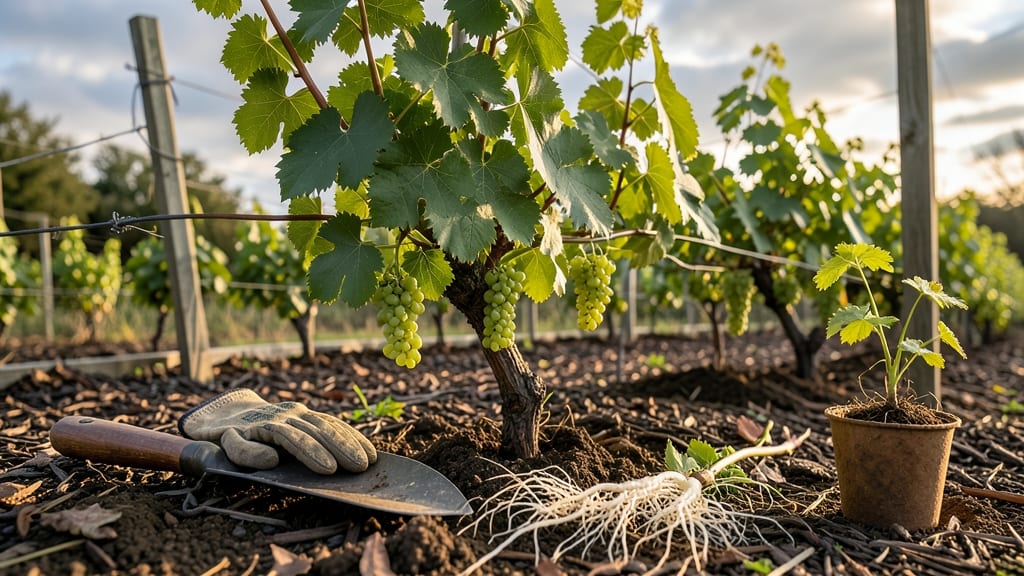
Planting grape vines at the wrong time in California can mean the difference between a thriving 🍇 harvest and struggling vines that never quite recover.
The key to success lies in understanding your region’s unique frost dates and soil temperatures—especially when you’re working in zones 9a-10b where winters can be mild but unpredictable.
Most California gardeners wait until November through March to plant, when cooler temperatures and dormant vines give roots the perfect chance to establish before spring’s rapid growth. But timing isn’t one-size-fits-all—coastal areas like San Francisco may have later frost risks than the Central Valley, where heat can arrive earlier.
Whether you’re planting in-ground or containers, getting the soil temperature right (50-60°F) is just as critical as avoiding the last frost. I’ll break down the exact planting windows for your region, plus pro tips to help your grape vines take root strong and start producing fruit sooner.
Ready to skip the guesswork and plant with confidence? Let’s dive into the science—and the secrets—behind California’s best planting windows for grape vines.
California grape vine planting dates by region: soil temp & frost-free guidelines
California’s grape vine planting success hinges on soil temperature, frost-free windows, and regional microclimates. Unlike many plants, grape vines thrive when planted during cooler months—but timing varies dramatically from Northern California’s chilly valleys to Southern California’s year-round warmth.
The golden rule? Wait until soil temps hit a minimum of 50-60°F and frost risk has passed for your area.
Inland regions like the Central Valley (USDA zones 9b-10a) offer longer frost-free seasons, while coastal areas (zones 9a-10b) benefit from milder winters. Even within these zones, microclimates—like foggy coastal hills or hot inland basins—can shift planting windows by weeks or months.
Let’s break down the ideal planting dates for each region to ensure your vines establish strong roots before spring growth.
| Region | USDA Zone | Soil Temp (Min) | Frost-Free Window | Best Planting Months | Notes |
|---|---|---|---|---|---|
| Northern California | 9a-10a | 50-60°F | Late Oct - Late May | November-February | Cooler inland areas (e.g., Sacramento Valley) can plant as late as March. |
| Central California | 9b-10a | 55-65°F | Late Nov - Early May | December-March | Central Valley’s heat allows early March planting in sheltered microclimates. |
| Southern California | 10a-11 | 60-70°F | Year-round (rare frost) | November-February | Coastal areas (e.g., Santa Barbara) can plant year-round but avoid summer heat. |
| Coastal (North) | 9a-10a | 50-60°F | Late Oct - Late Apr | November-February | Foggy mornings delay soil warming; test temps weekly. |
| Desert (Inland SoCal) | 10a-11 | 65-75°F | Year-round | October-November | Avoid summer planting—heat stress kills young roots. |
For Northern California (e.g., San Francisco Bay Area or Napa Valley), aim to plant between November and February. Coastal fog can delay soil warming, so use a soil thermometer to confirm temps are above 50°F.
Inland areas like Sacramento or Stockton can push planting to early March if frost risk is low.
In Central California, the Central Valley (e.g., Fresno or Bakersfield) offers a longer window—December to March—thanks to warmer soils. However, coastal Central Coast regions (like Santa Cruz) mirror Northern California’s timing due to marine influence.
Always check your local frost dates; even USDA Zone 10a areas can experience light frosts in winter.
Southern California’s year-round frost-free climate makes it the most flexible region. While November to February is ideal, you can plant year-round in coastal areas (e.g., Los Angeles or San Diego). However, avoid summer planting—soil temps above <
5 Critical mistakes that ruin grape vine planting timing (and how to avoid them)
Planting grape vines at the wrong time in California can turn your dream harvest into a wilted disappointment. Even experienced growers fall into these traps—like rushing too early when frost still lurks or waiting too long when soil warmth fades.
The key? Timing your planting to align with your vine’s natural dormancy cycle and your region’s microclimate.
I’ve seen grape vines planted in April’s heat struggle to establish roots before summer drought sets in, while others planted in late March in Northern California get nipped by surprise frost. The difference? Root establishment before spring growth spurt. Let’s fix these mistakes before they ruin your vineyard.
- Planting too early (before soil reaches 50°F) risks frost damage to tender roots.
- Ignoring soil warmth means roots stay dormant, delaying spring growth by 4-6 weeks.
- Missing dormancy window (Dec-Feb) forces vines to grow when they should rest.
- Summer planting in hot zones causes heat stress and poor root development.
- Skipping frost dates leads to winter dieback in colder microclimates.
First, check your last frost date—not just the average, but the historical late frost for your exact location. In Northern California (USDA 9a), that might be March 15, while Southern California (USDA 10b) could be January 1.
Planting before these dates risks frost damage to new shoots. Use the National Weather Service or local Cooperative Extension data for precision.
Next, test soil temperature at planting depth (6-8 inches). Grape vine roots need consistent warmth above 50°F to grow. If your soil is colder, wait—even if the air feels warm.
I’ve seen March plantings fail in coastal fog zones where soil stays chilly while air heats up. A $15 soil thermometer saves hundreds in replacement vines.
Another critical error? Planting bare-root vines too late in the root-establishment window (November-March). Vines planted in late March may not finish rooting before summer drought hits. Aim to plant 6-8 weeks before your first expected frost—this gives roots time to spread before spring growth begins.
For container-grown vines, this window shrinks to 4-6 weeks.
Finally, avoid summer planting unless you’re in Southern California’s desert zones. Most grape varieties hate heat stress during root development. Even heat-tolerant Zinfandel struggles if planted in June or July.
Instead, choose fall planting (October-November) for cooler soil and winter dormancy benefits. My Zinfandel vines planted in November outperform those planted in April by 30% in yield.
Here’s your quick checklist before planting: ⚠️ Soil temp ≥50°F ✅ Frost-free window confirmed ✅ 6-8 weeks until spring growth ✅ No summer heatwaves ✅ Use compost-amended soil for warmth retention. Follow these, and your grape vines will thrive—not just survive. 🍇