
Plants
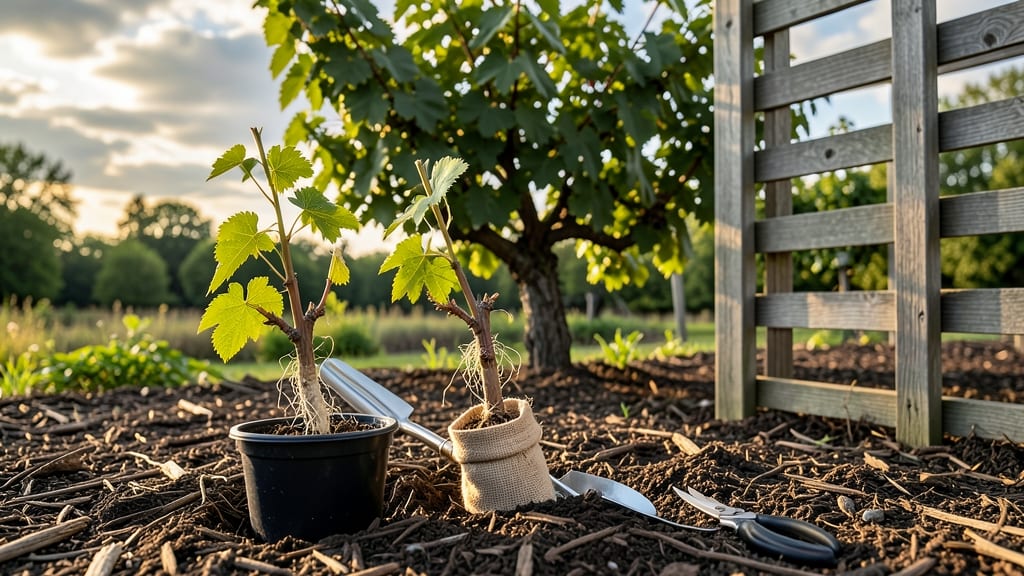
Planting grapes in California at the wrong time could mean the difference between a thriving 🍇 vineyard and a frost-killed experiment. The perfect window depends on soil warmth, frost risk, and whether you're in coastal San Diego or the Central Valley's heat.
Most gardeners know spring is the time to plant, but did you know soil temperature matters more than calendar dates? Young grapevines need the ground to stay above 55°F for at least two weeks before going in.
That's why coastal areas often wait until March or April while inland regions can start as early as February.
In this guide, I'll break down exactly when to plant in your specific region, how to use frost forecasts to your advantage, and which grape varieties thrive in California's diverse climates. Whether you're planting bare-root vines or container-grown plants, you'll learn the game-changing details that make all the difference.
Let's get your grapevines off to the best possible start—because timing isn't just about when you plant, it's about giving your vines the ideal conditions to grow strong from day one.
California grape planting windows by region: soil temperature & frost-free days guide
California’s three distinct grape-growing regions each demand different planting strategies. Northern California’s cooler coastal climates like Sonoma and Napa require precise timing, while the San Joaquin Valley’s inland heat allows longer windows.
Southern California’s Riverside and Temecula areas can even support fall plantings in some microclimates. The key? Soil temperature and frost-free days—not just calendar dates.
For all regions, wait until soil reaches 55°F+ consistently for at least two weeks. This threshold ensures roots establish before summer heat arrives. Wine grapes and table grapes share similar timing, but wine varieties often need 2-4 extra weeks to mature fully.
Coastal areas face higher frost risk, while inland zones can push planting 2-3 weeks later without frost concerns.
Here’s your region-specific planting guide, including frost-free countdowns and soil warmth targets to maximize success:
In Northern California, coastal areas like Sonoma and Napa often experience delayed soil warming due to marine layers.
Use a soil thermometer to confirm 55°F+ for two weeks—this typically aligns with mid-April to early May. Wine grapes like Cabernet Sauvignon need the full growing season, so plant 4-6 weeks earlier than table grapes if your area has a shorter frost-free period.
For the San Joaquin Valley, inland heat means soil warms faster, allowing plantings as early as late March. The valley’s 150+ frost-free days support both early-season varieties and late-ripening wine grapes. Drip irrigation helps maintain consistent soil moisture during California’s dry springs, preventing stress in young vines.
Southern California’s desert-adjacent regions like Riverside offer a unique advantage: fall planting. From October to November, soil stays warm enough for root establishment before winter rains arrive. Flame Seedless and Thompson Seedless table grapes thrive here, while Syrah benefits from the longer growing season.
Avoid planting in summer heat—vines struggle with temperature shocks when transitioning from heat to cooler fall nights.
Regardless of region, container-grown vines give you flexibility. You can plant 2-3 weeks later than bare-root vines because their roots are already established. For container grapes, choose 5-gallon pots and use well-draining soil to prevent root rot.
This method works especially well in urban areas where frost risk varies by microclimate.
Pro tip: Check the USDA Plant Hardiness Zone Map for your exact location—California spans zones 7b to 10a. Zone 7b (Northern CA) needs earlier plantings, while Zone 10a (Southern CA) can extend into fall.
Use local Cooperative Extension offices for hyper-local frost data—their records often predict last frost dates more accurately than national averages.
Remember: Soil temperature is your best friend when planting grapes. A cheap soil thermometer ($10) is worth its weight in healthy vines. Plant too early in cold soil, and roots won’t establish—plant too late, and summer heat can stress young vines before they’re ready.
Strike that balance, and you’ll be sipping homegrown wine (or snacking on fresh grapes) in no time!
How to use frost forecasts & soil thermometers to perfect your planting timing
Mastering the art of planting grapes in California starts with understanding frost forecasts and soil temperatures. While most gardeners focus on calendar dates, the real secret lies in these two factors working together.
A late frost can wipe out young vines in days, while cold soil slows root development—both are silent killers for grapevines. The key? Using science-backed tools to time your planting precisely.
First, check the NOAA frost forecast for your specific region. Coastal areas like Santa Barbara may have 30+ frost-free days by March, while inland valleys like Fresno could be frost-free by February.
Pair this with a digital soil thermometer to confirm when your soil stays above 55°F for two weeks straight. This combo ensures your grapevines get the warm start they need to thrive.
- Step 1: Monitor NOAA frost alerts 2 weeks before your target planting date. Look for the "last frost" probability dropping below 10%—this is your green light.
- Step 2: Bury a soil thermometer probe 4 inches deep (root zone level) and check daily. Aim for 55°F+ for 14+ days—this triggers root growth in grapevines.
- Step 3: Adjust planting dates by 2-3 weeks if soil temps lag behind forecasts. Early varieties (like Thompson Seedless) can handle slightly cooler soils, while late varieties (Cabernet Sauvignon) need warmer conditions.
For accurate soil readings, place your thermometer probe in morning sunlight but avoid direct midday heat, which can skew readings. If your soil thermometer shows below 50°F, delay planting—even if frost risk seems low.
Cold soil stresses young roots, making vines vulnerable to disease and poor establishment. Pro tip: Use a minimum-maximum thermometer to track daily fluctuations.
Don’t rely solely on calendar dates—California’s microclimates can vary by miles. For example, Napa Valley might be frost-free by March 15, while nearby Sacramento could still see frost until April 1.
Cross-reference NOAA data with local weather stations to fine-tune your timing. Container-grown grapes offer flexibility here, as you can move pots to warmer microclimates if needed.
Your 3-step pre-planting checklist should include:
- Confirming 10% or lower frost risk for 2 weeks post-planting
- Verifying soil temps above 55°F for 14+ days 3.
Preparing well-draining soil with compost (grapes hate soggy roots) Skipping any of these steps risks stunted growth or frost damage—neither is worth the risk for your grapevines.
Remember, even the best timing can’t overcome poor soil prep. Amend your planting area with compost and sand if your soil drains poorly—a common issue in California’s clay-heavy soils. Once planted, mulch heavily to maintain soil warmth and moisture.
With these tools and techniques, you’ll plant your grapes at the perfect moment—setting them up for a bountiful harvest. 🍇