
Plants
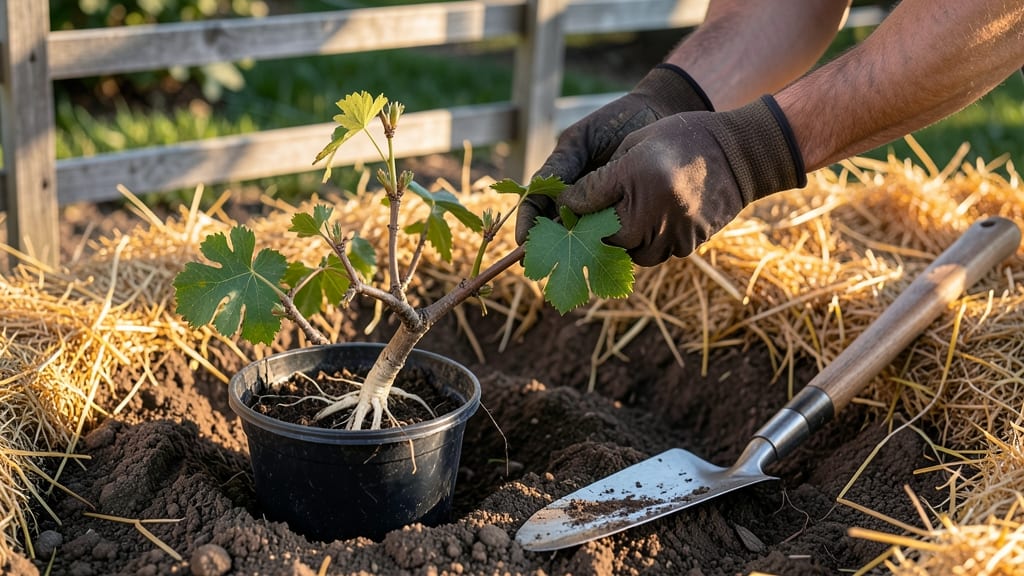
Planting grapes in Missouri isn’t just about grabbing a vine and sticking it in the ground—it’s about timing your move to beat the 5b-6b zone’s fickle frosts. One wrong week can mean the difference between a thriving 🍇 vineyard and a sad, frost-nipped failure.
I’ve seen gardeners rush planting only to watch their tender shoots blacken overnight, and trust me, you don’t want that heartbreak.
The key is knowing your last frost date—typically around April 15—and matching it to your grape variety. Cold-hardy types like Norton can handle a little chill, while softer varieties need warmer soil to take root.
Whether you’re in St. Louis or Kansas City, local microclimates can shift those deadlines by weeks, so let’s break down the exact windows that work for Missouri’s climate.
You’ll also discover how to stretch your planting season with simple tricks like row covers or soil warming, so you’re not stuck waiting for perfect conditions. Plus, I’ll share which Missouri-loved varieties (like Concord) are forgiving if you plant a little late—because even experienced growers sometimes misjudge the weather.
By the end, you’ll know exactly when to dig in your bare-root vines or container-grown plants for a harvest-ready crop by August. No more guessing—just a clear, frost-proof strategy tailored to your backyard.
Missouri’s frost-free planting windows by grape variety
Missouri’s USDA zones 5b-6b create a tight window for planting grapes, where late frosts can still strike after April 15. The difference between cold-hardy varieties like Norton and tender types like Chardonnay isn’t just about survival—it’s about how quickly they establish roots before summer heat sets in.
In northern Missouri (e.g., Kansas City), you’ve got about 2-3 weeks earlier to plant compared to southern regions like St. Louis, where urban heat islands can delay frost-free dates by a week.
Your microclimate matters: Rural areas with open fields may see frosts 10-14 days earlier than city neighborhoods with concrete and buildings trapping heat. Even within your backyard, a south-facing slope warms up faster than a north-facing dip.
I’ve seen gardeners in Columbia plant Concord grapes 2 weeks later than their neighbors in Sedalia—just because of elevation differences of 50 feet.
Here’s the non-negotiable rule: Plant bare-root vines as soon as the soil is workable (around 40°F) but before buds swell. Container-grown grapes can wait 2-3 weeks later since their roots are already established.
The goal? Get those roots 6-8 inches deep before the June heat kicks in—otherwise, your vine will struggle to recover.
Missouri’s last-frost averages vary wildly:
- Northern MO (Kansas City area): April 5-15
- Central MO (Columbia/Jefferson City): April 10-20
- Southern MO (St. Louis area): April 15-25
- Urban heat islands (St. Louis city): April 20-30
If you’re planting in St. Louis, aim for April 15-25—but watch for urban heat delays. The Missouri Botanical Garden’s frost data shows that city centers can stay 5-7°F warmer at night than rural areas, pushing back frost dates by 10 days.
For Kansas City, shoot for March 20-April 10; the Flint Hills region often sees frosts 2 weeks earlier than the city.
Pro tip: Use the National Weather Service’s frost prediction maps (updated weekly) to fine-tune your timing. I’ve used these to adjust planting dates 3
How to extend Missouri’s planting season for grapes
Missouri’s late spring frosts can derail even the best-laid grape planting plans. But with the right strategies, you can safely push your planting window by 2-4 weeks, giving tender vines the head start they need.
I’ve used these same techniques to extend my own Concord grape season in USDA Zone 6a, and the difference in vine establishment is dramatic.
Whether you’re dealing with a delayed last frost or just want to avoid the rush, methods like row covers and soil warming let you plant later without risking frost damage.
The key is matching your protection method to forecasted low temperatures—because a 28°F night requires different prep than a 32°F dip.
Forecasted Low | Protection Needed
32°F or above | None (safe for bare-root vines)
28-31°F | Row covers or mulch (2-3" thick)
24-27°F | Cold frame or black plastic mulch
Below 24°F | Emergency cover (burlap + frost cloth)
Note: Young vines (<1 year) are most vulnerable—prioritize protection for new plantings.
Start with black plastic mulch laid 2-3 weeks before planting to warm the soil. This simple trick raises soil temps by 5-10°F, helping roots establish faster in cooler springs.
I’ve seen it cut planting delays by nearly a month in my northern Missouri garden—just be sure to remove it after bud break to prevent overheating.
For actual planting extensions, floating row covers are my go-to. These lightweight fabrics (like Agribon) let sunlight through while trapping heat. You can plant up to 3 weeks later when using them, but remove covers once vines hit 6 inches tall to prevent heat stress.
Pair them with stakes to keep covers from crushing new shoots.
When forecasts warn of late frosts after planting, I rely on DIY frost blankets made from old bedsheets or burlap draped over vines. Secure them with bricks or stakes to create an air pocket—this can raise temps by 5-8°F.
For extreme cold (<24°F), add a clear plastic sheet over the top (remove by midday to avoid overheating).
Don’t overlook microclimates—south-facing slopes or urban heat islands can push your effective planting window by 1-2 weeks. I’ve planted Frontenac grapes in my St. Louis backyard a full week later than my rural neighbors simply because the brick wall behind my trellis traps heat.
Use a minimum thermometer for 3 nights to confirm your local frost risk.
Finally, time your watering schedule to support late plantings. Water deeply 2-3 days before a frost event—moist soil retains heat better than dry soil. And if you’re pushing the envelope, consider container-grown vines, which establish faster than bare-root stock and tolerate slightly later transplanting.
With these tricks, you’ll turn Missouri’s unpredictable spring into a grape-growing advantage. 🍇