
Plants
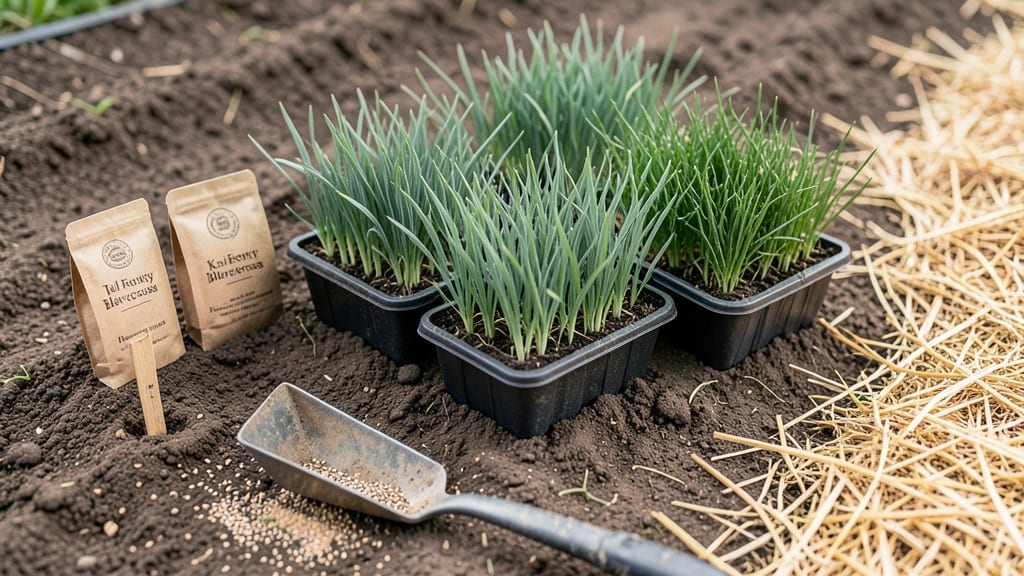
Planting grass seed in the fall is your secret weapon for a thick, green lawn next spring—but timing it wrong can mean wasted effort. Cool-season grasses like Kentucky bluegrass and fescue thrive when planted 4-6 weeks before frost, giving roots time to establish before winter sets in.
Why fall? Cooler temperatures and reduced weed competition create the perfect conditions for germination. In Zone 6a, that means aiming for late September to early October, when soil stays warm enough to support growth but won’t bake seedlings like summer heat.
Skip this window, and you risk weak roots or frost damage before spring.
I’ve learned the hard way that rushing or waiting too long can turn your lawn project into a gamble. The key is preparing your soil, choosing the right seed blend, and keeping moisture consistent—without overwatering.
Let’s break down the exact steps to set your grass up for success before the first frost hits.
From regional planting windows to avoiding common mistakes, this guide will help you plant with confidence. Whether you’re seeding a new yard or overseeding an existing one, these tips will save you time, money, and frustration. Ready to grow a lawn that stands up to winter? Let’s get started.
Best fall planting windows for grass seed by climate zone
Fall is the perfect time to plant grass seed because cooler temperatures and reduced weed competition give seedlings a fighting chance. But timing varies dramatically by climate zone—plant too early, and summer heat will stress young grass; too late, and winter frost may halt growth before roots establish.
Let’s break down the ideal fall planting windows for your region to ensure a thick, resilient lawn next spring.
Most cool-season grasses (like tall fescue, Kentucky bluegrass, and ryegrass) thrive when planted 4-6 weeks before your area’s first hard frost.
This window allows seedlings to germinate, develop roots, and harden off before winter dormancy. Warm-season grasses (like Bermuda or Zoysia) should be planted in early spring—fall planting is risky for these types.
Your USDA Hardiness Zone determines the exact planting dates. Northern regions (Zones 3-5) have shorter growing seasons, while Southern zones (7-10) can plant later. Transition zones (6-6b) fall somewhere in between. Here’s how to align your planting with your climate for maximum success.
| Climate Zone | Ideal Planting Window | Soil Temperature | First Frost Date | Key Consideration |
|---|---|---|---|---|
| Northern (Zones 3-5) | Late August to mid-September | 50-65°F | Mid-October to November 15 | Short growing season; prioritize early planting |
| Transition (Zones 6-6b) | Mid-September to early October | 55-70°F | Late October to November 1 | Balanced window; avoid late planting |
| Southern (Zones 7-10) | Early September to mid-October | 60-75°F | November 15 to December 15 | Longer season; plant later but avoid frost |
| Coastal/Mild (Zones 8-10) | October to early November | 65-80°F | December 15+ | Minimal frost risk; extend window |
For Northern climates (Zones 3-5), aim to plant by mid-September to give seedlings time to establish before the ground freezes. Soil temperatures should be between 50-65°F—use a soil thermometer to check. If your area has an early frost, opt for fast-germinating varieties like perennial ryegrass.
In Transition Zones (6-6b), you’ve got a bit more flexibility. Planting in late September ensures roots develop before winter, while still avoiding summer’s extreme heat. Monitor local frost forecasts—if frost is predicted within 4-6 weeks, it’s time to plant.
Southern climates (Zones 7-10) can plant later, but avoid late November to prevent frost damage. Coastal areas with mild winters (Zones 8-10) can even plant into early December, but prioritize soil temperature over calendar dates—seedlings won’t germinate well in cold soil.
Pro tip: Check your local extension service for precise frost dates—microclimates (like valleys or urban heat islands) can shift planting windows by 1-2 weeks. Also, test your soil before planting; cool-season grasses prefer a pH of 6.0-7.0.
If your soil is too acidic, amend it with lime 4-6 weeks before planting.
Once you’ve planted, water deeply 2-3 times per week to keep the top 2 inches of soil moist. Avoid walking on new seedlings, and consider a light mulch (like straw) to retain moisture and insulate roots.
With the right timing, your grass will overwinter strong and explode with growth next spring.
Remember: Fall planting isn’t just about dates—it’s about giving your grass the best chance to establish roots before winter. Follow your zone’s guidelines, prep your soil, and watch your lawn transform into a thick, green carpet by next summer. 🌱
How to prepare soil and seed for fall planting success
Fall is the perfect time to plant grass seed because cooler temperatures and reduced weed competition give seedlings a fighting chance. But before you scatter seeds, your soil and seed selection need careful prep. Skipping this step can lead to poor germination or weak grass that struggles through winter.
Let’s break down the essential prep work to ensure your lawn thrives.
Start by testing your soil pH—most grass types prefer a slightly acidic to neutral range (6.0 to 7.0). If your soil is too alkaline or acidic, adjust it with lime or sulfur before planting. Soil aeration is another critical step, especially for compacted lawns.
Use a core aerator to create small holes, allowing roots to access oxygen, water, and nutrients more easily.
Step-by-Step Prep Checklist
- 🌱 Test Soil pH (aim for 6.0–7.0) using a home kit or lab test.
- 💧 Aerate Compacted Soil with a core aerator, especially if foot traffic is heavy.
- ✂️ Mow Existing Grass Short (1–1.5 inches) to reduce competition and improve seed-to-soil contact.
- 🌿 Choose Cool-Season Seed (e.g., Kentucky Bluegrass, Fescue, Ryegrass) for fall planting.
- 🪴 Apply Starter Fertilizer with a low nitrogen ratio (e.g., 10-10-10) to encourage root growth.
- 💧 Water Lightly After Planting to keep soil moist but avoid oversaturation.
- 🌡️ Monitor Soil Temperature—ideal range is 60–75°F for germination.
Next, select the right grass seed type for your climate. Cool-season grasses like Kentucky Bluegrass and Tall Fescue thrive in fall planting, while warm-season types (e.g., Bermuda, Zoysia) should be planted in spring or early summer.
Mixing seed varieties can also improve lawn density and resilience. After choosing your seed, spread a starter fertilizer lightly over the soil to provide essential nutrients without burning seedlings.
Once your soil is prepped and seeds are selected, it’s time to plant. Scatter seeds evenly over the aerated soil, then lightly rake to ensure good seed-to-soil contact.
A thin layer of straw mulch can help retain moisture and protect seeds from birds or harsh winds. Water gently but frequently—keep the top inch of soil moist for the first 2–3 weeks, then gradually reduce watering as roots establish.
After planting, avoid walking on the lawn to prevent disturbing seedlings. If weeds sprout, remove them by hand or spot-treat with a pre-emergent herbicide designed for new lawns. First mowing should happen when grass reaches 3–4 inches tall, using a sharp mower blade to avoid tearing blades.
This encourages deeper root growth and a thicker lawn by spring.
With these steps, your grass will develop strong roots before winter dormancy, giving you a lush, green lawn that outcompetes weeds and resists disease. Fall planting is your secret weapon for a low-maintenance, high-impact lawn—just don’t wait too long! 🌿