
Plants
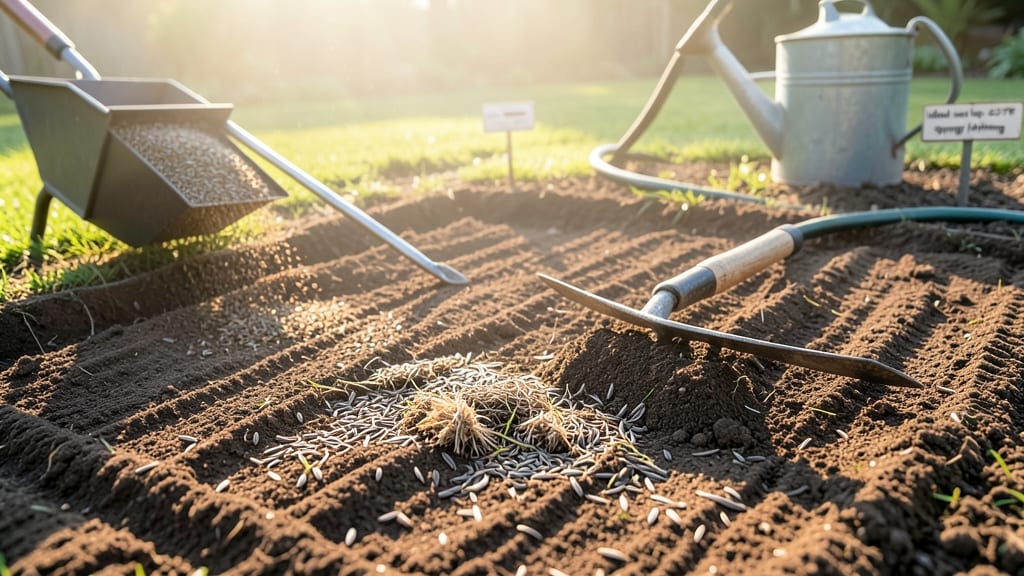
Planting grass seed in Georgia at the wrong time can turn your lush lawn dreams into a frustrating battle with weeds and heat stress. The best window to plant is narrow—miss it, and you’ll spend next summer patching bare spots instead of enjoying your yard.
Georgia’s 7a-8b climate means cool-season grasses like tall fescue thrive when soil temperatures hover between 60-75°F. That’s why early fall (September-October) and early spring (March-April) are your golden opportunities—before summer’s brutal heat or winter’s frost set in.
I’ve seen firsthand how a well-timed planting can mean the difference between a thick, green lawn and one that struggles to take hold. Let’s break down exactly when to plant, what to avoid, and how to set your grass up for success in Georgia’s unique conditions.
From soil prep to watering schedules, I’ll share the critical steps that separate a good lawn from a great one. Ready to stop guessing and start growing? Let’s get started.
Georgia’s ideal grass seed planting windows: cool-season vs. warm-season timing
Georgia’s climate throws curveballs—humid summers, unpredictable frosts, and soil that shifts from baking hot to freezing overnight.
To grow a thriving lawn, timing is everything. Cool-season grasses like tall fescue and ryegrass love Georgia’s mild fall and spring temperatures, while warm-season grasses such as Bermuda and Zoysia crave summer’s heat.
Plant at the wrong time, and you’ll waste seed on weeds or watch your new grass wilt under stress.
North Georgia’s cooler microclimate (USDA zones 7a-7b) gives you a slightly longer window for cool-season planting, while South Georgia’s hotter zones 8a-8b push warm-season grasses into overdrive. The key? Soil temperature matters more than air temperature—aim for 60-75°F for germination, whether you’re seeding in March or September.
Miss this range, and your seeds may rot or dry out before sprouting.
Pro Tip: Use a soil thermometer ($10 at garden centers) to check depth—2 inches down is where seeds will be. If it’s below 55°F, wait; if it’s above 80°F, delay until cooler evenings return. This small step saves weeks of frustration and dollar signs on replanting.
| Season | Best Months | Ideal Soil Temp (°F) | Grass Types | Regional Notes |
|---|---|---|---|---|
| Cool-Season | March–April September–October |
60–75°F | Tall Fescue Ryegrass Fine Fescue |
North GA: Start late March to avoid frost. South GA: September 15–October 15 for best results. |
| Warm-Season | May–June August (overseding) |
75–85°F | Bermuda Zoysia Centipede |
South GA: May planting thrives; North GA waits until late May to escape frost. |
| ⚠️ Avoid These Times: | ||||
| Late Spring | June–July | >85°F | All types | Seeds dry out before sprouting; weeds take over. |
| Winter | December–February | <50°F | Cool-season only | Frost kills seeds or delays germination until spring. |
Spring planting in Georgia is a race against time. By mid-April, South Georgia’s heat can push soil temps into the 80s°F, stressing cool-season grasses.
For North Georgia, aim for late March to early April when nights stay cool. Pro Move: Start seeds indoors in late February for a head start, then transplant once soil warms. This trick adds 2-3 weeks of growth before summer’s heat peaks.
Fall is often the sweet spot for Georgia lawns. September and October offer perfect soil temps (65-75°F) and lower humidity, reducing fungal risks. South Georgia can push planting into early November, while North Georgia should wrap up by October 15 to avoid early frosts. Bermuda and Zoysia can handle light frosts, but tall fescue will struggle if temps drop below 30°F before establishing roots.
Don’t let Georgia’s microclimates fool you. Even within 50 miles, your neighbor’s lawn might thrive while yours struggles. Check local frost dates (use the NOAA frost calculator) and adjust by 1-2 weeks.
For example, Athens (Zone 8a) can plant 2 weeks later than Dalton (Zone 7a). Shade patterns matter too—south-facing yards heat up faster, so plant 1 week earlier than north-facing areas.
If you must plant outside the ideal window, overshadowing can help. Use shade cloth (30-50%) to protect seeds from midday sun in late spring or row covers to insulate seeds from early fall frosts. Water deeply twice daily (morning and evening) to maintain moisture.
Just remember: extreme conditions will always outpace these fixes, so timing is non-negotiable for long-term success.
One common mistake Georgia gardeners make? Planting warm-season grass in spring and expecting instant results. Bermuda grass, for example, won’t germinate until
How to prepare your Georgia lawn for fall planting: soil, seed, and success checklist
Fall is the perfect time to plant grass seed in Georgia, when temperatures cool and humidity drops—ideal conditions for seed germination. But before you spread that seed, your lawn needs the right prep to avoid wasted effort.
Georgia’s clay-heavy soil and humid climate demand special attention to pH, weed control, and moisture management. Skipping these steps can leave you with patchy growth or weed invasions.
Your success starts with soil testing. Georgia lawns often suffer from low pH (acidity) or nutrient deficiencies, especially in urban areas where soil gets compacted.
A simple soil test kit (available at garden centers) will tell you if your lawn needs lime to raise pH or compost to boost organic matter. Aim for a pH between 6.0 and 7.0—this is the sweet spot for most grass types.
📋 Fall Grass Seed Prep Checklist for Georgia
- ✅ Test soil pH (aim for 6.0–7.0) and amend with lime or compost if needed.
- ✅ Choose seed type: Tall fescue for shade, Bermuda for heat tolerance, or ryegrass for quick cover.
- ✅ Kill weeds with pre-emergent herbicide 2 weeks before planting or hand-pull stubborn weeds.
- ✅ Loosen soil with a rake or aerator to improve seed-to-soil contact and water absorption.
- ✅ Spread seed evenly (use a broadcast spreader) and lightly cover with ¼-inch soil.
- ✅ Water lightly twice daily for 10–15 minutes until germination (7–14 days), then deep water 1–2x/week.
Next, pick the right grass seed for your yard’s conditions. Tall fescue thrives in Georgia’s shady spots and handles foot traffic well, while Bermuda grass dominates in full sun and stays green through summer.
For quick cover, annual ryegrass germinates fast but fades in heat—mix it with a perennial seed for long-term results.
Weeds are your biggest enemy before seeds even sprout. Apply a pre-emergent herbicide (like corn gluten meal) 2 weeks before planting to block weed seeds from germinating. For existing weeds, spot-treat with vinegar or pull them by hand—just avoid herbicides with pre-emergent if you plan to overseed later.
A clean slate ensures your new grass gets the nutrients it needs.
Watering is where many Georgia gardeners go wrong. After planting, keep the soil consistently moist (not soggy) by watering lightly twice daily for 10–15 minutes until germination. Once sprouts appear, switch to deep watering 1–2 times per week—early morning is best to reduce fungal risks.
Overwatering can drown seeds, while underwatering stresses them in Georgia’s humid heat.
With these steps, your Georgia lawn will establish a dense root system before winter, giving it a head start for spring. The key is patience and consistency—skip shortcuts, and you’ll avoid the common pitfalls that leave lawns thin and weed-prone.
Soon, you’ll have a thick, green carpet that outshines your neighbors’! 🌱