
Plants
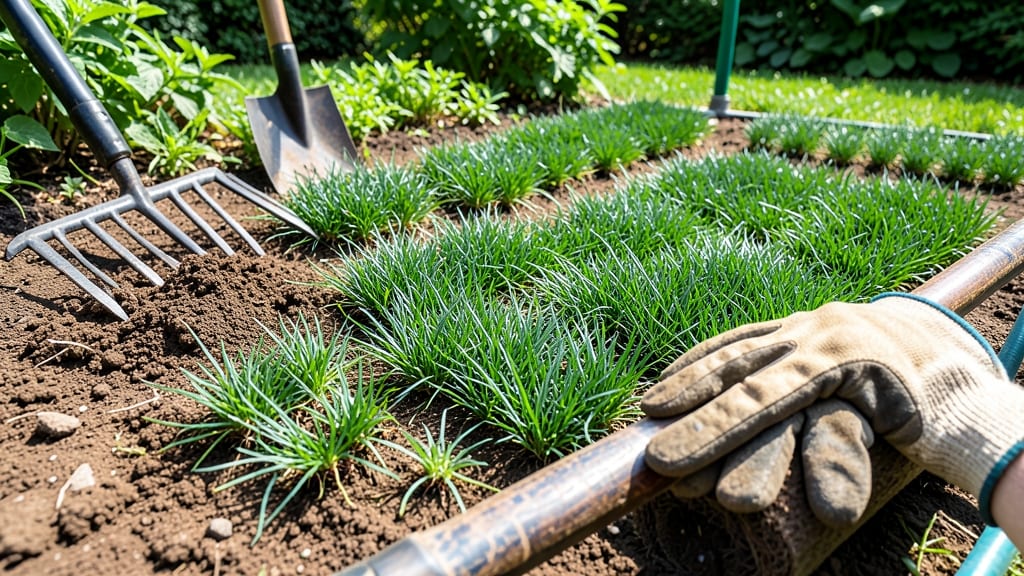
Planting Bermuda grass at the wrong time in California can mean the difference between a lush, drought-resistant lawn and months of slow, frustrating growth—or worse, failure. But timing isn’t one-size-fits-all: coastal fog belts, Central Valley heat, and desert-adjacent regions all demand different strategies.
If you're dreaming of a vibrant 🌱 Bermuda Grass lawn, knowing the best months to plant in your specific microclimate is the key to success.
In most of California’s 9a-11 zones, early spring (March-April) or late summer (August-September) are the sweet spots for planting. However, coastal areas like San Diego might benefit from slightly earlier planting, while desert regions like Palm Springs should wait until soil warms up.
The goal? Plant when soil temperatures hit 65°F—that’s when your grass will sprout fast and establish strong roots.
Why does timing matter so much? Bermuda grass thrives in heat but struggles with cold, wet soil. Plant too early, and you risk fungal diseases or slow germination. Too late, and your lawn might not fill in before summer’s peak.
I’ll break down the best months for each California microclimate, so you can avoid these pitfalls and get a head start on a lawn that’s the envy of the neighborhood.
Ready to transform your yard? Let’s dive into the exact planting windows, soil prep tips, and care strategies tailored to your corner of California. Your perfect lawn starts with the right timing—and I’ve got you covered.
Optimal planting months for California’s 5 key microclimates (with temperature zones)
California’s diverse climate means Bermuda grass thrives in some regions but struggles in others. Coastal areas with mild winters and high humidity have different planting windows than desert zones where summer heat dominates. Understanding your microclimate is key to avoiding slow germination or complete failure.
Bermuda grass needs soil temperatures of at least 65°F (18°C) to germinate properly. Most California regions hit this threshold in late spring, but desert areas often reach it earlier in the year. Let’s break down the best planting months for each of California’s 5 key microclimates.
The Central Valley and Coastal regions offer the most forgiving windows for planting Bermuda grass, with March–May being ideal. These areas benefit from consistent temperatures and moderate humidity, reducing stress on young seedlings.
However, desert zones like the Coachella Valley require planting as early as February to avoid the brutal summer heat.
For foothill regions, where nights remain cooler, extending planting into late May can help seedlings establish before summer heat arrives. Meanwhile, the Sierra Nevada presents unique challenges due to its high elevation and shorter growing season.
Planting here should wait until June or July when soil temperatures reliably stay above 70°F (21°C).
One common mistake is planting Bermuda grass too late in the season. In desert climates, waiting until April means battling 100°F+ temperatures by June, which can stress seedlings.
Similarly, coastal fog belts may experience delayed warming, so patience is key—don’t rush planting if soil temps haven’t reached 65°F (18°C).
If you’re in a transition zone (like parts of Southern California near the desert edge), consider late summer planting in August–September. This allows seedlings to establish roots before winter rains arrive, reducing erosion risks. Just be prepared for intense afternoon sun and increased watering needs during establishment.
Pro tip: Use a soil thermometer to confirm temperatures before planting. Many nurseries sell them for under $15, and they’re worth the investment to avoid costly mistakes. Aim for consistent readings above 65°F (18°C) for at least 7–10 days before sowing seeds or laying sod.
Finally, remember that Bermuda grass is aggressive and spreads quickly once established. In cooler microclimates, like the Sierra Nevada, choose drought-tolerant varieties (e.g., ‘Tifway 419’) to handle limited water availability. In warmer zones, prioritize shade tolerance if your lawn has partial shade areas.
Timing your planting right isn’t just about the calendar—it’s about understanding your local microclimate and preparing your soil accordingly. With the right approach, you’ll have a lush, low-maintenance lawn in no time. 🌱
How to prepare your California soil for Bermuda grass success (pre-planting checklist)
Bermuda grass thrives in California’s warm climate, but only if your soil meets its three key needs: proper drainage, a slightly acidic pH, and rich organic matter.
Skipping soil prep can lead to poor germination or stunted growth, even with the right planting time. Let’s fix that with a region-specific checklist to ensure your lawn starts strong.
First, test your soil pH—Bermuda grass prefers a 6.0–7.0 range. Coastal areas often have higher pH due to salt deposits, while inland soils may be too acidic.
Use a home test kit or send a sample to your local UCCE extension office for precise results. Adjusting pH now saves headaches later.
⚠️ callout-warning ⚠️
Bermuda grass seeds won’t germinate below 65°F soil temp. In coastal regions, wait until April–May when mornings stay above 55°F. Inland areas can start as early as March, but avoid waterlogged soil—it causes seed rot and fungal diseases. Always check soil moisture by squeezing a handful: if it forms a tight ball, drainage is poor.
Next, focus on drainage. California’s clay-heavy soils (common in the Central Valley) and sandy desert soils (like in the Coachella Valley) both need amendments. For clay, mix in 3–4 inches of compost and coarse sand to loosen compaction.
For sandy soils, add peat moss or coconut coir to retain moisture.
Don’t overlook organic matter. Spread 2–3 inches of compost across your lawn area and till it into the top 6 inches of soil. For faster results, add mycorrhizal fungi—these beneficial microbes boost root growth by 30–50%.
Work them into the soil before planting to help Bermuda grass establish deeper roots, which means better drought resistance later.
Finally, level the soil surface to prevent water pooling or uneven growth. Use a rake or garden level to create a smooth, slightly sloped surface (about 1/4 inch per foot) to encourage water runoff.
Compact the soil lightly with a roller or foot traffic to ensure good seed-to-soil contact.
With your soil prepped, Bermuda grass will sprout in 7–14 days (faster in warm, inland areas). Keep the soil consistently moist but not soggy during germination, and avoid walking on new seedlings to prevent damage. Your drought-resistant lawn is one step closer!