
Plants
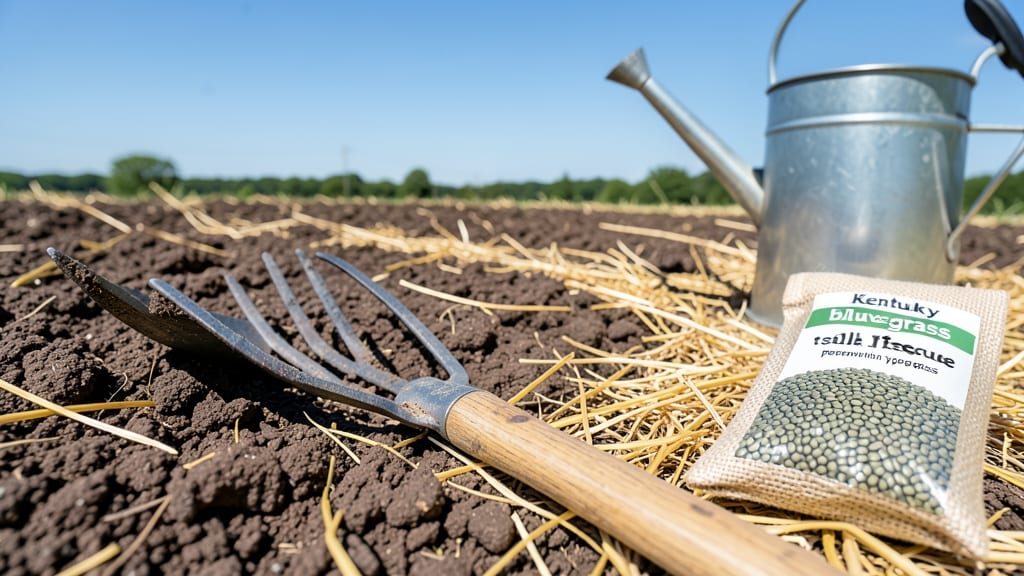
When is the best time to plant grass seed in Illinois? Timing your grass (turfgrass) seeding could mean the difference between a lush, green lawn and months of frustration. Planting too early or too late risks poor germination, weed competition, and wasted seed—especially in zones 5-6 where frost dates swing dramatically.
Most gardeners assume spring is the only window, but fall actually offers a better chance for success in Illinois. The key lies in understanding soil temperatures, frost patterns, and how your grass type responds to seasonal shifts.
I’ll break down the ideal months for cool-season vs. warm-season grasses, plus soil prep tricks to give your seed the best shot. Whether you’re seeding in March or September, these insights will help you avoid common pitfalls.
Ready to transform your patchy lawn into a vibrant carpet? Let’s dive into the science—and save you from costly mistakes.
Spring vs fall planting in Illinois: which season wins for grass seed success?
Deciding between spring and fall planting for your Illinois lawn can feel overwhelming. Both seasons offer distinct advantages, but understanding soil temperatures, weather patterns, and grass types makes all the difference. Illinois’ climate—with its USDA Zones 5-6—creates unique challenges and opportunities for seeding success.
Cool-season grasses like Kentucky bluegrass and tall fescue dominate Illinois lawns, thriving in 50-65°F soil temps. These varieties establish best when planted in early fall or late spring, while warm-season grasses like Bermuda prefer late spring planting.
Let’s break down which season wins based on your region and grass type.
| Factor | Spring Planting | Fall Planting |
|---|---|---|
| Best Months | April-May (after last frost) | September-October (4-6 weeks before first frost) |
| Soil Temperature | 55-65°F (ideal for germination) | 50-60°F (cooler temps reduce stress) |
| Weather Risks | Drought, weeds, heat stress | Early frost, wet conditions |
| Establishment Time | 6-8 weeks (summer stress slows growth) | 4-6 weeks (cooler temps speed root growth) |
| Best For | Warm-season grasses (Bermuda, Zoysia) | Cool-season grasses (Kentucky bluegrass, Fescue) |
| Northern IL (Zone 5) | May (after frost risk passes) | Mid-September (earlier frost) |
| Southern IL (Zone 6) | April (sooner frost-free) | Late September (longer growing season) |
For Northern Illinois (Zone 5), fall planting often wins due to earlier frost dates. Planting in mid-September gives grass time to establish before winter, while spring planting in May avoids late frost risks.
Southern Illinois (Zone 6) enjoys a longer growing season, making late spring or early fall both viable options.
Fall planting is my top recommendation for cool-season grasses because cooler temps reduce weed competition and water stress. The 4-6 week window before frost allows roots to strengthen without summer heat. Plus, fall-seeded lawns often outperform spring plantings by 30-50% in density.
Spring planting, however, offers a second chance if you missed fall. The key is to seed after the last frost (typically mid-April in Northern IL, early April in Southern IL) and prepare for aggressive weed control.
Warm-season grasses like Bermuda thrive in spring’s heat, but they require consistent moisture to avoid drought stress.
Soil moisture is critical in both seasons. Illinois’ spring rains can make watering easier, but summer droughts often follow. Fall planting benefits from steady rainfall and cooler evaporation rates, reducing your watering workload. Test your soil’s moisture retention before planting—aim for 1-1.5 inches of water per week during establishment.
Don’t overlook soil preparation in either season. Loosen the top 4-6 inches of soil, remove debris, and apply a starter fertilizer with high phosphorus (10-20-10 ratio) to boost root growth.
In spring, add compost to replenish nutrients lost over winter, while fall prep focuses on aeration to improve drainage before winter.
Regional microclimates matter too. Urban areas like Chicago experience urban heat islands, delaying spring frosts by 1-2 weeks compared to rural zones. Adjust your planting timeline by 10-14 days if you’re in a city. Use local cooperative extension service frost data for precise timing.
My final advice? If you’re planting cool-season grasses, fall wins—it’s the gold standard for Illinois lawns. For warm-season grasses or missed opportunities, late spring is your backup. Either way, prioritize soil health, consistent watering, and patient establishment for a lawn that stays lush year-round. 🌱
Critical timing windows for Illinois grass seed planting (by month)
Illinois’ two best seasons for grass seed planting are early spring and fall, but the exact timing depends on your USDA Zone (5-6) and local frost dates. Northern Illinois (Zone 5) has a shorter growing window than Southern Illinois (Zone 6), so adjust accordingly.
The key is planting when soil temperatures are 50-65°F (10-18°C)—too hot or cold delays germination.
Spring planting kicks off in March-April, while fall offers a second chance in September-October. Missing these windows can lead to poor germination or weed competition. Let’s break down the best month-by-month strategy for your region.
Northern Illinois (Zone 5) should aim for April 15-May 1 in spring and September 15-October 10 in fall. Southern Illinois (Zone 6) has a 2-week later window due to warmer soils. Always check your local frost dates—planting too late in fall risks winter kill, while spring planting too early risks frost damage.
For warm-season grasses (like Bermuda or Zoysia), the window shifts to late spring (May-June) when soil temps hit 70°F+. These grasses thrive in summer heat but struggle in Illinois’ winters, so they’re less common for full lawns but great for sunny patches.
Pro tip: Use a soil thermometer to confirm temps—50°F is the magic number for cool-season grass germination. If your soil runs hotter, wait or use shade cloth to cool it down. Consistent moisture is your best friend during these critical weeks!