
Plants
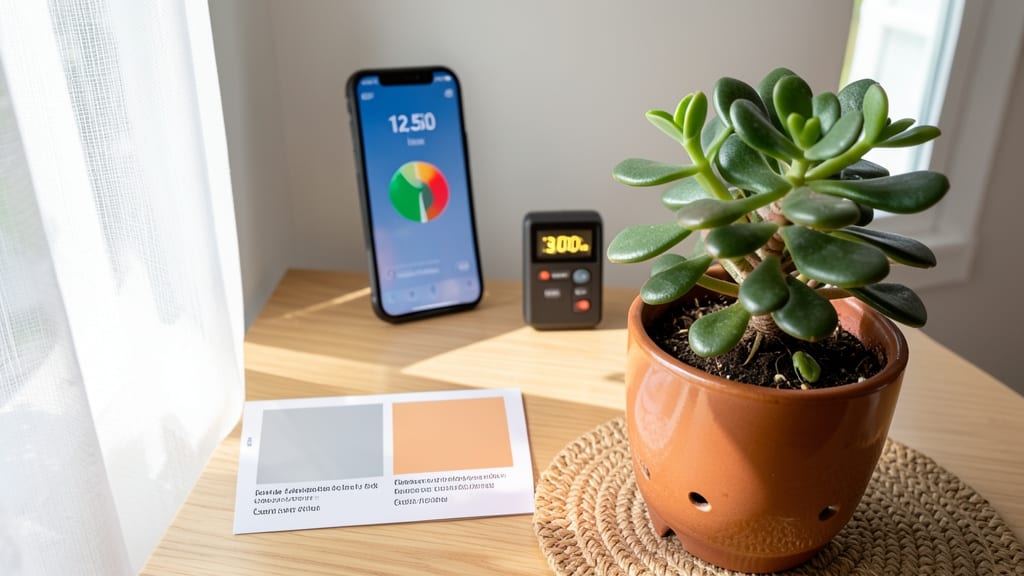
To keep your Jade Plant 🌿 thriving, you might be surprised to learn that how much light does a jade plant require is the single most critical factor—more important than watering or soil type.
Too little sunlight and your plant stretches awkwardly toward the window, while too much can scorch its plump leaves, leaving you scratching your head over what went wrong.
Jade Plants are native to sunny South African cliffs, so they crave bright, indirect light for 4-6 hours daily. That means a south-facing window is ideal, but direct midday sun in summer can be too intense.
The key is finding that sweet spot where your plant gets enough light to stay compact and vibrant without turning crispy at the edges.
Whether you're dealing with a leggy indoor plant or an outdoor Jade Plant struggling in harsh afternoon rays, I’ll break down exactly how much light your plant needs—and how to adjust it season by season. You’ll learn to spot the subtle signs of light stress before they become permanent damage.
Let’s dive into the science behind Jade Plant sunlight needs, so you can give your plant the perfect light conditions for years of healthy, bushy growth—no guesswork required.

Jade plant light requirements: the ideal sunlight balance for healthy growth
Jade plants (Crassula ovata) thrive in conditions that mimic their natural arid South African habitat, where they receive bright, filtered sunlight with occasional direct rays. Unlike many houseplants, they don’t just tolerate light—they need it to photosynthesize efficiently.
Without enough light, their growth slows dramatically, and their leaves stretch out in search of sunlight, a condition called etiolation. But too much harsh midday sun can scorch their succulent leaves, leaving crispy brown edges.
Understanding the ideal light spectrum for jade plants is key. These plants perform best with 4-6 hours of bright indirect light daily, supplemented by 2-4 hours of morning or late afternoon sun. This balance ensures they get enough photosynthetically active radiation (PAR) without overheating.
In scientific terms, jade plants have a C3 photosynthetic pathway, which means they’re efficient at converting light into energy—but only up to a point.
For indoor jade plants, the best spot is near a south-facing window, where they can bask in gentle sunlight for most of the day.
If your home lacks natural light, LED grow lights (10,000-12,000 Kelvin) placed 6-12 inches above the plant for 12-14 hours daily can mimic ideal conditions. These lights provide the blue and red spectrums jade plants need for robust growth, similar to natural sunlight.
Seasonal adjustments are crucial, especially in summer vs. winter. During peak summer months (June-August), jade plants can handle 2-3 hours of direct morning sun but should be moved to indirect light by noon to avoid sunburn.
In winter, when daylight is shorter, supplement with a grow light for 4-6 hours to maintain their energy levels. This seasonal tweaking prevents light stress and keeps their leaves vibrant.
One common mistake is assuming all succulents tolerate full sun. While jade plants are drought-tolerant, their thick leaves store water but also reflect light, which can concentrate heat. Over time, excessive direct sun causes leaf bleaching or crispy edges.
To test if your jade plant is getting too much sun, check for white or yellow patches on leaves—these are early signs of sunburn.
On the flip side, insufficient light leads to etiolation, where stems elongate and leaves become sparse. This happens because the plant stretches toward any available light source, weakening its structure.
If you notice your jade plant developing long, leggy stems with small leaves, it’s a clear sign to move it to a brighter location or increase artificial lighting. Rotate the pot quarter-turns weekly to ensure even growth and prevent lopsided development.
Scientifically, jade plants optimize photosynthesis at light intensities between 1,000-3,000 foot-candles. Most south-facing windows provide 2,500-5,000 foot-candles, which is perfect, while north-facing windows typically offer only 500-1,000 foot-candles, often too little.
If you’re unsure about your space’s light levels, use a light meter app to measure and adjust accordingly. Aim for the sweet spot of 2,000-3,000 foot-candles for healthy growth.
Outdoor jade plants also need careful placement. In USDA Zone 6a, where winters can drop below freezing, bring potted jade plants indoors before the first frost (mid-October). If left outside, protect them with mulch or a frost cloth during cold snaps.
In warmer climates (Zones 9-11), they can stay outdoors year-round but should be placed in partial shade during summer afternoons to prevent heat stress.
To summarize, jade plants are light-hungry succulents that thrive with bright indirect light and short bursts of direct sun. Monitor their leaves for color changes—deep green means happy, while yellow or red hues signal stress.
With the right light balance, your jade plant will reward you with thick, glossy leaves and compact, bushy growth for years to come. 🌱☀️
How to adjust light for jade plants in different locations (indoor vs outdoor)
Jade plants (Crassula ovata) thrive with bright indirect light but can handle some direct sun—if you adjust their placement carefully. Indoor spots like south-facing windows provide perfect morning light, while outdoor patios need afternoon shade in hot climates.
The key is balancing 4-6 hours of daily light without scorching those thick, succulent leaves.
Indoor grow lights are a game-changer for north-facing rooms or winter months when sunlight fades early. LED grow lights (5000-6500K) mimic natural light spectra, while fluorescent bulbs work for supplemental light.
Outdoor jade plants, however, need protection from intense afternoon rays to avoid sunburned leaf tips—a common mistake even experienced gardeners make.
Here’s how different light sources compare for your jade plant’s needs, including placement tips and rotation schedules to prevent lopsided growth:
| Light Source | Daily Light Hours | Best Placement | Rotation Needs |
|---|---|---|---|
| South-Facing Window | 4-6 hours (morning sun) | 3-5 feet from glass | Rotate weekly to prevent leaning |
| LED Grow Lights | 6-8 hours (12" above plant) | North-facing rooms or basements | Rotate every 2-3 days for even growth |
| Outdoor Patio (Partial Shade) | 4-5 hours (morning + filtered afternoon) | Under 30% shade cloth or near a building | Rotate monthly for balanced exposure |
| Balcony (Full Sun) | 2-3 hours (early morning only) | East-facing with afternoon shade | Acclimate slowly to avoid sunburn |
For indoor jade plants, I recommend placing them on a south-facing windowsill where they’ll get bright morning light without the harsh afternoon sun. If your home lacks natural light, LED grow lights on a timer (12-14 hours/day) can replicate sunlight perfectly.
Just ensure the light stays 12-18 inches above the leaves to avoid heat stress.
Outdoor jade plants love patios and balconies but need afternoon shade in hot climates. A 30% shade cloth or positioning near a north-facing wall can prevent leaf scorch while still providing enough light. In cooler months, you can move them to full sun for 2-3 hours daily to boost growth.
Remember to rotate your jade plant every 1-2 weeks—this prevents it from leaning toward the light source. A simple quarter-turn weekly keeps stems straight and leaves evenly colored.
If you notice stretched, pale stems, it’s a sign of insufficient light, while brown, crispy edges mean too much direct sun. Adjust accordingly!