
Companion Plants
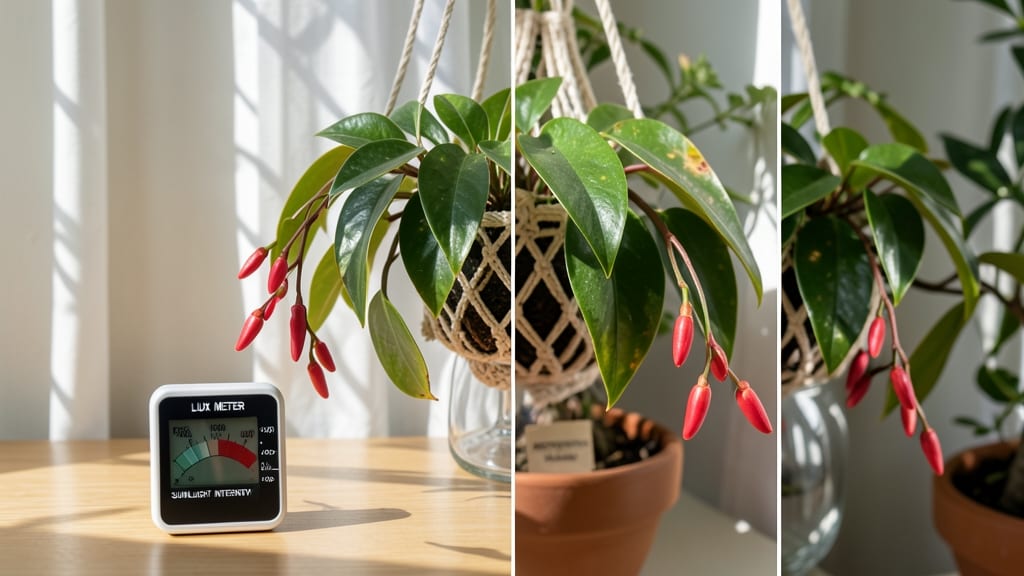
To keep your Lipstick Plant 🌸 thriving, how much light does a lipstick plant need is the game-changer between a lush, blooming beauty and a struggling, leggy mess. Too little light, and it stretches desperately toward any available glow; too much, and those delicate leaves crisp like overcooked pasta.
Finding that sweet spot isn't just about avoiding damage—it's about unlocking vibrant blooms and keeping your plant's signature glossy foliage.
Most growers assume bright light means direct sun, but your Lipstick Plant rebels against harsh rays. Instead, it craves bright indirect light, like the dappled shade under a canopy or a few feet back from an east-facing window.
Think of it as the plant equivalent of a perfect coffee shop ambiance—cozy but never overwhelming. This balance isn't just ideal; it's essential for preventing those telltale signs of stress like yellowing leaves or stunted growth.
Here's the secret: your Lipstick Plant doesn't just tolerate moderate light—it thrives in it. We're talking 4-6 hours of filtered sunlight daily, where leaves stay plump and flowers burst with color.
Whether you're adjusting a windowsill or troubleshooting an indoor setup, I'll show you exactly how to create the perfect light conditions—no guesswork required.
Ready to transform your plant from "meh" to "wow"? Let's dive into the light requirements that'll have your Lipstick Plant looking like it belongs in a botanical garden, not just your living room. You'll learn how to spot the subtle signs of light stress and adjust before it's too late.

Ideal light requirements for lipstick plant growth: bright indirect sunlight explained
If your lipstick plant (Aeschynanthus) is struggling, the culprit is often light exposure. Too little light leads to leggy growth, while too much causes leaf burn. The secret? Bright indirect sunlight—think dappled shade under a tree or an east-facing window.
This tropical beauty thrives with 4-6 hours of filtered light daily, mimicking its native forest floor habitat.
Indoors, place your lipstick plant near a window but avoid harsh afternoon rays. South-facing windows can be too intense, while north-facing spots may leave it light-starved.
Outdoor growers should provide morning sun and afternoon shade, especially in hot climates. Seasonal adjustments are key—reduce light exposure in summer to prevent stress.
Why bright indirect light? Direct sun bleaches leaves, while low light weakens stems. The goal is to maintain vibrant foliage and abundant blooms. Your plant’s leaves will tell the story—deep green with red undersides means it’s happy, while pale or yellow leaves signal a problem. Let’s break down the perfect light conditions in this comparison:
| Light Condition | Daily Duration | Best Location | Seasonal Adjustments |
|---|---|---|---|
| Bright Indirect | 4-6 hours | East/West window, 3-5 ft away | Ideal year-round |
| Low Light | <2 hours | North window, interior room | Use grow lights for 6-8 hours |
| Direct Sun | >6 hours | South window, outdoor full sun | Move to shade immediately |
| Filtered Sun | 4-6 hours | Under sheer curtain, patio with shade | Best for summer months |
For indoor growers, an east-facing window is your best bet. The morning light is gentle, while afternoon sun can scorch leaves. If your space lacks natural light, supplement with LED grow lights for 6-8 hours daily.
Place the light 12-18 inches above the plant to mimic natural intensity. Outdoor plants should enjoy morning sun exposure but retreat to shade by midday.
Watch for seasonal shifts. In summer, when sunlight is intense, move your plant further from windows or use a sheer curtain. Winter’s weaker light may require rotating the pot to ensure even exposure. A 360-degree rotation every few weeks keeps growth balanced and prevents lopsided stems.
Pro tip: Test your spot by holding a piece of paper near the plant. If you can’t read the print, the light is too dim. If the paper burns after 30 minutes, the light is too harsh.
Your lipstick plant’s leaves will thank you for finding that sweet spot between too little and too much.
When light conditions are perfect, you’ll see glossy leaves and vibrant red blooms—proof your plant is thriving. But if you notice yellowing leaves or sparse flowers, it’s time to reassess.
The key is consistency: bright but indirect light is non-negotiable for this tropical stunner. Adjust gradually to avoid shocking your plant, and soon you’ll have a blooming beauty that steals the show.
Remember, every home’s light varies. Observe your plant’s response and tweak as needed. With the right light, your lipstick plant will reward you with year-round color and lush foliage—no leggy shadows in sight! 🌿
Signs your lipstick plant isn’t getting enough (or too much) light
Your Lipstick Plant 🌸 might be silently screaming for help if its leaves start telling a story of light stress. When it's not getting enough light, the first clue is long, spindly stems reaching desperately toward any available glow.
These leggy growth patterns happen when your plant stretches to capture more light, creating weak stems that can't support the foliage properly.
Another red flag is pale, yellowing leaves that lose their signature glossy finish. These leaves often appear thinner and weaker than usual, signaling your plant isn't getting the bright indirect light it craves.
Even worse, you might notice fewer (or no) blooms—because without proper light, your Lipstick Plant conserves energy for survival instead of producing those stunning flowers.
Too much light, on the other hand, sends a completely different message. Watch for crispy brown edges on leaves or bleached white patches where direct sun has scorched the delicate foliage. These sunburn symptoms appear suddenly and worsen quickly, especially on leaves exposed to harsh afternoon rays.
🌱 Pro Tip: Check the underside of leaves—if they're turning pale or losing color, your plant is getting too much direct light. Healthy undersides should maintain a similar hue to the tops.
⚠️ Light Warning for Lipstick Plants
Your Lipstick Plant 🌸 needs bright indirect light—4-6 hours daily—but never direct sun. The ideal spot gets morning sun with afternoon shade, like an east-facing window 3-5 feet away. South-facing windows require a sheer curtain to filter harsh rays, while north-facing windows may need supplemental grow lights for 6-8 hours/day to prevent legginess.
If your plant shows light deficiencies, move it closer to a bright window or use a grow light 6-12 inches above. For sunburn damage, immediately relocate to shadier conditions and mist leaves to reduce stress. Remember: gradual adjustments are key—sudden changes can shock your plant even more.
Pay attention to new growth patterns after adjustments. Healthy new leaves should be dark green, glossy, and compact, while stems should stay upright and sturdy.
If you see red or purple tinges on new leaves, it's another sign of low light stress—your plant is trying to produce more chlorophyll to compensate.
For outdoor growers, summer heat can intensify light stress. If your Lipstick Plant shows signs of heat exhaustion (drooping, curled leaves), provide afternoon shade cloth or move it to a dappled shade garden spot.
Consistency is key—your plant thrives on stable light conditions, so avoid moving it frequently between sunny and shady spots.