
Plants
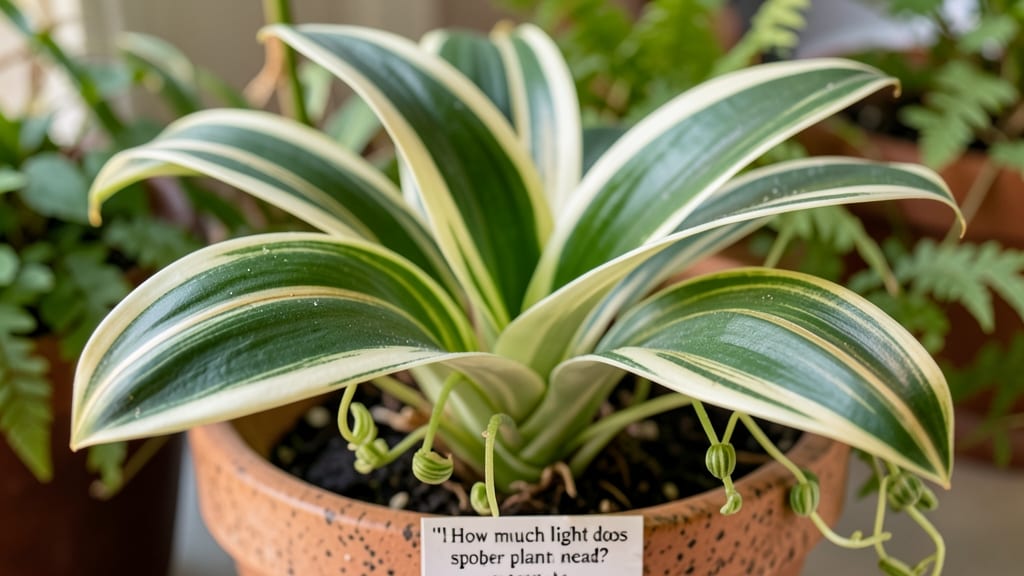
Wondering how much light your 🌿 Spider Plant really needs to thrive? The answer isn’t as simple as “more is better”—in fact, too much direct sun can turn your lush green leaves crispy in days.
This hardy houseplant actually prefers bright, indirect light, making it perfect for 6a zones or any home with filtered sunlight.
If you’ve ever watched your Spider Plant stretch toward the window like a sunflower or develop unsightly brown tips, you’re not alone. The key to keeping it happy lies in understanding its light preferences—and how to adjust them as seasons change.
Whether you’re dealing with a dim corner or a south-facing window, I’ll show you exactly where to place it for strong, healthy growth without the guesswork.
Let’s start with the basics: how to spot the perfect spot in your home, what to do if your plant looks stressed, and even how to supplement natural light when your space falls short.
By the end, you’ll know exactly how to give your Spider Plant the ideal balance of brightness—no sunburn or leggy stems in sight.
Ready to transform your plant parent game? The right light setup could be the game-changer your Spider Plant has been waiting for. Let’s dive in.

Spider plant light requirements: the ideal brightness spectrum for healthy growth
If you've ever watched your spider plant (Chlorophytum comosum) stretch toward the window only to develop brown tips or weak stems, you're not alone. These plants thrive in bright indirect light, but finding the perfect spot can feel like solving a puzzle.
The key lies in understanding the light intensity spectrum—from low light to medium indirect—and how your home's windows play a role. Let's break it down so your plant gets the ideal light balance without risking sunburn or leggy growth.
Spider plants are famously adaptable, but their light needs are often misunderstood. Too little light leads to pale, sparse foliage, while too much causes crispy leaf edges. The sweet spot? 4-6 hours of bright, filtered light daily.
This means positioning your plant near a window—but not directly in the sun. Think of it as giving your spider plant a gentle sunbath rather than a full-blown tan.
Why does window direction matter? East-facing windows provide soft morning light, perfect for spider plants, while west-facing windows can deliver harsh afternoon sun. North-facing windows offer consistent indirect light, though it may be dimmer. South-facing windows? Those are usually a no-go unless you're using a sheer curtain to diffuse the light. Understanding these nuances will help you place your plant in its ideal light zone.
For bright indirect light, place your spider plant 2-3 feet from an east-facing window. This gives it morning sun exposure without the intense afternoon rays.
If you only have a west-facing window, use a sheer curtain to diffuse the light and position the plant 4-5 feet away. North-facing windows are ideal for medium indirect light, but your plant may grow more slowly.
In these cases, supplement with a grow light for 12-14 hours daily to mimic natural conditions.
If your home lacks natural light, don't despair. Spider plants can adapt to low-light conditions, though their growth will be slower and less vibrant. In these cases, a LED grow light placed 12-18 inches above the plant for 12-14 hours can work wonders.
Look for lights with a cool white spectrum (around 5000-6500K) to replicate natural daylight. Rotate your plant quarter-turns weekly to ensure even growth.
Seasonal changes also affect your spider plant's light needs. During summer months, when sunlight is more intense, move your plant further from the window or use a light filter to prevent leaf scorch.
In winter, when natural light is scarce, supplement with a grow light or rotate plants to ensure all sides receive equal exposure. This seasonal adjustment keeps your spider plant thriving year-round.
Pro tip: Test your plant's light conditions with the "shadow test". Hold a piece of paper near your spider plant during the day. If the shadow is sharp and dark, the light is too direct.
If the shadow is soft and fuzzy, you've found the perfect indirect light spot. This simple trick helps you fine-tune placement without guesswork. Pair it with regular leaf inspections to catch early signs of light stress.
Remember, spider plants are forgiving, but they do communicate their needs. Yellowing leaves often signal too much light, while stretched, pale stems indicate insufficient light.
By understanding these cues and adjusting your plant's position, you'll create the ideal brightness spectrum for a lush, healthy spider plant that thrives for years. With the right light, your plant will reward you with arching foliage and abundant spiderettes—the perfect indoor garden centerpiece.
Signs your spider plant isn’t getting enough (or too much) light
Your spider plant (Chlorophytum comosum) is a resilient houseplant, but even it struggles when light conditions are off. Yellowing leaves, brown tips, or stretched stems are classic signals your plant is either starving for light or getting too much harsh sun.
The key is finding that bright indirect light sweet spot—where your plant thrives without burning or stretching.
Before you panic, let’s diagnose the issue. Underlighting causes slow growth and pale foliage, while overlighting leads to crispy edges and sunburn. I’ll walk you through the visual cues and simple fixes to get your spider plant back on track.
Start by checking its current spot—is it near a window? How strong is the light? A quick DIY light test can reveal the problem in minutes.
How Much Light Does a Spider Plant Need?
✅ Ideal Light Conditions
- Bright indirect light (e.g., east or north-facing windows)
- 4-6 hours of filtered sunlight daily
- No direct midday sun (avoids sunburn)
- Tolerates low light but grows slowly
❌ Light Mistakes to Avoid
- Direct afternoon sun → Brown crispy edges
- Dim corners → Pale, stretched leaves
- Fluorescent lights only → Leggy growth
- Sudden light changes → Shock and leaf drop
If your spider plant’s leaves are turning yellow, it’s likely underlighted. The older leaves yellow first, then new growth slows. Move it closer to a bright window or supplement with a grow light 12 inches away for 6-8 hours daily.
Yellowing can also signal overwatering, so check the soil—it should dry 1-2 inches deep between waterings.
See brown tips or crispy edges? Your plant is getting too much direct sun. These sunburn signs appear first on the leaf tips. Immediately move it 3-4 feet away from the window or add a light filter.
If the damage is severe, trim the affected tips with clean scissors to encourage new growth.
Leggy, stretched stems with sparse leaves? Your spider plant is reaching for light. This happens in dim rooms or under artificial lights alone. Boost light by placing it near a south-facing window with sheer curtains or use a reflective surface (like a mirror) to bounce natural light.
If needed, add a LED grow light for 10-12 hours daily.
For a quick DIY light test, hold a piece of white paper near your plant. If the light casts a sharp shadow, it’s too direct. If the shadow is fuzzy or nonexistent, the light is perfect.
Adjust placement until you see bright green leaves with no yellow or brown—that’s your spider plant’s happy place!
Remember, spider plants are adaptable. With the right light balance, your plant will reward you with long, arching leaves and plenty of spiderettes. Start with these fixes, and in a few weeks, you’ll see the difference! 🌿