
Plants
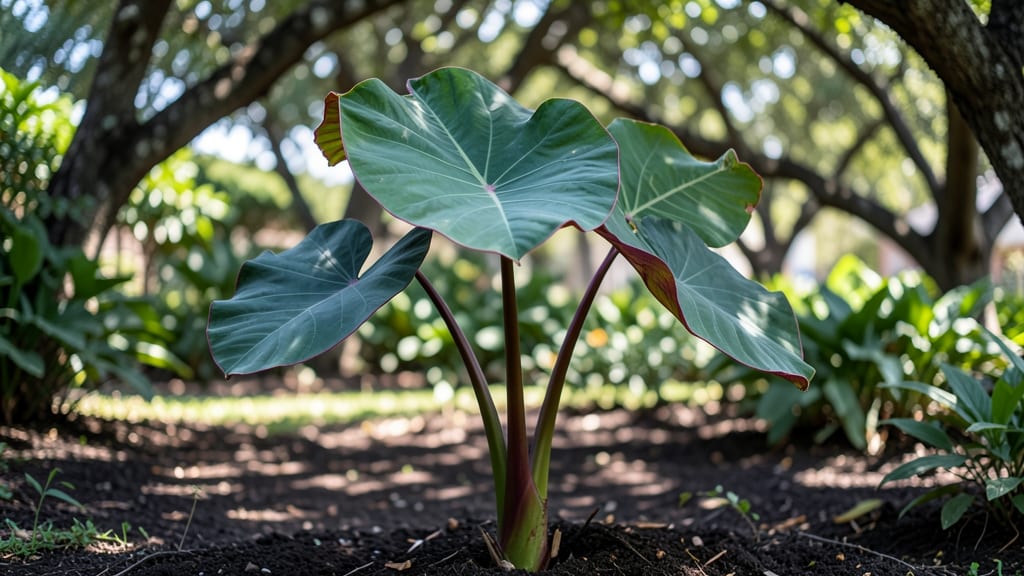
Want to know how much light does an elephant ear plant need to thrive and show off those bold, striking leaves? The secret to success starts with light—and getting it right makes all the difference between a thriving plant and one that struggles to survive.
Most gardeners assume these tropical beauties need full sun, but the truth is more nuanced. Too much direct sunlight can scorch those delicate leaves, while too little leaves them weak and leggy. The key lies in bright indirect light, giving your plant just enough energy without risking damage.
In this guide, I’ll break down exactly how much light your Elephant Ear needs—whether you’re growing it in your garden or indoors—and how to adjust for different climates. You’ll learn to spot the signs of perfect lighting (and what to do if you’ve gone wrong).
Ready to give your plant the ideal conditions? Let’s dive into the details so you can enjoy those dramatic foliage displays all season long.

Optimal light requirements for elephant ear plants: bright indirect sunlight explained
Elephant ear plants (Colocasia spp.) thrive when given the right balance of light, but many gardeners struggle to find that sweet spot. Too much direct sun can scorch their large leaves, while too little light causes leggy, weak growth.
The key is providing 4-6 hours of bright indirect sunlight daily, which mimics their natural tropical habitat while preventing stress.
These plants evolved under the canopy of other vegetation, where they receive dappled sunlight rather than harsh midday rays. That means positioning them where they get morning sun or filtered afternoon light works best.
In hotter climates like USDA zones 8-11, even morning sun with afternoon shade can prevent leaf burn while still supporting robust growth.
Here’s how to visualize the perfect setup: Imagine placing your elephant ear plant near an east-facing window or under a semi-sheer curtain that diffuses midday intensity. This approach ensures they get enough photosynthetic energy without the risk of overheating.
| Light Condition | Daily Duration | Ideal Placement | Signs of Correct Light |
|---|---|---|---|
| Bright Indirect Sunlight | 4-6 hours | East/west window, under sheer curtain | Deep green leaves, sturdy stems |
| Direct Morning Sun | 2-3 hours (max) | South-facing window with shade cloth | Slight red tint on leaves (normal) |
| Low Light (Under 4 hours) | N/A (supplement with grow lights) | North-facing window or indoor grow lights | Pale yellow leaves, leggy growth |
| Full Sun Exposure | 6+ hours (risky) | South-facing patio (afternoon shade) | Brown crispy edges, sunburn spots |
Seasonal changes also demand adjustments to your elephant ear’s light exposure. During spring and fall, when the sun is lower in the sky, you can gradually increase their direct sunlight tolerance—starting with 1-2 hours of morning sun and monitoring for stress signs.
In summer, however, even 2-3 hours of direct afternoon sun can cause leaf scorch, so always provide afternoon shade using a lattice screen or umbrella.
The science behind this preference lies in Colocasia’s photosynthesis efficiency. These plants have large, thin leaves designed to maximize light absorption in low-light conditions. When exposed to intense midday sun, their chlorophyll breaks down faster, leading to oxidative stress and the telltale brown edges.
Think of it like a tropical plant’s version of sunburn—once the damage starts, it’s hard to reverse.
One common mistake I see is placing elephant ears in deep shade (like under a dense tree canopy) where they get less than 3 hours of light daily. Without sufficient energy, they’ll stretch toward any available light, producing weak, elongated stems and small leaves.
This condition, called etiolation, is a clear sign your plant is light-deprived. To fix it, move them to a brighter spot but avoid sudden exposure to full sun.
For container growers, light requirements become even more critical because pots have limited heat retention. If your elephant ear is in a terracotta pot, it may need more frequent shade adjustments to prevent overheating.
A simple trick is to rotate the pot quarter-turns weekly so all sides get even light exposure, preventing uneven growth patterns.
Pro tip: Use a light meter (or your phone’s lux app) to measure light levels. Ideal conditions for Colocasia fall between 10,000-20,000 lux—about the brightness of a brightly lit office but not direct sunlight.
If you’re unsure, start with partial shade and observe your plant’s response over 2-3 weeks before making permanent adjustments.
Remember, every elephant ear variety has slight variations in light tolerance. ‘Black Stem’ types, for example, handle slightly more shade than ‘Ruffles’, which need extra brightness to maintain their textured foliage. Always check the specific variety’s care guide to fine-tune your approach.
With the right light balance, your elephant ear will reward you with bold, glossy leaves that can reach 2-3 feet wide—a stunning focal point in any garden. The key is patience: gradual adjustments and close observation will help you find that perfect bright indirect sunlight sweet spot.
How to adjust light for different growth stages: seedlings vs. mature plants
Elephant ear plants (Colocasia) change their light needs dramatically as they grow. Seedlings are delicate and need gentle light, while mature plants can handle more sun. Understanding this shift prevents common issues like leggy seedlings or sunburned foliage in adults.
For new seedlings, start with filtered light—think dappled shade or a 50% shade cloth. Too much direct sun at this stage causes etiolation (stretched, weak stems). Place them near an east-facing window or under grow lights for 10-12 hours daily.
⚠️ callout warning
Moving seedlings too quickly to full sun causes permanent damage. Gradually increase exposure by 1-2 hours per week. Watch for yellowing leaves or crispy edges—signs of stress.
🌱 Pro Tip: Use a sheer curtain to diffuse harsh afternoon sun during transitions.
Once seedlings reach 4-6 inches tall, they’re ready for bright indirect light. At this stage, place them 3-4 feet from a south-facing window or under 60% shade cloth outdoors. This mimics the understory conditions they prefer in tropical forests.
Mature elephant ears can handle morning sun plus afternoon shade in most climates. In USDA Zones 8-10, they tolerate 4-6 hours of direct sun daily, but avoid midday heat (11 AM–3 PM), which burns leaves. Look for bronzing or bleached patches as warning signs.
If your plant shows leggy growth (long stems, small leaves), it’s not getting enough light. Move it to a sunnier spot gradually—never shock it with full sun. For overly dark conditions, supplement with a 12-hour LED grow light (2,700–6,600K spectrum) to prevent weak stems.
In hot, dry climates, mature plants may need afternoon shade to prevent wilting. Use a 30% shade cloth during peak summer months. Monitor soil moisture closely—stressed plants from heat or drought show drooping leaves even with proper light.