
Plants
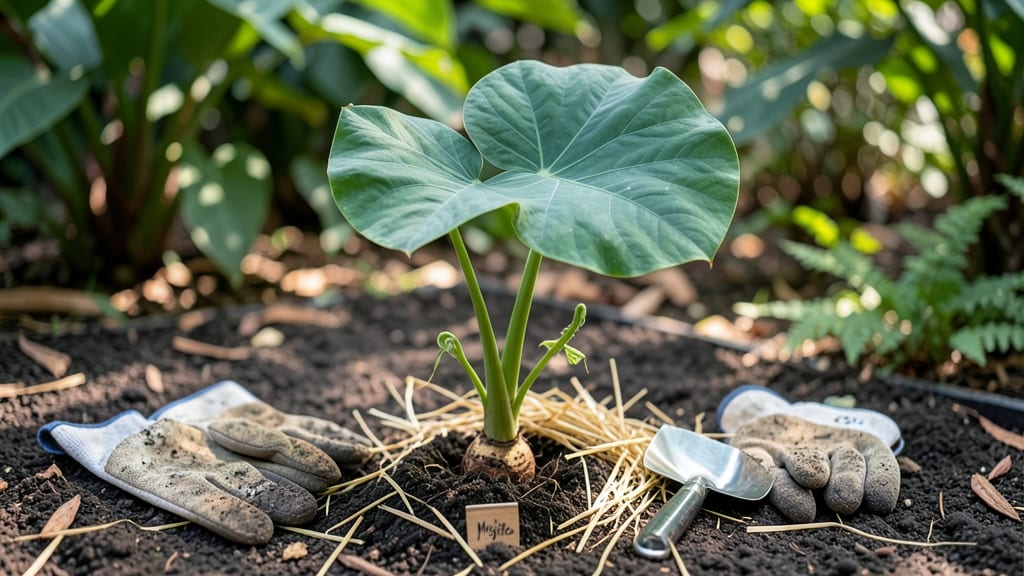
Planting elephant ears 🌿 in Oklahoma isn’t just about waiting for spring—it’s about timing it right to avoid frost damage or scorching heat.
Since your growing season is short but intense, getting these tropical beauties in the ground at the perfect moment means the difference between stunning foliage and wilted disappointment.
Most gardeners in USDA Zones 6a-8a should wait until after the last frost date—typically late April to early May—when soil temperatures hit at least 60°F.
But here’s the catch: if you’re in a cooler microclimate like northern Oklahoma, you might need to push planting even later to avoid early-season freezes.
I’ll walk you through the exact steps to time your planting, from checking soil warmth to adjusting for Oklahoma’s unpredictable weather. Whether you’re a first-timer or a seasoned gardener, these tips will help you grow elephant ears that thrive all summer long.
Ready to transform your garden with bold, tropical leaves? Let’s dive into the best planting strategies for your Oklahoma heat zone—so you can enjoy those dramatic 4-6 foot plants without the guesswork.
Oklahoma’s best planting windows for elephant ears by heat Zone
Timing is everything when planting elephant ears (Colocasia) in Oklahoma, where USDA Zones 7a-8b create a delicate balance between frost risk and summer heat.
The key is waiting until soil temperatures hit 60°F+—usually late April to early June—when danger of frost has passed but extreme heat hasn’t yet arrived.
In Zone 7a (northern OK), this window narrows to mid-May, while Zone 8b (southern OK) gardeners can start as early as mid-April.
Oklahoma’s microclimates add complexity: Oklahoma City’s urban heat island effect may push planting dates 1-2 weeks earlier than rural areas, while Tulsa’s slightly cooler nights call for extra caution.
For tubers vs. potted plants, tubers need 4-6 weeks to establish roots before summer heat peaks, while potted plants offer flexibility for later transplanting.
Here’s your heat-zone breakdown for perfect timing, including soil prep and microclimate adjustments:
| Zone | Ideal Planting Window | Soil Temp Threshold | Microclimate Adjustments | Tubers vs. Pots |
|---|---|---|---|---|
| 7a (Northern OK) | Mid-May to early June | 60°F+ (test with soil thermometer) | Wait for last frost (avg. May 10) | Tubers: 6+ weeks before summer; Pots: Transplant June 1 |
| 7b (Central OK) | Late April to mid-May | 60°F+ (soil warms faster) | Urban areas: 1 week earlier | Tubers: 5 weeks prep; Pots: April 25 |
| 8a (Southern OK) | Mid-April to early May | 55°F+ (warmer climates) | Shade cloth for late April heatwaves | Tubers: 4 weeks prep; Pots: April 15 |
| 8b (SE OK) | Late March to April | 50°F+ (tropical varieties) | Overwinter tubers in Zone 8a | Tubers: 3 weeks prep; Pots: March 20 |
For tubers, I recommend soaking them in lukewarm water for 24 hours before planting to jumpstart growth. Plant them 2-3 inches deep in moist, well-draining soil mixed with compost.
In containers, use a fast-draining mix with perlite to prevent root rot—a common issue in Oklahoma’s summer humidity.
If you’re in Zone 7a and worried about late frosts, opt for potted elephant ears instead of tubers. They’re easier to move indoors or under row covers if temperatures dip below 50°F. Varieties like ‘Black Magic’ or ‘Illustris’ handle transplant shock better than delicate ‘Elephant Ears ‘Blue’.
Pro tip: Use a soil thermometer to confirm 60°F+ before planting—Oklahoma’s spring soil can lag 2 weeks behind air temperatures. For shade-loving varieties, mulch heavily with straw or wood chips to keep roots cool during June heatwaves.
In Zone 8b, you can even try fall planting for a second flush of growth. Plant tubers 6-8 weeks before first frost (early October) and protect them with mulch or frost cloth. This works best for heat-tolerant varieties like ‘Pink China’, which won’t bolt in cooler temps.
Remember: Elephant ears are tender perennials in Oklahoma—they’ll die back in frost but can regrow from tubers if stored properly. For overwintering, dig up tubers in late fall, cure them in sand for 2 weeks, then store in a cool, dark place until spring replanting.
By following these heat-zone guidelines, you’ll avoid the two biggest mistakes: planting too early (frost damage) or too late (heat stress). With the right timing, your elephant ears will reward you with bold foliage from June through October—even in Oklahoma’s intense summers!
🌿
5 Critical signs your elephant ear planting timing is wrong (and how to fix it)
Your elephant ear plants may look stunning in catalogs, but Oklahoma’s unpredictable weather can turn them into sad, stunted shadows if planted at the wrong time. Yellowing leaves or wilted foliage aren’t just aesthetic issues—they’re warning signs your Colocasia is struggling from frost damage or heat shock.
Let’s decode these red flags and fix them fast.
First, yellowing leaves often mean your plant was exposed to late spring frost, a common issue in Oklahoma’s Zone 7a-8a. Even a light frost can blacken foliage overnight.
If you spot this, don’t panic—your tubers might still be alive. Dig up the plant, inspect the roots, and replant once soil temps hit 60°F+.
Next, stunted growth or small leaves usually signal heat stress or poor soil conditions. Planting too late in Oklahoma’s sweltering summers can shock tender roots. If this happens, move your elephant ears to a shadier spot and mulch heavily with 3-4 inches of compost to retain moisture.
Here’s the critical moment: wilted or crispy foliage means your plant is either overheated or underwatered. Check soil moisture—if the top 2 inches are dry, water deeply in the morning. For extreme heat (above 95°F), drape shade cloth over the plants to protect them until temps drop.
⚠️ Oklahoma-Specific Planting Warning
Planting elephant ears before May 1st in most of Oklahoma risks frost damage. After June 15th, heat stress becomes the bigger threat. Use this checklist to adjust:
- ✅ Soil temp ≥ 60°F (use a soil thermometer)
- ✅ Last frost date passed (check Almanac for your city)
- ✅ Partial shade available (afternoon sun is deadly)
- ✅ Mulch applied to retain moisture
Pro Tip: In Zone 7a (e.g., Oklahoma City), wait until mid-May for tubers. In Zone 8a (e.g., Tulsa), early April works if nights stay above 50°F.
If your elephant ears show brown edges on leaves, it’s often a sign of salt buildup from tap water or poor drainage. Flush the soil with rainwater or distilled water, and amend the soil with peat moss to improve aeration.
For container plants, ensure pots have drainage holes and use a well-draining mix.
Finally, if your plants bolt or flower prematurely, they’re reacting to stress—likely from temperature swings or drought. Move them to a more stable microclimate, like near a north-facing wall, and increase watering to every 2-3 days during heatwaves.
With these fixes, your elephant ears will bounce back stronger than ever.
Remember: Oklahoma’s climate is your biggest challenge, but with these signs and fixes, you’ll keep your Colocasia thriving from spring to fall. Happy gardening! 🌿