
How To
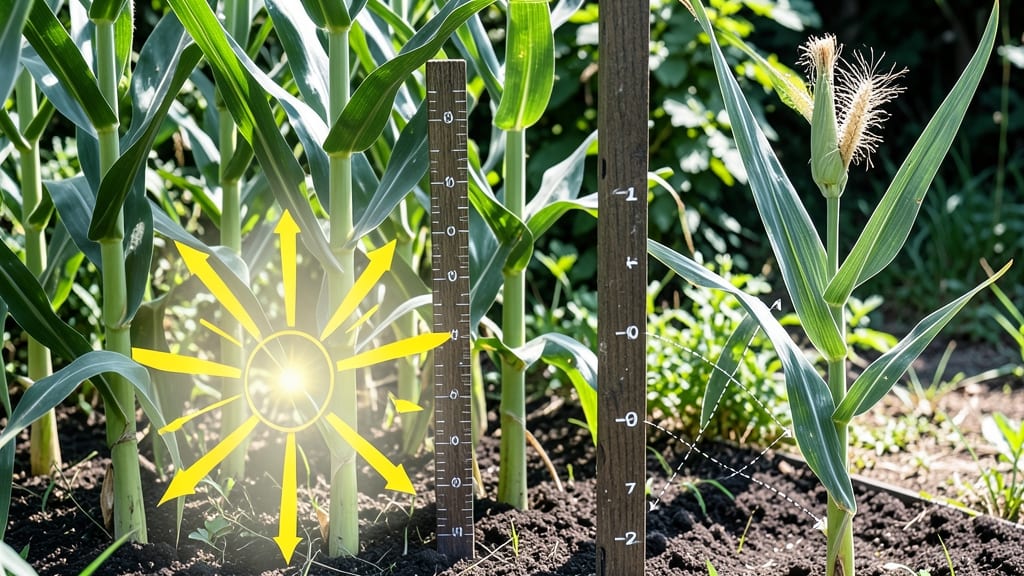
Ideal light requirements for a healthy corn plant: sunlight needs explained
Corn plants are sun lovers, and their light requirements are one of the most critical factors for a successful harvest. Without enough sunlight, your corn may struggle to grow tall, develop ears, or even survive.
As a gardener, I’ve learned that 6 to 8 hours of direct sunlight daily is non-negotiable for corn—whether you're growing it in your backyard or indoors. This sun-loving plant thrives under bright, unfiltered light, mimicking its natural habitat in open fields.
If you’re growing corn in containers or indoors, you’ll need to get creative with placement or supplemental lighting. Corn plants can’t tolerate shade, so even a partial shade spot will result in weak stems and poor ear development.
I’ve seen firsthand how corn planted in low-light conditions produces tiny, underdeveloped ears—or worse, no ears at all. Let’s break down exactly how much light corn needs and how to optimize it for the best results.
| Light Requirement | Specification | Notes |
|---|---|---|
| Minimum Daily Sunlight | 6 hours | Critical for stalk and ear development |
| Optimal Daily Sunlight | 8+ hours | Maximizes yield and kernel size |
| Light Type | Direct sunlight | Bright indirect light is insufficient |
| Seasonal Adjustments | 6-10 hours (varies by climate) | Northern climates may need supplemental light |
| Indoor Lighting Alternative | 12-16 hours with grow lights | LED grow lights work best for indoor setups |
Corn plants are particularly sensitive to light intensity during their early growth stages. When seedlings first emerge, they need bright indirect light to prevent leggy growth, but as they mature, they crave full sun exposure.
I’ve noticed that corn planted in morning sun with afternoon shade often produces smaller ears because the afternoon sun is when corn does most of its photosynthesis.
If you’re in a hot climate, provide afternoon shade to prevent stress, but ensure the plant still gets its full 6-8 hours of sunlight.
Seasonal changes also play a role in corn’s light needs. In spring and summer, when days are longer, corn thrives with full sun exposure.
However, in early spring or late summer, when daylight hours shorten, you may need to adjust planting times or use reflective surfaces (like white walls or mirrors) to bounce extra light onto your plants. I’ve used reflective mulch in my garden to boost light penetration, especially in shaded corners.
One common mistake I see is assuming that bright indirect light is enough for corn. While it’s better than shade, indirect light won’t produce the same results as direct sunlight. If your corn plants start stretching toward the light or developing pale, weak stems, they’re begging for more sun.
This is your plant’s way of telling you it’s not getting enough photosynthetic energy to grow properly. In these cases, consider relocating your plants to a sunnier spot or supplementing with grow lights.
For indoor growers, replicating full sun conditions can be tricky, but it’s not impossible. A south-facing window is ideal, but if that’s not an option, you’ll need to invest in LED grow lights that mimic natural sunlight.
I recommend placing grow lights 6-12 inches above your corn plants and running them for 12-16 hours per day to compensate for the lack of natural light. Adjust the height as your plants grow to avoid burning the leaves.
Over-exposure to sunlight can also be an issue, especially in hot, dry climates. While corn loves sun, too much heat without adequate water can cause the leaves to scorch or wilt.
To prevent this, I water my corn plants deeply in the early morning to give them a drink before the sun peaks. Mulching around the base of the plant also helps retain moisture and regulate soil temperature, keeping your corn healthy and hydrated.
If you’re growing corn in containers, choose a location that gets at least 6 hours of direct sunlight and rotate the pots every few days. This ensures all sides of the plant get even exposure, preventing uneven growth.
I’ve found that black or dark-colored containers absorb more heat, which can stress corn plants, so opt for lighter-colored pots if you’re growing in hot conditions.
In summary, corn plants are sun worshippers that demand 6-8 hours of direct sunlight daily for optimal growth. Whether you’re growing them outdoors or indoors, pay close attention to light intensity, seasonal changes, and signs of under- or over-exposure.
With the right lighting, your corn will reward you with tall stalks, lush foliage, and plump, sweet ears ready for harvest. 🌽
Signs your corn plant isn’t getting enough light (and how to fix it)
If your corn plants are struggling, the first thing to check is their light exposure. Corn plants are sun-dependent, and when they don’t get enough light, they send clear signals.
The most obvious sign is stunted growth—your plants may stay short and spindly instead of reaching their full 6-10 foot height. I’ve seen corn plants in low-light conditions grow only half their expected height, with tiny, underdeveloped ears that never mature properly.
Another red flag is pale or yellowing leaves. Healthy corn leaves should be a vibrant green, but when they’re starved for light, they turn light green or yellowish, especially on the lower stems.
This happens because the plant isn’t producing enough chlorophyll to support its energy needs. In extreme cases, the leaves may even develop brown or dead spots, a sign the plant is struggling to survive.
🌱
⚠️ Warning: How Much Light Does Corn Plant Need?
Corn plants require 6-8 hours of direct sunlight daily to thrive. Without this, they’ll exhibit leggy stems, pale foliage, and poor ear development. Even bright indirect light won’t cut it—corn needs unfiltered sunlight for photosynthesis. If your plants are stretching toward light sources or developing weak stems, they’re begging for more sun. For indoor growers, LED grow lights (12-16 hours/day) are essential to replicate natural sunlight conditions.
One of the most frustrating signs of light deficiency is leggy growth. Your corn plants may stretch excessively toward the light source, creating long, weak stems that can’t support themselves.
This happens because the plant is reaching for more light, but the stems become thin and brittle, making them prone to snapping.
I’ve had to stake leggy corn plants to prevent them from toppling over, but it’s always better to prevent the issue by providing adequate light from the start.
If your corn plants are producing small or no ears, light deficiency is often the culprit. Corn needs plenty of sunlight to develop plump, sweet kernels.
In low-light conditions, the plant diverts its energy to leaf growth instead of ear development, resulting in tiny, underdeveloped ears or no ears at all. I once grew corn in a partially shaded spot, and while the plants survived, they produced ears that were barely an inch long—hardly worth harvesting!
To fix these issues, start by relocating your corn plants to a sunnier spot. If you’re growing indoors, move them to a south-facing window or invest in grow lights.
For outdoor gardens, ensure your corn gets at least 6 hours of direct sunlight, ideally in the morning and afternoon. If your garden has shaded areas, consider using reflective mulch or white walls to bounce extra light onto your plants.
If moving your plants isn’t an option, supplement with grow lights. Place them 6-12 inches above your corn plants and run them for 12-16 hours per day to mimic natural sunlight.
LED grow lights are the most efficient choice, as they provide the full spectrum of light your corn needs to thrive. Rotate your plants regularly to ensure even growth and prevent them from leaning toward the light source.
Finally, keep an eye on your corn plants for signs of over-exposure, such as wilted or scorched leaves. While corn loves sun, too much heat without adequate water can cause stress. Water deeply in the early morning and use mulch to retain moisture and regulate soil temperature.
With the right balance of light and care, your corn plants will reward you with tall, healthy stalks and sweet, plump ears ready for harvest. 🌽