
How To
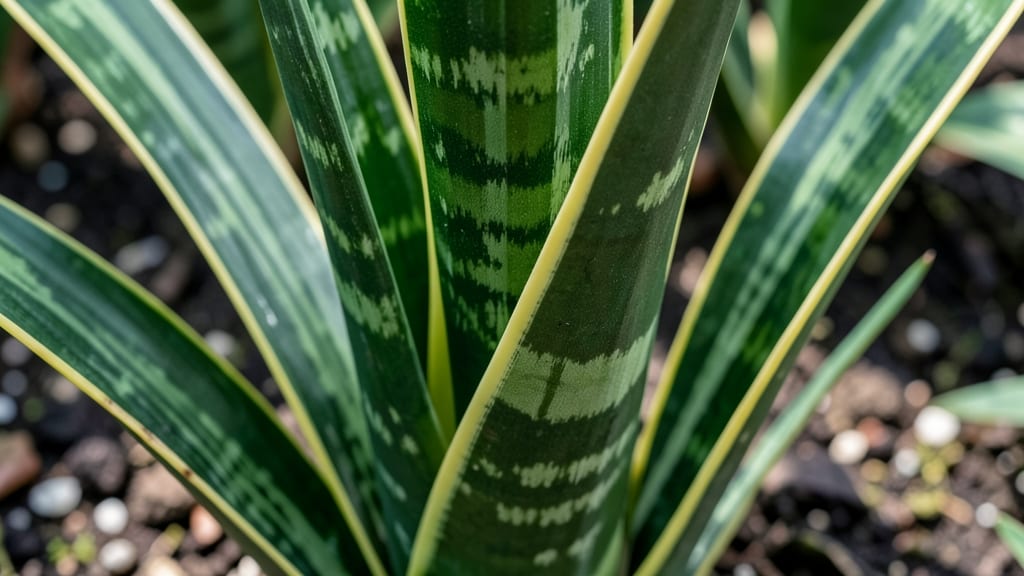
Ever wondered how tall a snake plant can grow 🌿 before it starts looking like a jungle in your living room? The truth is, its height depends more on its variety and care than you might think—and yes, some can reach surprising heights while others stay compact.
If you’ve ever assumed all snake plants grow into towering giants, think again. Most varieties like 'Laurentii' or 'Futura Superba' typically max out between 1 to 4 feet indoors, but with the right conditions (or the wrong ones), they can stretch even taller.
The key? Understanding your plant’s natural growth habits and how to guide them—without sacrificing health.
Whether you’re dealing with a snake plant 🌿 that’s already shooting up faster than expected or one that’s barely budging, I’ve got the science-backed insights to help you control its height.
From pruning secrets to light tricks, you’ll learn how to keep your plant thriving—whether you want it to stay small or grow just enough to fill that empty corner.
Ready to stop guessing and start growing with confidence? Let’s dive into the factors that determine your snake plant’s height—and how to shape it exactly the way you want.


Snake plant height by variety: indoor growth limits explained
If you’ve ever wondered whether your snake plant (Sansevieria) will soon reach for the ceiling, the answer depends entirely on the variety and growing conditions. Most common types mature between 1–4 feet tall indoors, but some can stretch taller with ideal care.
Let’s break down the height expectations for your plant’s future—plus how to keep it contained in small spaces.
Snake plants are famously low-maintenance, but their vertical growth varies wildly. For example, the Sansevieria trifasciata 'Laurentii' (the classic "mother-in-law’s tongue") typically hits 2–3 feet tall indoors, while Sansevieria cylindrica can grow 3–4 feet in optimal conditions.
Even dwarf varieties like Moonshine won’t stay small forever—they’ll still reach 1.5–2 feet if given space.
Here’s the key: light exposure and pot size directly control height. A snake plant in a cramped pot will focus energy on leaf growth rather than roots, leading to taller, thinner leaves.
Meanwhile, bright indirect light encourages compact, bushier growth. If your plant is stretching toward a window, it’s likely light-starved—not a sign of aggressive growth.
🌱
| Variety | Mature Height (Indoors) | Growth Rate | Space-Saving Tip |
|---|---|---|---|
| Sansevieria trifasciata 'Laurentii' | 2–3 feet | Slow to moderate | Repot every 2–3 years to slow height |
| Sansevieria cylindrica | 3–4 feet | Moderate | Prune leggy leaves to encourage bushiness |
| Sansevieria 'Moonshine' | 1.5–2 feet | Slow | Use a shallow pot to limit root spread |
| Sansevieria 'Futura Superba' | 2.5–3.5 feet | Moderate | Rotate pot weekly for even light exposure |
| Sansevieria 'Hahnii' (Bird’s Nest) | 1–1.5 feet | Very slow | Ideal for shelves—compact and clumping |
For small apartments, the Sansevieria 'Hahnii' (Bird’s Nest) is your best bet—it stays under 1.5 feet tall and grows in a rosette shape, making it perfect for shelves or desks.
If you’re working with a taller variety, like the Sansevieria cylindrica, pair it with a tall, narrow pot (like a 12-inch ceramic planter) to guide vertical growth upward rather than outward.
Another trick? Prune leggy leaves at the base when they reach 18–24 inches. This encourages new shoots to grow from the center, creating a fuller, bushier plant that stays shorter.
Just be sure to sterilize your pruners with rubbing alcohol first—snake plants are prone to bacterial infections if cut improperly.
If your snake plant is already taller than you’d like, don’t panic—you can propagate the cuttings to share with friends or repot them in their own containers. Each leaf base can grow into a new plant, giving you a chance to control height by dividing the clump.
This works especially well for Sansevieria trifasciata, which often forms multiple stems over time.
🌿
One common myth is that snake plants grow taller in low light. In reality, they’ll stretch toward the light source, creating an unsightly, leggy appearance. To fix this, move your plant to a south- or east-facing window (or use a grow light for 6–8 hours daily).
If you’re in a rental with no natural light, a LED grow bulb (like the Sylvania Grow Lux) can keep your plant compact while still thriving.
Finally, remember that root-bound conditions can accelerate height growth. If your snake plant’s roots are circling the pot, it’s time to repot—but choose a container that’s only 1–2 inches wider than the current one.
A terracotta pot (which dries out faster) can also help slow vertical growth by encouraging the plant to focus on leaf health rather than height.
✂️
How to control snake plant height: pruning, repotting & light secrets
If your snake plant 🌿 is stretching taller than you’d like, don’t panic—height control is entirely within your hands. The key lies in understanding how light exposure, root-bound conditions, and pruning techniques influence its growth.
With the right adjustments, you can keep your plant at your ideal height without sacrificing its health.
Most snake plants naturally grow between 1 to 4 feet indoors, but some varieties like 'Hahnii' stay compact (1–2 feet), while others like 'Futura Superba' can reach closer to 4 feet.
The good news? You can slow or accelerate growth by tweaking just a few factors—starting with light placement and pot size.
⚠️ callout warning ⚠️
🚨 Mistake Alert: Pruning Wrong!
Pruning a snake plant at the wrong time or with dirty tools can introduce bacteria, leading to rot or stunted growth. Never cut more than ⅓ of the plant at once, and always use sterilized scissors. Prune only when leaves turn yellow or grow leggy—not as a regular maintenance task!
Start by repotting your snake plant every 2–3 years or when roots circle the pot. A root-bound plant grows taller faster because it’s desperate for space—upgrading to a 1–2 inch larger pot with fast-draining soil can slow vertical growth while encouraging bushier foliage.
Light is your next lever: Low light makes snake plants stretch (a phenomenon called etiolation), while bright indirect light keeps them compact. Place your plant within 2–3 feet of an east-facing window for ideal growth.
If your home lacks natural light, supplement with a grow light 6–8 inches away for 12–14 hours daily.
Pruning isn’t just for height control—it’s also about rejuvenating your plant. Cut leggy leaves at the base with clean scissors, then propagate the cuttings in water or soil. This encourages new growth from the base, creating a fuller, shorter plant. Just remember: prune in spring or summer for best results.
For extra height control, fertilize lightly (every 6–8 weeks with a balanced 5-5-5 fertilizer) and avoid overwatering. Snake plants grow faster when stressed—whether from drought or nutrient overload—so consistency is key.
With these tweaks, you’ll keep your plant at your desired height while enjoying its iconic air-purifying benefits.