
How To
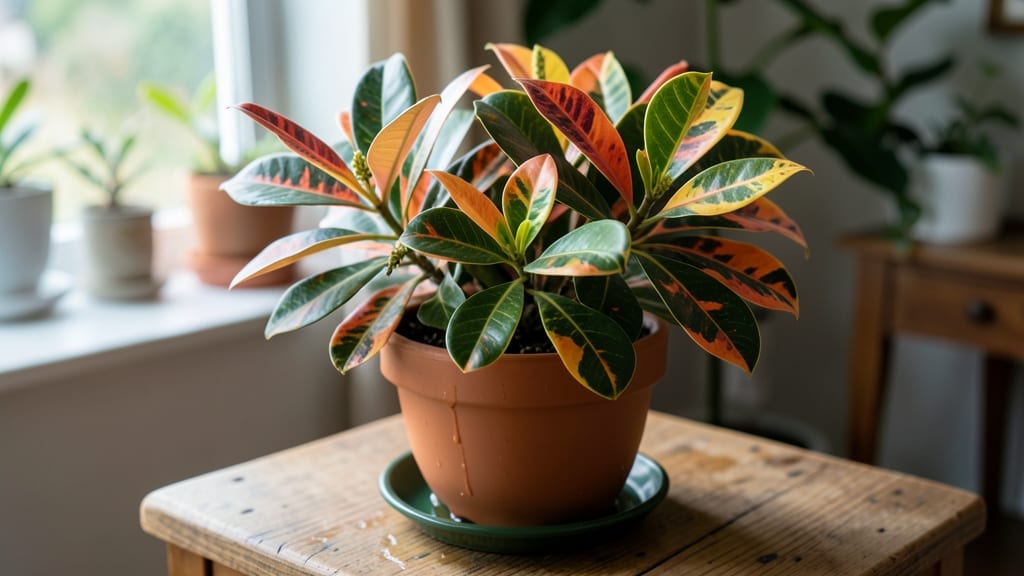
If you’ve ever wondered how tall this croton plant grows—or whether that vibrant bush on your shelf will one day tower over your head—you’re not alone.
The answer depends on the variety, care, and a little bit of patience, because some Crotons stay compact while others reach for the sky.
Most Crotons mature between 3 and 6 feet, but dwarf varieties like ‘Petra’ or ‘Gold Dust’ stay under 2 feet, making them perfect for shelves or small tables.
Meanwhile, standard types like ‘Mammy’ can stretch toward 6 feet or more if given the right conditions—think plenty of sunlight and room to spread.
Here’s the key: pruning plays a huge role in controlling height. A little trimming here and there keeps your plant bushy and manageable, while neglect can lead to leggy, top-heavy growth.
Whether you’re growing yours indoors or outdoors in Zone 6, knowing these tips will help you shape your Croton exactly how you want it.
Ready to discover the best varieties for your space and how to keep them thriving? Let’s break it down so you can pick the perfect Croton for your home—or garden—without any surprises.


Croton plant height by variety: small, medium, and towering options
Choosing the right croton variety depends on your space and vision. These tropical plants (Codiaeum variegatum) range from compact 1-foot wonders to towering 6-foot giants. Understanding their mature heights helps you select the perfect fit for your home or garden.
Whether you’re decorating a small apartment or designing a bold outdoor statement, the right variety can transform your space with its vibrant foliage and striking patterns.
Crotons thrive indoors and outdoors in warm climates (USDA zones 9-11), but their growth habits vary widely. Some stay bushy and low-growing, while others stretch upward like tropical trees.
Let’s explore the most popular varieties and their mature sizes to help you plan your layout and care routine.
📌 Pro Tip: Always check the light exposure in your space before choosing a variety. Low-light areas suit compact types, while sunny spots can handle taller, faster-growing crotons.
| Variety | Mature Height | Growth Habit | Best For |
|---|---|---|---|
| Dwarf Sunburst | 1–2 ft | Compact, bushy | Desks, shelves, small pots |
| Petra | 2–3 ft | Upright, slightly spreading | Tabletop displays, hanging baskets |
| Gold Dust | 3–5 ft | Bushy, multi-stemmed | Living rooms, outdoor borders |
| Mammy | 4–6 ft | Tall, slender stems | Outdoor landscapes, large pots |
| Outrageous Orange | 3–4 ft | Bushy, vibrant foliage | Accent plants, mixed containers |
If you’re working with limited vertical space, the Dwarf Sunburst or Petra varieties are ideal. Their 1–3 ft heights make them perfect for desks, shelves, or hanging baskets. These crotons stay low and bushy, creating a lush, colorful display without overwhelming small areas.
For medium-sized rooms or outdoor gardens, varieties like Gold Dust or Outrageous Orange strike the perfect balance. Their 3–5 ft mature heights add tropical drama while remaining manageable. Place them near south-facing windows or in partial shade to encourage vibrant foliage colors and slower, controlled growth.
If you’re aiming for a bold statement, the Mammy variety can reach up to 6 ft tall with proper care. This towering croton thrives outdoors in warm climates or as a large indoor specimen.
Pair it with pruning to maintain its shape and prevent it from becoming too leggy.
Remember, light exposure directly impacts height. Crotons in bright, indirect light grow slower and bushier, while those in direct sunlight may stretch taller. Use grow lights for indoor plants in low-light areas to keep them compact and healthy.
Pruning is your best tool for controlling height. Pinch back new growth in spring to encourage fuller, shorter plants. For taller varieties, trim leggy stems to promote branching and a balanced shape. Regular pruning also keeps your croton looking neat and intentional in any space.
Outdoor crotons in USDA zones 9–11 can grow faster and taller than indoor varieties. If you’re planting one outside, choose a sunny, sheltered spot and water deeply during dry spells. Mulching around the base helps retain moisture and prevents root stress, which can stunt growth.
Whether you love tiny tabletop crotons or towering tropical giants, there’s a variety to match your style. Start with a smaller type if you’re new to croton care, then graduate to taller varieties as you gain confidence.
With the right light, pruning, and space, your croton will thrive—and become the stunning centerpiece of your garden or home.
Factors that affect croton plant growth height (and how to control it)
Your croton plant’s height isn’t set in stone—it responds directly to its environment and care routine. Understanding these key factors lets you steer growth toward your ideal size, whether you want a compact bush or a tall statement plant.
Light exposure alone can change a 3-foot variety into a 6-foot giant if left unchecked.
Pruning is your most powerful tool for controlling height. Strategic cuts not only shape your plant but also encourage bushier growth or keep leggy stems in check. Even the pot size you choose plays a role—root-bound plants grow slower, while oversized containers can fuel rapid vertical growth.
Mature heights range from 1-2 feet (dwarf varieties) to 6+ feet (standard types). Growth rate depends on light exposure, pruning habits, and pot size—not just genetics.
A Petra croton in full sun may reach 4 feet in 2 years, while the same plant in low light stays under 3 feet.
Seasonal growth patterns also matter—crotons stretch taller during spring and summer when days are long. In winter, growth slows dramatically, making it the perfect time to prune back overgrown varieties. I’ve seen Gold Dust crotons grow 12 inches in just 3 months with proper care during peak season.
For indoor crotons, limit height by placing them in smaller pots and rotating them weekly to ensure even light exposure. Outdoor plants need regular pruning every 4-6 weeks to prevent them from becoming unruly.
My Mammy croton stays perfectly shaped at 3 feet thanks to monthly trims and a 10-inch pot.
Don’t forget that nutrient levels affect height too. Over-fertilizing can lead to soft, leggy growth, while balanced feeding promotes compact, sturdy stems. I recommend a 10-10-10 fertilizer every 6 weeks during growing months for optimal structure.
If your croton is growing too tall too fast, reduce sunlight slightly and prune back 1/3 of the height in early spring. For slower growth, move it to a north-facing window or use a shade cloth during peak afternoon sun.
With these adjustments, you’ll keep your croton at your desired height—whether that’s a tabletop size or a room-dividing giant. 🪴