
Plants
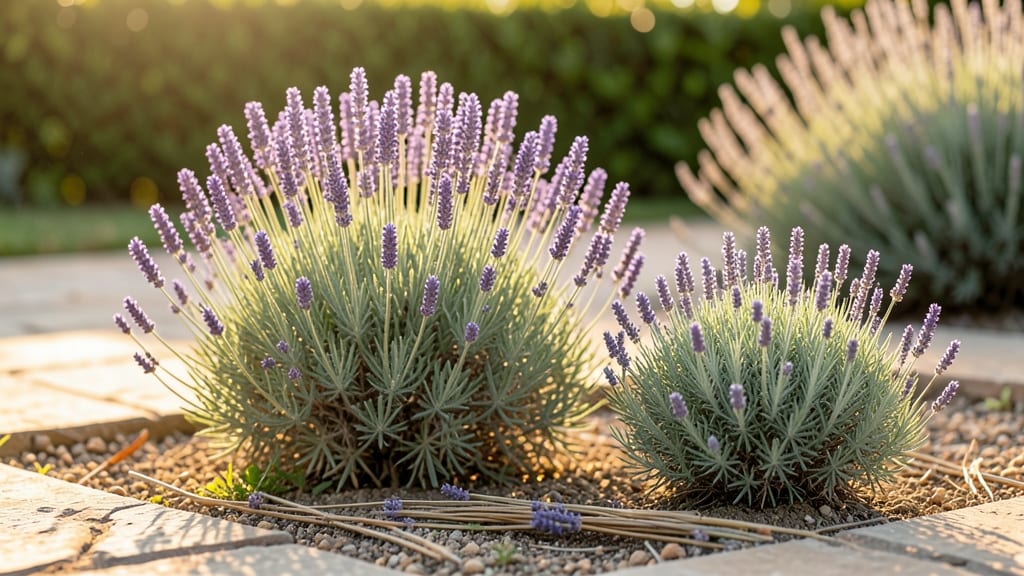
Wondering how tall your 🌿 lavender plants will grow? The answer depends entirely on the variety you choose—some stay as short as 8 inches, while others reach towering heights of 5 feet or more.
If you're planning a fragrant hedge or a low-maintenance border, picking the right lavender type could save you from years of overgrown frustration.
English lavender, for example, typically matures between 2 and 3 feet, making it perfect for borders or small gardens. Meanwhile, French lavender can stretch up to 4 feet, ideal for taller hedges or dramatic accents.
Spanish lavender, on the other hand, often stays compact, rarely exceeding 2 feet, which is great for containers or edging.
But here’s the kicker: height isn’t just about the variety—it’s also about how you care for your plants. Pruning at the right time, giving them the right amount of sunlight, and avoiding overwatering can all influence how tall (or short) your lavender grows.
Let’s break down the key factors so you can get the perfect height for your garden vision.
Whether you’re dreaming of a scented wall or a low-maintenance border, understanding lavender’s growth habits will help you create the look you love—without the guesswork. Ready to find out which variety fits your space best?


Lavender plant height by variety: compact vs. tall types explained
Choosing the right lavender variety starts with understanding their mature heights, which can vary dramatically from 8 inches to over 5 feet. This range lets you tailor your garden design—whether you need a low border or a fragrant hedge.
The key difference lies in their species: English lavender tends to be taller, while Spanish lavender often stays compact. Let’s break down the most popular types so you can pick the perfect fit for your space.
Before we dive into specifics, remember that lavender height depends on three main factors: genetics (variety), pruning habits, and growing conditions. A heavily pruned English lavender can stay under 2 feet, while a neglected Spanish lavender might sprawl beyond its typical range.
Always check the mature height label when buying plants, as nurseries often sell them at different stages of growth.
Here’s the visual comparison you’ve been waiting for—where each lavender type’s minimum, average, and maximum heights are laid out side by side for easy planning. Use this as your guide when sketching garden layouts or selecting varieties for containers.
Take English lavender varieties like 'Hidcote' and 'Munstead' as your tallest options, perfect for creating privacy screens or dramatic backdrop plants. Their upright growth makes them ideal for formal garden designs, but they’ll need regular pruning to maintain shape.
If you’re working with limited vertical space, opt for dwarf English lavender like 'Loddon Pink', which
How to control lavender height: pruning and care tips for optimal growth
Controlling your lavender plant height starts with understanding its natural growth patterns. Most varieties mature between 1 to 3 feet, but without proper care, they can become leggy or woody. The key to maintaining a compact, bushy shape lies in strategic pruning and consistent maintenance.
I’ve pruned lavender for years, and I’ve learned that timing, technique, and environmental factors all play critical roles in shaping your plants.
Before diving into pruning, it’s essential to recognize that lavender grows best in full sun and well-draining soil. These conditions naturally encourage a taller, more robust plant, but they also make pruning mistakes more noticeable.
For example, over-pruning can stress the plant, leading to stunted growth or even death. That’s why I always recommend starting with a light touch and gradually adjusting based on your lavender’s response.
⚠️ Warning: Over-Pruning Can Kill Lavender
Lavender stores nutrients in its woody stems. Cutting back more than 1/3 of the plant at once removes these reserves, leaving it vulnerable to disease and rot. Always prune gradually—never strip the plant bare!
🌿 Pro Tip: If your lavender looks sad after pruning, it’s likely overdone.
Timing your pruning is just as important as the technique. The best time to prune lavender is right after flowering, typically in late summer or early fall. This allows the plant to recover before winter dormancy.
I avoid pruning in spring or early summer because new growth is tender and more susceptible to damage. For container-grown lavender, you can prune lightly in spring to encourage bushiness, but never cut into old wood.
When pruning, use clean, sharp shears to make precise cuts. Avoid tearing the stems, which can introduce bacterial infections. I like to shape my lavender into a rounded dome by trimming the outer stems just above a set of leaves.
This encourages new growth at the base while maintaining the plant’s natural form. For taller varieties like English lavender, I might prune more aggressively to keep them under 3 feet, while dwarf varieties like Lavandula stoechas only need minimal trimming to stay under 1 foot.
Environmental factors also influence lavender height. For instance, poor drainage can cause the plant to stretch toward the light, leading to leggy growth. Always plant lavender in sandy or gravelly soil to prevent root rot.
Additionally, overwatering encourages taller, weaker stems, while drought conditions promote a stockier, more compact plant. I’ve found that mulching around the base with gravel or pebbles helps maintain ideal soil conditions and discourages overwatering.
Finally, don’t forget that lavender’s height is also influenced by its variety and age. Younger plants grow more quickly, while mature lavender may only add a few inches per year.
If you’re growing lavender for hedges or borders, I recommend spacing plants 18 to 24 inches apart to allow for natural growth and air circulation. With the right care, your lavender will thrive at the perfect height for your garden design! ✂️