
Plants
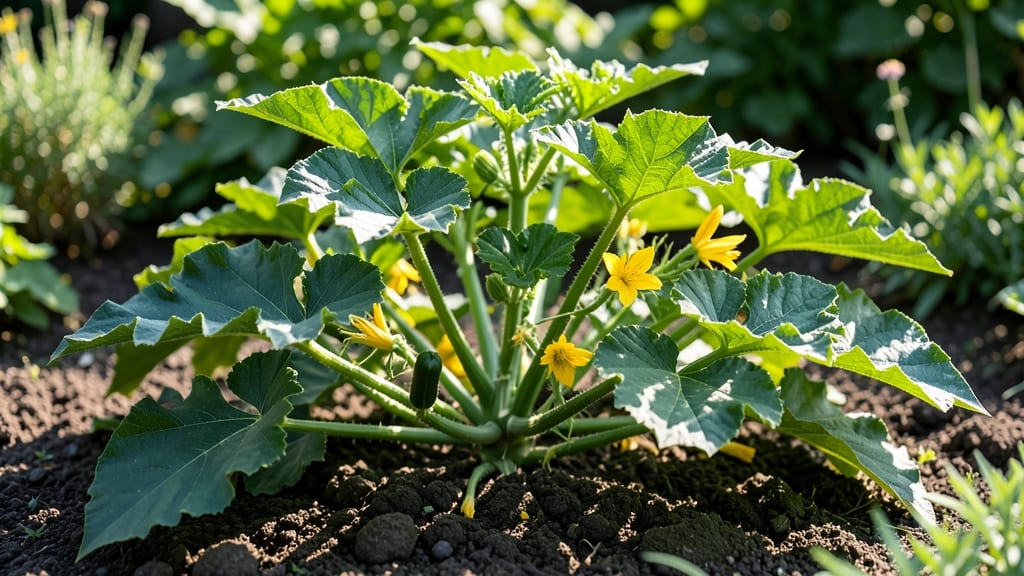
If you’ve ever wondered how tall zucchini plants grow, the answer might surprise you—especially if you’re working with limited garden space. These fast-growing veggies can stretch from just 1 foot for compact varieties to towering 6 feet for vining types, making spacing and support decisions critical for a bountiful harvest.
Most gardeners assume all zucchini plants need wide-open spaces, but the truth is far more flexible. Bush varieties stay short and bushy, while vining types climb like mini-trellis champions.
Knowing the height range helps you plan your garden layout—whether you’re squeezing plants into containers or letting them sprawl across a raised bed.
What’s even more interesting is how quickly these plants grow. Within 50 days of planting, you could be dealing with a zucchini jungle if you don’t manage their height early.
The good news? With the right techniques—like pruning, trellising, or choosing dwarf varieties—you can control their growth and maximize your yield, even in small spaces.
Ready to turn your garden into a zucchini powerhouse? Let’s break down the height stages, space-saving tricks, and the best varieties for your setup—so you can grow more with less fuss.


Zucchini plant height stages: from seedlings to full growth
Understanding how tall zucchini plants grow is the first step to planning a productive garden. These plants don’t just pop up overnight—they progress through distinct height stages, each requiring different care.
The journey starts with delicate seedlings and ends with towering vines or compact bushes, depending on the variety. Knowing these stages helps you anticipate growth patterns and adjust your garden layout accordingly.
Most gardeners assume zucchini plants will sprawl uncontrollably, but the truth is more nuanced. Some varieties stay under 2 feet tall, while others climb to 6 feet or more.
The key difference lies in whether you’re growing bush types (compact) or vining types (climbing). This distinction isn’t just about aesthetics—it directly impacts spacing, trellising needs, and even your harvest potential.
Let’s break down the height progression by growth stage, including visual cues to spot each phase. This will help you predict how much space to allocate and when to provide support. Whether you’re a beginner or a seasoned gardener, these insights will transform how you approach zucchini cultivation.
The seedling stage is where it all begins. In the first 3 weeks, your zucchini will grow from a tiny sprout to a sturdy 4–8-inch plant. During this phase, focus on keeping the soil moist and protecting seedlings from pests like squash bugs.
This is also the time to thin seedlings if you planted them too closely—giving each plant 12–18 inches of space prevents overcrowding later.
By the time you reach the vegetative growth stage (weeks 4–6), your plants will start putting on serious height. Bush varieties typically reach 1–2 feet, while vining types can stretch to 4 feet or more.
This is when you’ll notice the first signs of their growth habit—bush types stay low and bushy, while vining types begin to sprawl. If you’re growing vining varieties, consider installing a trellis or cage early to avoid tangled messes later.
The flowering stage (weeks 6–8) is one of the most exciting phases. Your plants will burst into bloom with bright yellow flowers, and you’ll start seeing the first signs of zucchini forming.
This is also when height differences become most apparent: bush varieties max out around 2–3 feet, while vining types can climb to 5–6 feet. If your vining plants aren’t supported, they’ll sprawl across the ground, competing for space and nutrients with nearby plants.
Once you hit the fruiting stage (weeks 8–12+), your zucchini plants will enter their prime. Bush varieties maintain their compact height of 2–3 feet, while vining types can reach their full 6-foot potential.
This is when regular harvesting becomes critical—leaving zucchini on the vine too long can slow down new fruit production. It’s also a good time to monitor for pests like cucumber beetles and diseases like powdery mildew, which thrive in dense foliage.
In the mature stage, your zucchini plants will be at their peak height and productivity. Bush varieties stay between 2–3 feet, making them ideal for small gardens or containers. Vining types, on the other hand
Space-saving techniques for growing zucchini in small gardens
If your garden space is limited, don’t let zucchini plants intimidate you. With the right techniques, you can grow these prolific producers in even the tightest corners. The key lies in controlling their height and spread—whether through vertical support, strategic pruning, or container gardening.
Most bush varieties stay under 2 feet tall, while vining types can reach 6 feet if left unchecked. By harnessing these space-saving methods, you’ll turn your small garden into a zucchini-growing powerhouse.
One of the simplest ways to manage zucchini height is by choosing dwarf or bush varieties like 'Eight Ball' or 'Patio Star,' which mature at just 1-2 feet tall. These compact plants are perfect for containers, raised beds, or small in-ground plots.
Even if you’re growing taller varieties, techniques like trellising or pruning can keep their sprawl in check. The goal is to maximize your yield without sacrificing your garden’s layout—or your sanity when weeds start creeping in.
Here’s how to control zucchini growth effectively, with actionable steps for each method:
- 1
- 2
- 3
- 4
- 5
For container gardening, select a pot that’s at least 12 inches deep and 18 inches wide for bush varieties. If you’re growing vining types, opt for a taller container or a 5-gallon fabric grow bag with a trellis attached.
Remember, zucchini plants are heavy feeders, so add compost or balanced fertilizer every 4-6 weeks to support their rapid growth. This ensures your space-saving efforts don’t come at the cost of a poor harvest.
Another clever trick is to use companion planting with tall plants like sunflowers or corn. These act as natural trellises, allowing zucchini vines to climb while also providing shade for your garden’s floor.
Just make sure the zucchini doesn’t overshadow your sunflowers—balance is key! With these techniques, you’ll be harvesting bountiful zucchini without needing a sprawling backyard.
Don’t forget to monitor your plants regularly. If you notice uncontrolled sprawling, prune aggressively to redirect energy. And if you’re growing in containers, check the soil moisture daily during hot weather—zucchini in pots dry out twice as fast as in-ground plants.
With a little planning, your small garden can become a zucchini paradise.