
How To
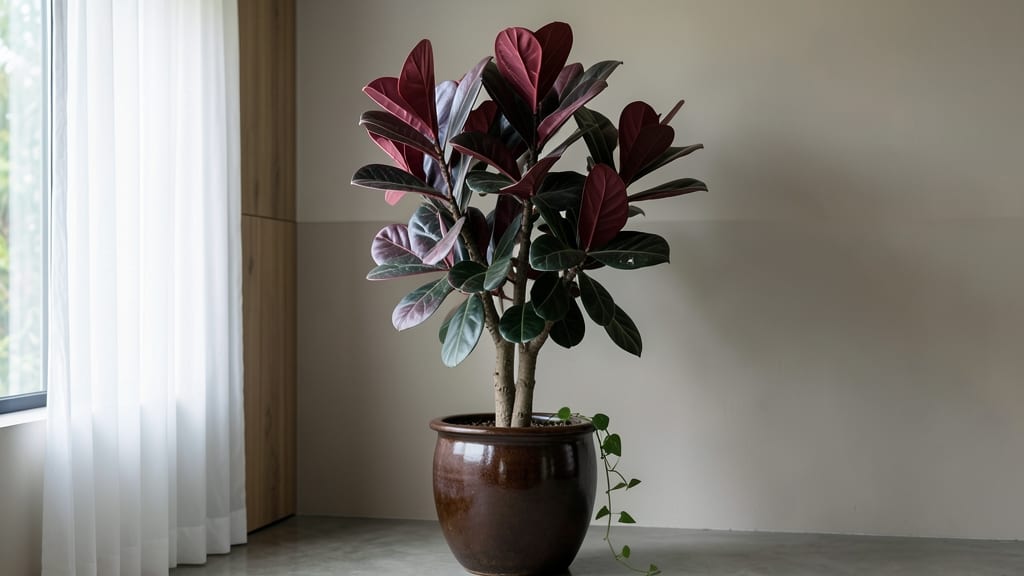
Wondering how tall your rubber plant 🌿 could grow if you gave it the perfect conditions? These tropical beauties can stretch toward the ceiling—sometimes reaching 10 feet indoors with the right care, but their growth depends on more than just space.
If you're working with limited room, don't worry—there are ways to keep your rubber plant at a manageable height while still enjoying its lush, glossy leaves. The key is understanding how varieties like the classic Ficus elastica or variegated types respond to light, pot size, and pruning.
In this guide, I’ll break down exactly what to expect from your rubber plant’s height over time, whether you’re growing it as a floor-filling statement piece or a compact desk companion.
You’ll also discover pro tips for controlling its growth so it fits your space—no matter how ambitious (or space-conscious) you are.
Ready to turn your rubber plant into the perfect-sized centerpiece? Let’s dive into the factors that shape its height and how you can guide it to your ideal size.


Rubber plant height limits: indoor growth expectations by variety
Rubber plants (Ficus elastica) are famous for their bold, glossy leaves and dramatic growth potential. In ideal indoor conditions, these tropical plants can grow 6 to 10 feet tall, but their height depends heavily on the variety and care conditions.
Understanding these factors helps you plan for space and manage growth effectively.
Most rubber plant varieties thrive indoors with proper light and care, but some grow faster than others. For example, the standard rubber plant can reach ceiling height in just a few years, while compact varieties stay under 3 feet.
Let’s explore the height expectations for popular types and what influences their growth.
| Variety | Mature Height | Growth Rate | Light Needs | Notes |
|---|---|---|---|---|
| Standard Rubber Plant | 6–10 ft | Fast | Bright indirect | Classic deep green leaves; needs pruning to control height. |
| Variegated (e.g., 'Tineke') | 4–8 ft | Moderate | Bright indirect | Pink/cream variegation; slower growth than standard types. |
| Compact (e.g., 'Burgundy') | 3–5 ft | Slow to moderate | Low to bright indirect | Darker foliage; ideal for small spaces. |
| Miniature (e.g., 'Petite') | 1–3 ft | Slow | Low light tolerant | Perfect for desks or shelves; minimal pruning needed. |
| Outdoor (if grown outside) | 10–15 ft | Very fast | Full sun to partial shade | Requires USDA Zone 10+; not typical for indoor growth. |
Light exposure is the biggest factor in determining how tall your rubber plant grows. Place your plant near an east or north-facing window for bright indirect light, which encourages steady growth without stretching. Avoid direct sunlight, which can scorch leaves and cause uneven growth patterns.
Pot size also plays a role. Rubber plants grow faster when root-bound, so choose a container that’s only 1–2 inches larger than the plant’s current root ball. Upgrading to a larger pot too soon can lead to excessive height growth as the plant focuses on filling the extra space.
Fertilizer use affects height too. During the spring and summer growing season, feed your rubber plant with a balanced fertilizer (10-10-10) every 4–6 weeks. Over-fertilizing can cause rapid, leggy growth, while under-fertilizing may stunt height potential. Always water thoroughly after fertilizing to avoid root burn.
Pruning is essential for managing height. If your rubber plant starts to outgrow its space, trim the top stems just above a leaf node to encourage bushier growth. You can also propagate cuttings to create new plants, giving you both height control and free propagation material!
Temperature and humidity matter too. Rubber plants thrive in 65–80°F temperatures and 40–50% humidity. If your home is dry, consider using a pebble tray or humidifier to keep leaves lush and growth steady. Low humidity can cause slower growth and smaller leaves.
Finally, remember that patience pays off. A rubber plant’s first year focuses on root establishment, so expect 1–2 feet of growth. By year three, with proper care, you’ll see dramatic height increases.
Monitor your plant’s growth habits and adjust care as needed to keep it thriving at your desired size.
With the right variety and conditions, your rubber plant can become a stunning indoor centerpiece—whether you prefer a towering statement plant or a compact desk companion. 🌿
How to control rubber plant height for small spaces
Keeping your rubber plant (Ficus elastica) compact in small spaces is totally achievable with the right techniques. These tropical plants naturally grow 6-10 feet tall indoors, but with strategic pruning and care, you can maintain a 3-5 foot height perfect for apartments or offices.
The key lies in understanding how to slow vertical growth without stunting overall health.
First, recognize that rubber plants grow fastest in bright indirect light and warm conditions. If your space lacks these, growth will naturally slow. However, even with ideal conditions, you can control height through pruning methods and root management.
The good news? Pruned stems can even root in water, giving you free plant babies!
Here’s how to manage your rubber plant’s height effectively:
Remember, rubber plants are resilient. Even if you prune aggressively, they’ll bounce back with vibrant new growth. Just avoid cutting more than 1/3 of the plant at once, or you might stress the roots. For best results, combine these techniques with consistent watering and bright indirect light.
With these methods, your rubber plant will stay lush and manageable, adding tropical charm to your space without overwhelming it. Happy pruning! 🌿✂️🪴