
How To
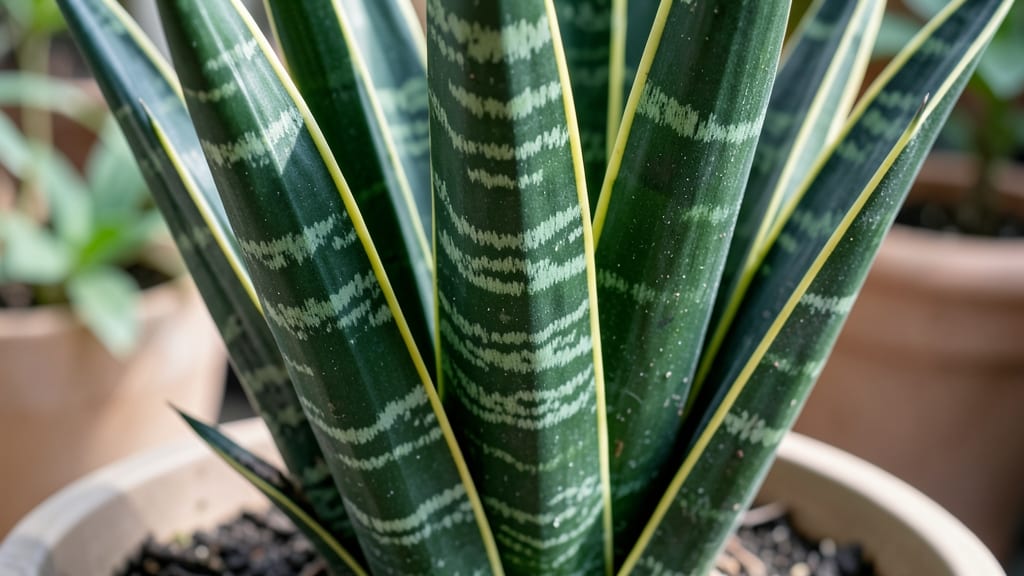
If your snake plant 🌱 has been slowly creeping toward the ceiling, you might be wondering just how tall it can actually grow. The answer isn’t one-size-fits-all—some varieties stay compact, while others stretch dramatically, and the difference often comes down to the species and how you care for it.
For example, the classic Sansevieria trifasciata (also called mother-in-law’s tongue) can reach 3 to 4 feet tall in ideal conditions, while the dwarf varieties like S. hahnii stay a modest 1 to 2 feet.
Whether you’re dealing with a towering specimen or a petite houseplant, understanding these growth patterns helps you plan your space—and avoid that awkward moment when your plant outgrows its spot.
Growth speed also depends on factors like light exposure, soil quality, and even the pot size. A snake plant in bright, indirect light will grow faster than one tucked in a dim corner, and repotting into a larger container can give it a growth boost.
The key is balancing these elements to keep your plant happy without it turning into a jungle.
In this guide, I’ll break down the exact height ranges for popular varieties, share tips to control growth, and debunk myths about indoor vs. outdoor size differences.
By the end, you’ll know exactly what to expect—and how to keep your snake plant at your ideal height, whether that’s ceiling-high drama or a neat little accent piece.


Snake plant height by variety: exact growth expectations
If you’ve ever wondered whether your snake plant will eventually reach ceiling height or stay manageably small, you’re not alone—this resilient plant’s growth habits surprise even seasoned gardeners. The height of a snake plant (genus Sansevieria) varies dramatically by variety, with some reaching towering heights while others remain compact.
Understanding these differences helps you choose the perfect plant for your space and manage expectations for its growth trajectory.
Most snake plants grow vertically over time, but their mature sizes differ significantly. For example, the common snake plant (Sansevieria trifasciata, also called 'Mother-in-Law’s Tongue') can stretch up to 3-4 feet tall indoors, while dwarf varieties like 'Hahnii' stay under 2 feet.
These differences aren’t just about aesthetics—they also impact care needs, like sunlight exposure and container size.
The key to predicting your snake plant’s height lies in its variety and growing conditions. While some varieties grow steadily upward, others spread horizontally, creating a bushier appearance.
Below, I’ve compiled exact height expectations for the most popular snake plant varieties, including their growth patterns and mature sizes for easy comparison.
🌱 Pro Tip: Snake plants grow slowly compared to other houseplants, with most reaching 50% of their mature height in the first 2-3 years. Patience is key—rushing growth with overwatering or excessive fertilizer can backfire and stunt your plant’s development.
| Variety | Mature Height | Growth Pattern | Notes |
|---|---|---|---|
| Sansevieria trifasciata 'Laurentii' | 3–4 ft | Vertical, upright leaves | Most common variety; yellow edges |
| Sansevieria trifasciata 'Futura Superba' | 2–3 ft | Bushy, compact clusters | Dwarf variety; dark green with light edges |
| Sansevieria cylindrica | 1–2 ft | Cylindrical, rosette-forming | Slow-growing; unique cylindrical leaves |
| Sansevieria hahnii 'Bird’s Nest' | 1–1.5 ft | Bushy, rosette shape | Dwarf; popular for small spaces |
| Sansevieria 'Moonshine' | 2–3 ft | Vertical, wide leaves | Variegated; bright yellow-green |
| Sansevieria 'Black Gold' | 2–3 ft | Upright, dark foliage | Deep purple-black leaves |
As you can see, the 'Laurentii' variety is the tallest, often reaching ceiling height in ideal conditions, while 'Hahnii' stays compact and bushy, making it perfect for desks or shelves.
The cylindrical snake plant (S. cylindrica) is a unique exception, growing in a rosette pattern rather than vertically, which affects how it fills space in your home.
One common misconception is that all snake plants grow equally tall indoors and outdoors. In reality, outdoor-grown snake plants often reach their maximum height faster due to better light exposure and larger root systems.
Indoors, growth slows slightly, but with proper care—like placing your plant near a bright, indirect light source—you can still achieve near-maximum heights.
If you’re planning to grow a snake plant in a small apartment, consider dwarf varieties like 'Hahnii' or 'Futura Superba'. These stay under 2 feet and thrive in tight spaces, making them ideal for offices or studios.
For larger rooms, the 'Laurentii' or 'Moonshine' varieties add dramatic vertical interest and can even serve as natural room dividers.
When choosing a pot, remember that root-bound snake plants grow taller faster. Upgrade to a container that’s only 1-2 inches larger in diameter than your plant’s current root ball to encourage vertical growth. Over-potting can lead to slower height development as the plant focuses on filling the extra space horizontally.
For those with high ceilings, a tall snake plant like 'Laurentii' can become a stunning architectural feature. Pair it with companion plants like a ZZ plant or pothos to create a layered, lush display.
Just be mindful of the light needs—taller varieties may require slightly more brightness to maintain their vibrant colors and upright growth.
🌿 Whether you’re a beginner or a seasoned plant parent, knowing your snake plant’s height expectations helps you plan for its care and placement. With the right variety and conditions, your snake plant can thrive for decades, becoming a cherished part of your indoor jungle.
How fast snake plants grow: stages and factors affecting height
Understanding your snake plant's growth stages helps you predict its vertical development and adjust care accordingly. Unlike fast-growing houseplants, snake plants (Sansevieria) grow at a moderate pace, with distinct phases that influence their final height.
The journey from a small pup to a towering foliage statement takes patience—but the results are worth it.
Most snake plant varieties follow a predictable growth pattern: a juvenile phase of rapid leaf production, a mature phase where height increases steadily, and a slowdown phase in older plants. Environmental factors like light exposure, soil quality, and watering habits can accelerate or delay these stages significantly.
For example, a Sansevieria trifasciata in bright indirect light may reach 3 feet in 3 years, while the same plant in low light could take twice as long.
- Juvenile Stage (0-2 years): Rapid leaf production (1-2 new leaves/year). Height increases by 6-12 inches annually with ideal care.
- Mature Phase (2-5 years): Height accelerates to 12-18 inches/year. Leaves thicken and develop distinct variegation. This is peak growth for most varieties.
- Slowdown Phase (5+ years): Growth rate drops to 3-6 inches/year. Focus shifts to leaf maintenance rather than height gains. Older plants may produce pups instead of taller leaves.
- Environmental Accelerators: Bright indirect light + well-draining soil can push growth by 30-50% during the mature phase. Overwatering or compacted soil stunts height by up to 40%.
- Variety-Specific Notes: Sansevieria hahnii (Bird's Nest) stays 1-2 feet tall due to its bushy growth habit, while S. cylindrica can reach 4 feet with optimal conditions.
Light is the single most critical factor for vertical growth. Snake plants thrive in bright indirect light, which triggers chlorophyll production and elongates leaves.
Place your plant near an east-facing window for 6-8 hours of morning sun, or use a grow light for 12-14 hours/day to maximize height gains. Avoid direct midday sun, which can scorch leaves and slow growth by 20-30%.
Soil composition directly impacts root development, which in turn affects how tall your snake plant grows. Use a fast-draining mix of cactus soil, perlite, and orchid bark (60:20:20 ratio) to prevent root rot.
Repot every 2-3 years or when roots outgrow the container, as root-bound plants grow 50% slower in height. Always use a pot with drainage holes—this simple step can add 6-12 inches to your plant's mature height.
Watering habits might seem counterintuitive, but underwatering is far better than overwatering for height growth. Snake plants store water in their leaves, so deep but infrequent watering (every 2-3 weeks) encourages taller, stronger stems.
Water only when the top 2-3 inches of soil are completely dry, and always water in the morning to reduce fungal risks. Overwatered plants develop mushy stems and stunted growth, often failing to reach their genetic height potential.
Patience is key when growing snake plants to their full height. While some varieties like Sansevieria 'Futura Superba' can reach 4 feet in 5 years, others like 'Hahnii' max out at 18 inches.
Track your plant's growth by marking the pot's rim with a permanent marker and measuring new leaf height monthly. With the right conditions, you'll see visible height gains of 1-2 inches per month during the mature phase—proof that slow and steady truly wins the race.