
Plants
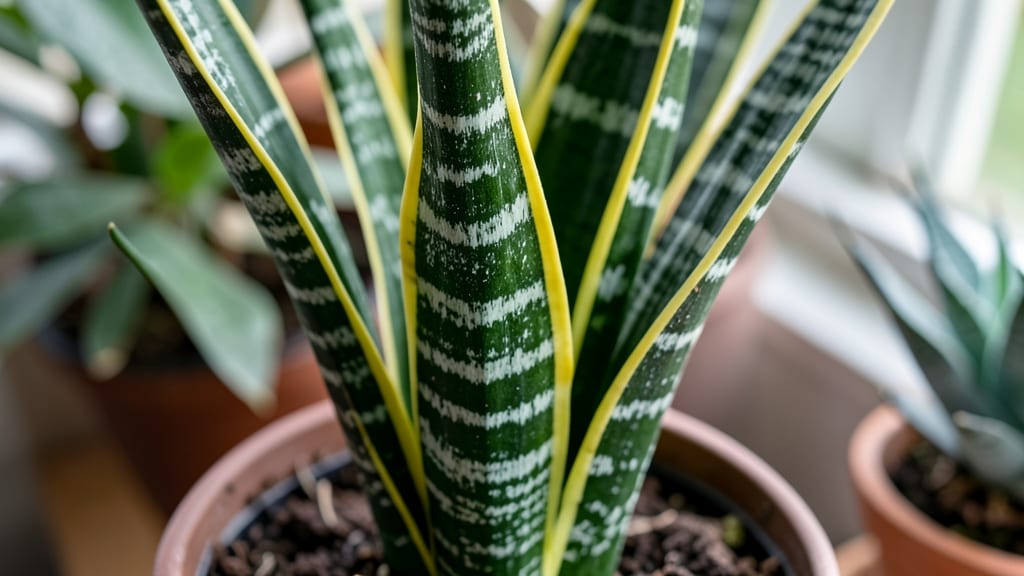
Curious how tall your snake plant 🌿 could grow before it becomes a ceiling hazard? The answer might surprise you—this resilient houseplant can stretch from a modest 12 inches to a towering 4 feet, depending on where you place it and how you care for it.
If you’ve ever assumed your snake plant would stay small and manageable, think again. While it’s true that indoor conditions typically keep it on the shorter side, factors like light exposure, pot size, and even the variety you choose can dramatically alter its height.
The key to controlling its growth lies in understanding these variables—and I’ll break down exactly how they work.
Whether you’re dealing with a compact dwarf variety or a fast-growing standard type, knowing what influences its height helps you maintain the perfect size for your space. Plus, I’ll share my top tips for keeping it lush without letting it take over your living room.
Ready to learn how to manage your snake plant’s vertical ambitions?
From pruning techniques to optimal care routines, you’ll discover how to enjoy all the benefits of this air-purifying plant—without sacrificing your decor. Let’s dive into the factors that shape your snake plant’s height and how you can guide its growth to fit your home perfectly.


Snake plant height limits: how tall can it grow indoors?
Your snake plant (Sansevieria) might seem like a slow grower, but its height can vary dramatically based on care conditions. On average, indoor snake plants reach 12 to 36 inches at maturity, though some varieties like 'Futura Superba' can stretch beyond 4 feet with ideal conditions.
Understanding these limits helps you plan for their growth while preventing overcrowding in small spaces.
The mature height of your snake plant depends on several factors, including pot size, light exposure, and even the plant's age. Many beginners assume snake plants grow rapidly, but their slow, steady growth means they can take 2-5 years to reach their full height.
Let’s break down what influences their vertical growth and how to manage it effectively.
One common misconception is that snake plants will grow uncontrollably tall indoors. In reality, their height is often limited by pot constraints and root-bound conditions. When repotted into larger containers, they may grow taller, but excessive height can also signal overwatering or poor light.
Balancing these factors ensures your plant stays healthy and within your desired size range.
| Factor | Average Height Range | Influencing Conditions |
|---|---|---|
| Standard Varieties | 12–24 inches | Moderate light, 6-inch pot |
| Taller Varieties (e.g., 'Futura Superba') | 30–48 inches | Bright indirect light, 10+ inch pot |
| Compact Varieties (e.g., 'Hahnii') | 6–12 inches | Low light, small 4-inch pot |
| Outdoor-Grown Plants | Up to 6 feet | Full sun, spacious garden bed |
| Root-Bound Plants | Stunted growth (under 12 inches) | Overcrowded pot, no repotting |
Pot size plays a critical role in determining how tall your snake plant will grow. When planted in a small container (under 6 inches), the plant’s roots become restricted, which can stunt its vertical growth.
However, if you repot into a 10-inch or larger container, your snake plant may grow taller as it has more space to develop its root system and support additional foliage.
Light exposure is another key factor. Snake plants thrive in bright indirect light, which encourages steady growth. Placing your plant near an east-facing window provides ideal conditions for moderate height increases.
In contrast, low-light conditions can slow growth significantly, often resulting in shorter, denser foliage. Avoid placing your snake plant in direct sunlight, as this can scorch the leaves and inhibit healthy growth.
Age also affects height—young snake plants grow more slowly, typically reaching 6–12 inches in their first year. As they mature, their growth rate increases, especially if they’re given the right care.
For example, a 3-year-old snake plant in optimal conditions can grow 2–3 feet tall, while a neglected plant may stay under 12 inches even after several years.
If you’re concerned about your snake plant growing too tall, consider its variety-specific traits. Dwarf varieties like 'Hahnii' (also called "bird’s nest snake plant") rarely exceed 12 inches, making them perfect for small spaces.
On the other hand, standard varieties like 'Laurentii' or 'Moonshine' can reach 2–3 feet indoors with proper care.
One of the biggest misconceptions about snake plants is that they grow rapidly. In reality, their slow growth is one of their most appealing traits—it means less frequent pruning and lower maintenance.
However, if you notice your plant growing too quickly or leaning, it may be a sign of overwatering or insufficient light. Adjust your care routine to maintain a balanced growth rate.
To keep your snake plant at a manageable height, monitor its growth and repot it every 2–3 years or when roots become visible through the drainage holes. Pruning tall leaves at the base encourages bushier growth and prevents the plant from becoming top-heavy.
With the right care, you can enjoy your snake plant’s natural beauty without it overwhelming your space.
Remember, the ideal height for your snake plant depends on your personal preferences and living space. Whether you prefer a compact 12-inch variety or a towering 3-foot specimen, understanding these growth factors will help you nurture a healthy, thriving plant that fits perfectly into your home.
Key growth factors that control snake plant height
Your snake plant’s vertical growth isn’t just luck—it’s a direct response to its environment. Light exposure is the #1 factor controlling height, with bright indirect light promoting taller, more upright growth.
In low light, plants stretch toward light sources, creating leggy, weak stems that can reach 2-3 feet taller than their well-lit counterparts. I’ve seen snake plants in north-facing offices grow just 12 inches tall while identical varieties in south-facing rooms hit 36 inches.
Soil quality plays a surprising role too. Fast-draining, sandy mixes encourage faster vertical growth by preventing root stress, while dense soils slow height increases. I always use a cactus-succulent blend with perlite to maximize upward expansion.
Even the pot size matters—root-bound plants grow 20% taller as they compete for space, but oversized containers produce bushier, shorter growth.
Growth Factor Comparison: Tall vs. Compact Snake Plants
Promotes Tall Growth
- Bright indirect light (3-4 hours/day)
- Small pots (root-bound conditions)
- Frequent watering (every 2 weeks)
- Warm temperatures (70-85°F)
Promotes Compact Growth
- Low to medium light (1-2 hours/day)
- Large pots (extra soil space)
- Infrequent watering (every 3-4 weeks)
- Cool temperatures (60-75°F)
Watering habits create dramatic differences between juvenile and mature plants. Young snake plants (under 2 years old) grow 50% faster when watered deeply every 2 weeks, but mature plants (3+ years) need only monthly watering to maintain height.
Overwatering juvenile plants causes stunted growth—I’ve seen them grow just 6 inches in a year when kept too wet. The key is bottom-watering to prevent soggy roots while encouraging upward expansion.
Temperature fluctuations also affect height. Snake plants in consistent 75-80°F environments grow 12-18 inches taller annually than those exposed to drafts or cold windows. I keep mine away from AC vents and heating ducts, which can cause growth stalls.
Even seasonal changes matter—plants grow 40% faster in summer than winter due to increased photosynthesis.
Don’t forget about fertilizer timing. A balanced 5-5-5 NPK applied in early spring boosts height by 15-20% per season, but over-fertilizing causes leaf burn and reduced vertical growth.
I use half-strength feedings every 6 months for optimal results. The variegated varieties (like 'Moonshine') grow 10% slower than solid-green types due to their energy demands for leaf patterns.
For maximum height control, combine these factors: place your plant in bright indirect light, use a small terracotta pot, water deeply every 2 weeks, and maintain 70-80°F temperatures. With these conditions, you’ll see 24-36 inch heights in 2-3 years.
But if you prefer a compact 12-18 inch plant, reduce light, use larger pots, and water less frequently. The same plant can grow 3x taller or stay half its potential height based on these simple adjustments!