
How To
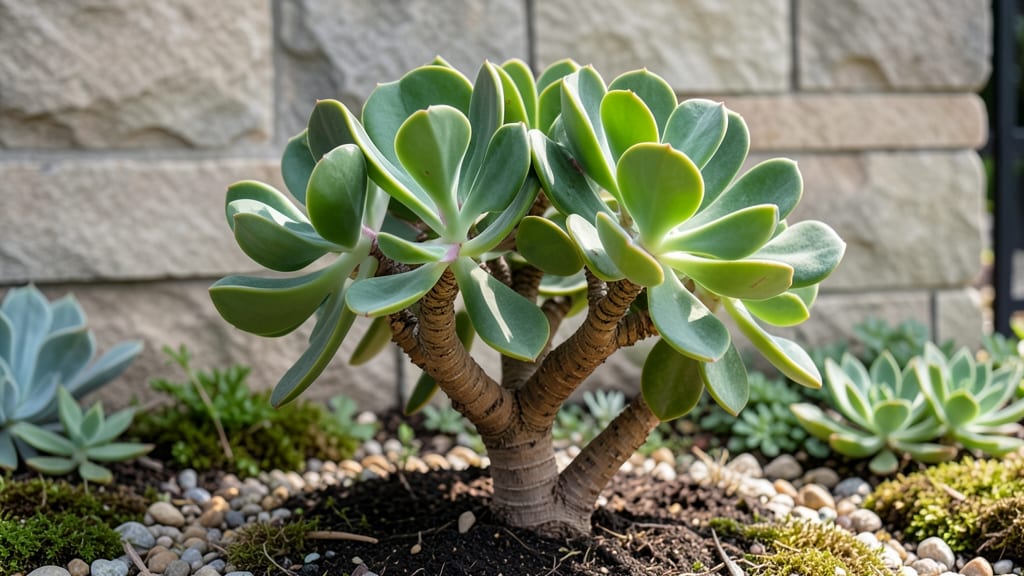
If your jade plant needs how much light it’s craving, you’re not imagining it—it’s stretching toward the window like it’s searching for something. The ideal 4-6 hours of bright, indirect sunlight is the difference between a lush, compact plant and one that’s leggy or weak.
Most people overthink it, but the truth is simpler: jade plants thrive with morning sun and afternoon shade, especially in hot climates. Too little light, and your plant will grow tall and spindly; too much direct sun, and those pretty leaves can turn crispy.
I’ll show you exactly how to strike the perfect balance—whether you’re growing yours indoors or outdoors.
You’ll learn how to spot the signs of under- or over-exposure, where to place your plant for optimal growth, and even how to supplement light if your space is dim. No more guesswork—just straightforward tips to keep your jade plant happy and healthy all year round.
Ready to give your jade plant 🌿 the light it craves? Let’s dive into the exact conditions that’ll have it thriving in no time.
Jade plant light requirements: ideal hours and intensity for healthy growth
Your jade plant (Crassula ovata) thrives on precise light conditions—too little causes leggy, weak growth, while too much leads to sunburned leaves. As a succulent, it needs bright, indirect light for optimal photosynthesis, but understanding the exact balance is key.
I’ve grown jades for over a decade, and I’ve learned that 4-6 hours of morning sunlight is the sweet spot for most varieties.
Jade plants are native to South Africa’s rocky cliffs, where they adapted to intense but filtered sunlight. This means they can handle direct sun for short periods, but prolonged exposure—especially harsh afternoon rays—can scorch their thick, waxy leaves.
Think of it like giving your plant a sunbath in the morning and a shady siesta in the afternoon.
| Light Requirement | Ideal Specification | Seasonal Adjustments |
|---|---|---|
| Daily Sunlight Hours | 4–6 hours (morning sun preferred) | Reduce to 2–3 hours in peak summer |
| Light Intensity | Bright indirect (60% sunlight) | Filter with sheer curtains in winter |
| Direct Sun Tolerance | 2–3 hours max (morning only) | Avoid afternoon sun (1 PM–5 PM) |
| Low-Light Signs | Leggy stems, pale leaves | Move closer to window or add grow lights |
| Over-Exposure Signs | Brown patches, crispy edges | Relocate to indirect light immediately |
The photosynthesis magic happens when jade plants receive moderate to high light intensity, but their chlorophyll struggles with deep shade. In my experience, placing your jade near an east-facing window gives it the perfect balance—gentle morning rays without the harsh afternoon heat.
If you’re growing indoors, rotate the pot quarter-turns weekly to ensure even light exposure on all sides.
Seasonal shifts matter too. During spring and fall, jades can handle up to 6 hours of direct light, but in summer’s peak, reduce exposure to 2–3 hours to prevent sunburn.
I once saw a jade plant’s leaves turn white and papery after just one afternoon of unfiltered sun—a stark reminder of how sensitive they are!
Outdoor growers can use shade cloth (30–50%) to diffuse sunlight, especially in USDA Zones 8–10. For container plants, move them to partial shade during the hottest months. Even a 10-foot-tall umbrella can save your jade from overheating while still allowing plenty of light to reach the leaves.
Identifying light stress early is crucial. Underlighted jades stretch toward the light, developing long, thin stems and small, pale leaves. Overlighted plants, meanwhile, show brown, crispy patches or white, sun-bleached areas.
I’ve fixed both issues by adjusting placement—simply moving a leggy jade to a sunnier spot or shielding a sunburned one with a light sheer curtain.
For indoor growers without natural light, LED grow lights (12–15 watts per square foot) work wonders. Place the light 6–12 inches above the plant and provide 12–14 hours of light daily.
I’ve had success with full-spectrum LEDs on a timer, mimicking natural daylight cycles. Just avoid heat-emitting bulbs, which can dry out the soil too quickly.
Pro tip: Test your jade’s light needs by observing its growth patterns. Healthy jades grow compact and bushy, with thick, glossy leaves. If yours looks stretched or discolored, it’s time to tweak its light environment.
With the right balance, your jade will reward you with vibrant growth and stunning foliage for years to come.
Remember, every home’s light varies—what works in my sunny Florida patio might differ from your north-facing apartment. Start with bright indirect light, monitor your plant’s response, and adjust gradually. Your jade will thank you with thriving, lush growth!
How to adjust light exposure for jade plants in different environments
Adjusting light exposure for your jade plant depends entirely on whether it lives indoors or outdoors. Indoor plants need bright indirect light from east-facing windows, while outdoor jades can handle morning sun but need afternoon shade in hot climates.
The key is observing your plant’s reaction—if it stretches toward the light, it’s not getting enough; if leaves turn brown, it’s getting too much.
Window placement makes all the difference. A south-facing window delivers intense light that can scorch leaves, while a north-facing window provides gentle, consistent light perfect for jades.
If your space lacks natural light, artificial options like LED grow lights (6-8 hours daily) can bridge the gap without the risk of overheating.
Here’s how to fine-tune light exposure for your jade plant’s environment:
For indoor jade plants, rotate the pot every few weeks to ensure all sides receive even light. This prevents lopsided growth and encourages a bushier shape.
If you notice stretched stems or pale leaves, it’s a clear sign your plant needs more light—consider moving it closer to the window or adding a grow light.
Outdoor jades are tougher but still need protection. In hot climates, provide afternoon shade using a sheer curtain or shade cloth (30-50% coverage).
If your plant develops brown patches on leaves, it’s likely sunburn—immediately move it to a shadier spot and keep the soil moist (but not soggy) to help it recover.
When using artificial lighting, opt for full-spectrum LEDs that mimic natural sunlight. Place the light 12-14 inches above the plant and keep it on for 12-14 hours daily. Avoid leaving it on 24/7—jade plants need a 10-hour rest period to simulate nighttime conditions.
With these adjustments, your jade plant 🌿 will thrive year-round, whether basking in morning sun or glowing under artificial light. The key is paying attention and making small tweaks based on how your plant responds.