
Companion Plants
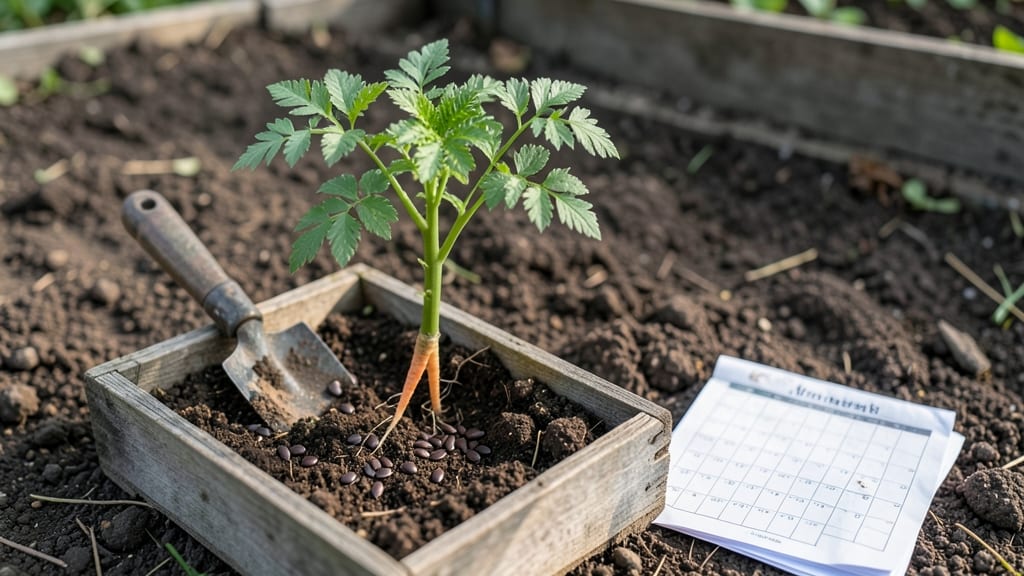
If you're asking "when can I plant carrots in Zone 6", timing is everything—because those little 🥕 seeds need the right soil temperature to sprout quickly (or they’ll just rot in the ground). Too early, and the cold slows germination to a crawl.
Too late, and you risk bolting before harvest. The secret? Plant when soil hits 40°F in early spring or again in late summer when temps stay below 85°F.
Most gardeners in Zone 6a-6b miss the fastest germination window by waiting for air temps to warm up—big mistake. Your carrots care about soil heat, not the thermometer on your porch.
I’ll show you exactly when to drop those seeds for reliable sprouts, plus how to adjust for rocky soil or short growing seasons.
Here’s the game-changer: Cold-hardy varieties like ‘Nantes’ or ‘Danvers’ can handle early spring plantings as soon as the ground thaws (March in most of Zone 6), while heat-tolerant types like ‘Yellowstone’ thrive in late summer. We’ll cover both strategies so you never waste seed packets again.
Ready to stop guessing? By the end, you’ll know the two best windows for Zone 6, how to test soil temp without fancy tools, and when to give up on fall harvests (spoiler: it’s not as late as you think). Let’s get those 🥕 growing!
Zone 6 carrot planting timeline: ideal soil temperatures for germination
Carrots thrive in Zone 6 when planted at the right time—soil temperatures between 40°F and 85°F are ideal for germination. Planting too early or late can lead to slow sprouting or failure.
I’ve learned the hard way that cool soil slows germination, while hot soil can dry out seeds before they sprout. The key is timing your plantings to match soil warmth and seasonal conditions.
In Zone 6, you have three primary planting windows: early spring, late summer, and fall. Each window offers different germination speeds and harvest times. For example, spring plantings (March–April) germinate faster in warming soil, while fall plantings (August–September) take longer in cooler conditions.
Understanding these windows will help you plan for a continuous harvest.
| Planting Window | Soil Temp Range (°F) | Germination Speed | Best Varieties |
|---|---|---|---|
| Early Spring (March–April) | 50°F–65°F | 7–14 days | 'Nantes', 'Danvers' |
| Late Summer (July–August) | 65°F–80°F | 5–10 days | 'Paris Market', 'Rainbow' |
| Fall (August–September) | 50°F–60°F | 14–21 days | 'Chantenay', 'Black Beauty' |
Your first planting window opens in early spring when soil temperatures consistently reach 50°F. This usually aligns with late March to early April in Zone 6, right after the last frost date.
I’ve found that using a soil thermometer is worth the investment—it helps you avoid planting too early when soil is still cold. Carrots planted in 50°F–65°F soil germinate in 7–14 days, depending on moisture levels.
For fastest germination, aim for soil temperatures between 65°F and 75°F. This sweet spot occurs in late summer (July–August), making it the second-best planting window. During this time, carrots like 'Paris Market' or 'Rainbow' varieties sprout in just 5–10 days.
However, be mindful of bolting—hot, dry conditions can cause carrots to flower prematurely, so keep soil moist and use shade cloth if temperatures exceed 85°F.
Fall plantings in Zone 6 are trickier but rewarding. Soil temperatures drop below 60°F by September, slowing germination to 14–21 days. I recommend planting cold-hardy varieties like 'Chantenay' or 'Black Beauty' in late August for a harvest before the first frost.
If you’re unsure about timing, use a row cover to extend the season and protect seedlings from early cold snaps.
One common mistake I see is planting carrots in soil warmer than 85°F. While germination may occur, the seeds can dry out before sprouting, leading to poor stands. To avoid this, water the soil thoroughly before planting and use mulch to retain moisture.
Additionally, succession planting every 2–3 weeks ensures a steady supply of fresh carrots throughout the growing season.
If you’re curious about indoor starts, know that carrots don’t transplant well, so direct sowing is always best. However, you can start seeds indoors in late winter (February) and transplant seedlings into the garden once soil temperatures reach 50°F.
This method gives you a head start, but be gentle when moving seedlings to avoid damaging the delicate roots.
For Zone 6 gardeners, remember that soil temperature is more critical than air temperature. A soil thermometer is your best tool for tracking conditions. Plant when soil is consistently above 40°F but below 85°F for the best results.
With the right timing, you’ll enjoy crisp, sweet carrots from early summer through fall.
🌱
5 Critical soil conditions for carrot success in Zone 6 gardens
Growing perfect carrots in Zone 6 isn't just about timing—your soil conditions make or break those sweet, straight roots. Even with ideal soil temperatures, poor soil structure or pH imbalances can leave you with stunted, forked, or bitter carrots.
Let’s focus on the five non-negotiable soil factors that ensure fast germination and premium harvests.
First, carrots demand deep, loose soil—at least 12 inches deep—to prevent forking. Rocky or compacted soil forces roots to twist, creating those frustrating forked carrots we all hate.
Next, moisture consistency is key: carrots need evenly moist soil but despise soggy conditions. A well-draining yet moisture-retentive soil mix is your golden ticket.
Don’t overlook pH balance—carrots thrive in slightly acidic to neutral soil (6.0–6.8 pH). Test your soil and adjust with lime or sulfur if needed.
A quick fix is adding compost, which naturally balances pH while improving soil texture. For straight carrots, avoid heavy clay soils that cause forking.
Finally, companion planting can boost your harvest. Pair carrots with onions, leeks, or rosemary to deter pests like carrot flies. Skip planting near dill or fennel, as their oils inhibit carrot growth. A simple trick: interplant radishes with carrots—the radishes mark rows and loosen soil as they grow.
With these five soil conditions mastered, you’ll enjoy faster germination, straighter roots, and a bountiful harvest of sweet, homegrown carrots—no more gnarled surprises! 🥕