
Plants
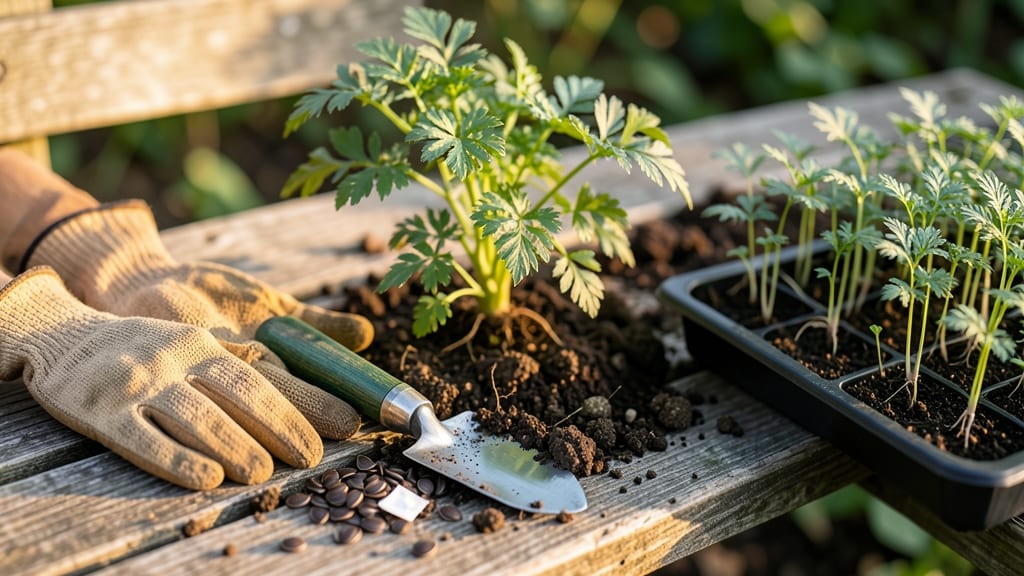
Planting carrots in Georgia at the wrong time can turn your crisp, sweet roots into bitter, woody messes—or worse, bolted greens before harvest.
The key to avoiding these common mistakes lies in knowing exactly when to sow your 🥕 seeds, whether you're in the Piedmont's cooler hills or the coastal plains' milder climate.
Most Georgia gardeners assume spring is the only window, but fall planting offers a second chance for harvests—just look at those November-December dates on your calendar. I’ll break down the perfect months for each region, including how to adjust for late frosts or summer heat that can stress young plants.
You’ll also discover how to extend your growing season with simple tricks like row covers or staggered plantings, ensuring a steady supply of fresh carrots year-round. No more guessing—just proven strategies tailored to Georgia’s unique climate.
Ready to grow carrots that stay sweet and crisp? Let’s dive into the month-by-month schedule that’ll transform your garden from hit-or-miss to harvest gold.
Georgia carrot planting calendar: month-by-month schedule for zero bolting
Georgia’s mild winters and hot summers create perfect conditions for two carrot crops per year—but timing is everything to avoid bolting (when carrots flower prematurely and turn bitter). The key is planting when soil temps stay between 50°F and 85°F, with cool spring and fall months being ideal.
North Georgia’s cooler microclimates (USDA Zone 7b) allow earlier plantings, while South Georgia’s warmer zones (8a) demand later starts to prevent heat stress.
Carrots thrive in Georgia’s 215 frost-free days, but bolting risk spikes when daytime temps exceed 75°F for prolonged periods. My strategy? Staggered plantings in early spring and late summer, with shade cloth for summer crops.
Let’s break down the exact month-by-month schedule tailored to your region, including soil prep tips and frost dates to maximize your harvest.
| Month | North GA (Zone 7b) | South GA (Zone 8a) | Soil Temp | Key Notes |
|---|---|---|---|---|
| January | ❄️ Prep beds only | ❄️ Prep beds only | 45-55°F | Test soil pH (6.0-7.0 ideal). Add compost. |
| February | 🌱 Start seeds indoors | 🌱 Direct sow outdoors | 55-65°F | Plant Danvers varieties first. Use row covers for frost protection. |
| March | 🌱 Direct sow outdoors | 🌱 Direct sow outdoors | 60-70°F | Last frost date: March 15. Thin seedlings to 2-3" apart. |
| April | 🌱 Succession plant every 2 weeks | 🌱 Succession plant every 2 weeks | 65-75°F | Stop planting by April 15 to avoid bolting. Use shade cloth if temps exceed 80°F. |
| May-July | 🌞 Harvest spring crop | 🌞 Harvest spring crop | 75-90°F | Harvest before May 30 to prevent bolting. Mulch heavily. |
| August | 🌱 Start fall crop (North GA) | 🌱 Start fall crop (South GA) | 70-80°F | Choose short-day varieties like Nantes. Water deeply at dusk. |
| September | 🌱 Direct sow for fall | 🌱 Direct sow for fall | 65-75°F | Last planting by September 15. Use black plastic mulch to warm soil. |
| October-November | 🍂 Harvest fall crop | 🍂 Harvest fall crop | 50-65°F | First frost: November 15. Harvest before ground free
How to adjust planting times for Georgia’s microclimates (and avoid common mistakes)Georgia’s diverse climate—from the coastal humidity of Savannah to the drier Piedmont of Athens—means one planting schedule doesn’t fit all. Urban gardens in Atlanta face heat islands that bake soil faster, while rural areas like Valdosta stay warmer longer. Even a 500-foot elevation change can shift your frost dates by 2 weeks. Ignoring these differences leads to bolted carrots or stunted growth. Soil type adds another layer: Clay-heavy soils in South Georgia hold moisture longer, while sandy loam in North Georgia dries out quicker. Without adjustments, you’ll either drown your roots or watch them shrivel. The key? Microclimate mapping and flexible planting windows. ⚠️ callout-warning
🌡️ Over-Planting Pitfall: Planting carrots in February in North Georgia (Zone 7b) risks cold soil and slow germination. Wait until soil reaches 60°F—often late March—to avoid rot and pests. In South Georgia (Zone 8a), you can start 2 weeks earlier, but watch for aphid outbreaks in warm, moist soil.
For urban gardeners, container planting solves soil inconsistencies. Use well-draining potting mix and plant in late March when sidewalks stop radiating heat at night. Rural gardeners can push fall plantings into mid-September if using row covers to delay frost. The trick? Test soil temps weekly—a simple soil thermometer prevents costly mistakes. Succession planting works best in Georgia’s 215-day frost-free window. Start with 2-week intervals from February to April, then repeat in August and September. For example, plant 1/3 of your seeds in February, another 1/3 in March, and the final 1/3 in April. This ensures a continuous harvest and reduces overcrowding risks. Extend your season with floating row covers—they add 2-4°F warmth and block carrot flies. In North Georgia, use them until mid-October; in South Georgia, push to November 1st. Just remove covers during 90°F+ days to prevent heat stress. Pair this with drip irrigation to maintain consistent moisture without wetting foliage. Pro tip: Mulch with straw to stabilize soil temps. In clay soils, add sand or compost to improve drainage. For sandy soils, mix in peat moss to retain moisture. These tweaks turn Georgia’s microclimates into advantages—not obstacles. With the right adjustments, you’ll harvest sweet, crisp carrots from May through December. 🥕 |