
Companion Plants
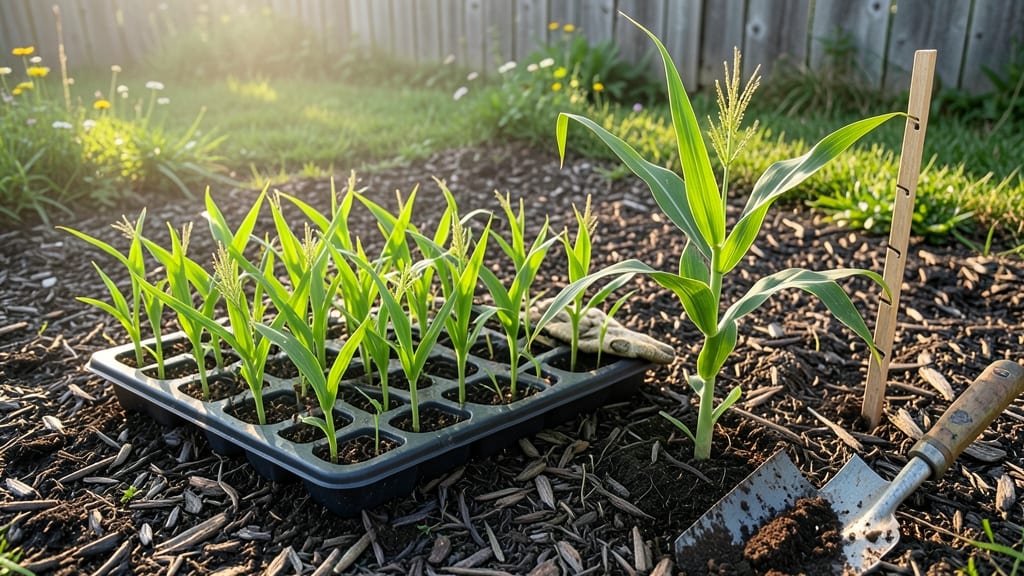
If you're eager to grow sweet, plump 🌽 in Zone 7, timing your corn planting right is the key to avoiding frost damage and maximizing your harvest. Planting too early risks stunted growth from lingering cold, while waiting too long may cut your yield short—especially when summer heat arrives.
The secret to success lies in soil temperatures and regional microclimates that can shift your planting window by weeks.
Most gardeners in Zone 7 aim to plant corn between mid-April and early June, but coastal areas may start a week earlier thanks to milder temperatures. Inland zones often need to wait until soil reaches 50-60°F for fast germination.
I’ll show you how to test your soil and adjust your schedule for the fastest, most reliable growth—so you’re not left guessing when to drop those seeds.
Beyond frost dates, the right corn variety and a few simple tricks—like mulching or using starter fertilizer—can stretch your planting window and boost yields. Whether you're a first-time grower or a seasoned pro, these insights will help you time your corn planting perfectly for Zone 7’s unique conditions.
Let’s dive into the details so you can enjoy a bumper crop this summer.
From soil thermometers to companion planting tips, I’ll cover everything you need to know to turn your garden into a corn patch that rivals the best farmers' markets. Ready to grow corn like a pro? Let’s get started.
Best planting dates for corn in Zone 7 based on soil temperature
Corn thrives when planted at the right time in Zone 7, where soil temperatures between 50°F and 60°F trigger fast germination. Planting too early risks frost damage, while waiting too long reduces yield potential.
The key is aligning your planting window with last frost dates and heat unit accumulation for optimal growth.
In most of Zone 7, the last frost date typically falls between mid-April and early May, but this varies by region. Coastal areas may experience later frosts, while inland zones like Virginia or Tennessee often warm up faster.
For best results, aim to plant corn 2-3 weeks after your average last frost date.
Corn requires 900-1,200 growing degree days (GDD) to reach maturity, calculated by averaging daily temperatures above 50°F. In Zone 7, this means starting seeds when soil temps consistently reach 60°F ensures strong germination and faster growth toward harvest.
Here’s a quick reference for your planting timeline in Zone 7, including soil temperature thresholds and frost-free windows:
| Planting Window | Soil Temperature | Last Frost Risk | Heat Units Needed | Harvest Window |
|---|---|---|---|---|
| Late April | 50-55°F | High (coastal) | 1,200+ GDD | Late August |
| Mid-May | 55-60°F | Low | 900-1,100 GDD | Early September |
| Early June | 60-65°F | None | 700-900 GDD | Mid-September |
For fastest germination, focus on planting when soil temps hit 60°F or warmer. In Zone 7, this usually aligns with mid-May in most areas, but check local frost data—some inland zones can plant as early as late April if soil warms quickly.
If you’re planting early corn (late April), use row covers or black plastic mulch to warm soil faster and protect seedlings. For late plantings (early June), choose short-season varieties like 'Early Sunglow' or 'Silver Queen' to ensure maturity before frost.
Corn also benefits from successive planting every 2 weeks to stretch your harvest window. For example, plant one batch in mid-May for early ears and another in early June for late-season corn. This strategy maximizes yield and freshness throughout summer.
Pro tip: Use a soil thermometer to monitor temps at 4-inch depth—this is where corn seeds germinate best. If temps dip below 50°F, germination slows dramatically, leading to uneven growth. Aim for consistent warmth to avoid stunted plants.
In Zone 7, the first frost typically arrives in mid-October, leaving about 180 frost-free days. Plan your planting schedule to ensure corn reaches tasseling stage (when pollen forms) by late July to guarantee pollination and ear development before cold sets in.
For coastal Zone 7 areas (like North Carolina or Georgia), delay planting until mid-May due to later frosts. Inland zones can start earlier, but always verify local frost dates—your extension office is a great resource for precise timing.
How to test soil temperature for corn germination success
Testing your soil temperature is the best way to ensure your corn seeds germinate quickly and grow strong. Corn thrives when soil reaches 50-60°F, but cooler temperatures slow germination and invite pests.
Without accurate readings, you might plant too early and risk frost damage or too late and miss peak growing conditions. I’ve learned that even a 5°F difference can mean the difference between a thriving crop and a failed attempt.
You don’t need fancy equipment—a simple soil thermometer (or even a reliable outdoor thermometer) will do the trick. The key is checking the temperature at the right depth and time of day.
Most gardeners focus on morning readings, but I’ve found that afternoon temperatures can give you a better sense of how warm the soil will stay overnight. This small adjustment has helped me avoid planting corn when nighttime temperatures still dip too low.
Place your thermometer 2-3 inches deep in the soil, which matches the depth you’ll plant your corn seeds. This mimics the environment your seeds will experience and gives you the most accurate reading.
If you’re planting in raised beds, check the temperature in the center where the soil is typically warmer. I’ve noticed that raised beds can be 5-10°F warmer than in-ground soil, which is perfect for extending your planting window.
⚠️ callout warning⚠️ Common Mistake: Planting Based on Air Temperature
Air temperature can be misleading—soil warms up more slowly than the air, especially in spring. I once planted corn in early April because the daytime air was in the 70s, but the soil was still only 45°F. The seeds took 3 weeks to germinate, and many rotted before sprouting. Always check soil temperature, not just air temperature, to avoid this costly mistake.
Pro Tip:
- Check soil temp for 3 consecutive days at 10 AM.
- Plant when it’s consistently 50°F or warmer.
- Use a minimum-maximum thermometer to track daily fluctuations.
For the most reliable results, take soil temperature readings for 3-5 days before planting. This helps you spot trends and avoid planting on a single warm day that might be an anomaly.
I like to record my readings in a small notebook or use a garden app to track patterns over time.
If your soil is consistently below 50°F, consider using black plastic mulch or a cold frame to warm it up faster—this trick has helped me plant corn 2 weeks earlier than usual in cooler Zone 7 springs.
If your corn seeds aren’t germinating within 7-10 days, even after confirming the soil is warm enough, the issue might be seed viability or moisture. Ensure the soil is moist but not soggy—corn seeds need consistent moisture to germinate.
I’ve also found that soaking seeds overnight in lukewarm water for 12 hours can jumpstart germination, especially in cooler soils. This simple step has improved my germination rates by 20-30% in past seasons.
Don’t forget to monitor soil temperature throughout the growing season, especially if you’re planting late-season varieties. Corn needs consistent warmth to develop ears properly, and sudden temperature drops can stunt growth or cause ear rot.
By keeping an eye on your soil’s warmth, you’ll give your corn the best chance to thrive from seed to harvest—leading to those sweet, juicy ears you’ve been dreaming of all winter.