
Plants
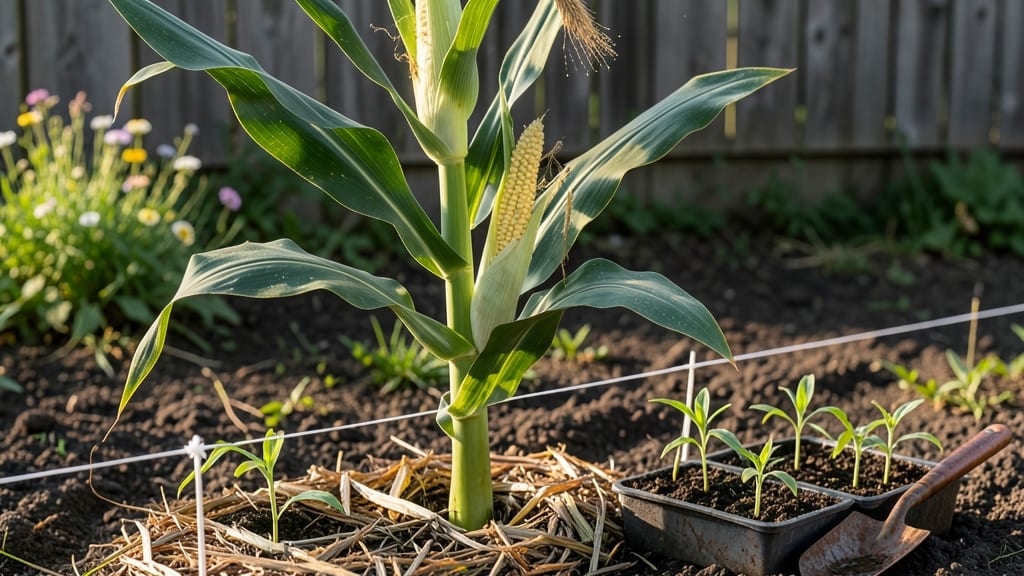
Planting corn in North Carolina at the wrong time can mean the difference between a bumper crop of 🌽 and wasted effort. With frost dates ranging from late March in coastal areas to early May in the mountains, timing is everything for your corn's success.
Most gardeners in zones 6b-8a aim to plant between mid-April and early June, but even that window varies by county. The key is waiting until soil temperatures hit at least 60°F—cold soil slows germination, leaving seeds vulnerable to rot.
I’ve learned the hard way that rushing corn into the ground too early leads to stunted plants or frost damage. Whether you’re growing sweet corn for summer meals or field corn for fall harvests, getting the timing right maximizes your yield and saves you from replanting headaches.
Let’s break down exactly when to plant in your specific North Carolina region, plus pro tips for adjusting based on your microclimate—so you can enjoy fresh, homegrown corn from late July through October.
North Carolina corn planting calendar: soil temperature & frost-free deadlines by region
North Carolina’s diverse climate creates distinct planting zones for corn, where coastal areas like Robeson County can plant weeks earlier than mountain regions like Haywood. The key factor isn’t just frost dates—it’s soil temperature, which must reach 50°F+ for germination and 60°F+ for optimal growth.
Get this wrong, and your corn may rot in cold soil or bolt too quickly in heat.
Most sweet corn varieties thrive when planted after the last frost date, but field corn often needs warmer soils. Below, I’ve broken down planting windows by region, using USDA hardiness zones and local frost data from the NC State Climate Office.
Always check your county’s 10-year averages—microclimates can shift planting by 2-3 weeks!
Pro Tip: Use a soil thermometer to confirm temperatures before planting. Corn seeds won’t germinate below 50°F, and stunted growth often results from cold soil stress. In cooler zones, consider black plastic mulch to warm the soil faster.
| Region | USDA Zone | Avg. Last Frost | Soil Temp. Threshold | Optimal Planting Window | County Examples |
|---|---|---|---|---|---|
| Coastal Plains | 8a-8b | March 1-15 | 50°F+ (germination) | Mid-March to early April | Robeson, Brunswick, Dare |
| Piedmont | 7b-8a | March 15-30 | 55°F+ (ideal) | Late March to mid-April | Wake, Mecklenburg, Durham |
| Mountains | 6b-7a | April 15-30 | 60°F+ (required) | Late April to early May | Haywood, Ashe, Mitchell |
Soil temps from NC State Extension; frost dates are 10-year averages
In coastal NC (Zone 8a-8b), like Brunswick County, you can start planting sweet corn as early as mid-March if soil temps are stable above 50°F.
However, field corn often waits until April 15 to avoid cold-soil issues. Use early-maturing varieties like ‘Silver Queen’ or ‘Peaches and Cream’ to stretch harvests.
For Piedmont counties such as Wake or Mecklenburg, aim for late March to mid-April. These areas benefit from warmer soils but still risk late frosts (like the 2020 Easter freeze that damaged early plantings). Wait until nighttime temps stay above 50°F consistently.
In mountain regions like Haywood County (Zone 6b), delay planting until late April to early May. Soil stays cool longer, and first frost can arrive as early as October 15. Choose short-season varieties like ‘Bodacious’ or ‘Ambrosia’ to ensure harvest before frost.
Succession Planting Tip: In warmer zones, plant every 2 weeks from April to June for a continuous harvest. Use row covers to extend the season by 3-4 weeks in cooler areas. Always space seeds 1-1.5 inches deep and 4-6 inches apart for optimal growth.
If you’re unsure about your county’s exact frost dates, check the NC State Climate Office or ask local Cooperative Extension agents. Microclimates—like valleys or urban heat islands—can shift planting by 1-2 weeks.
For example, Asheville’s average last frost is April 15, but nearby Black Mountain may be 10 days later.
Remember: Corn is a warm-season crop—it won’t tolerate frost at any stage. If you plant too early and hit a late frost, your seedlings will die.
Conversely, planting too late reduces yield potential. Use this guide as a starting point, then adjust based on your specific microclimate and soil conditions.
How to adjust corn planting time for early varieties, sweet corn, and field corn
Not all corn is created equal when it comes to planting timing. In North Carolina, sweet corn and early-maturing varieties can go into the ground weeks before field corn or standard sweet corn. Why?
Sweet corn thrives in cooler soils and shorter growing seasons, while field corn needs warmer temperatures and longer maturity windows. Let’s break down the best strategies for each type to maximize your harvest.
For early varieties and sweet corn, aim to plant as soon as the soil reaches 50°F—often in late March to early April in coastal regions like New Hanover or Carteret counties. These varieties mature faster (60–80 days), so they can handle cooler spring soils better.
Meanwhile, field corn and standard sweet corn need soil temps of at least 60°F and should wait until mid-April to early May.
- Early Varieties
- Sweet Corn
- Field Corn
To stretch your harvest season, try succession planting. Plant sweet corn in two-week intervals from April through early June. This ensures a steady supply of fresh ears instead of one overwhelming harvest.
For example, start with early varieties in late March, then follow with standard sweet corn in early April, and finish with field corn in late April or May.
In cooler zones like the mountains (USDA Zone 6b), use row covers to warm the soil and extend the planting window by 2–3 weeks. Simply lay lightweight fabric over newly planted seeds until the soil reaches 55°F.
This trick works wonders for early varieties and can help sweet corn thrive in Ashe or Watauga counties where frost lingers longer.
Pro tip: Monitor your soil temperature with a thermometer—corn seeds won’t germinate below 50°F, even if the air feels warm. If you’re unsure, wait a few extra days. Rushing can lead to poor germination or damping-off disease, which is a heartbreak no gardener wants.
Adjust your planting schedule based on your local microclimate. Coastal areas like Dare or Currituck can plant earlier due to milder winters, while the Piedmont (Zone 7a) might need to wait until early May for field corn.
Pay attention to last frost dates and soil warmth—your plants will thank you with bigger ears and healthier stalks! 🌽