
Plants
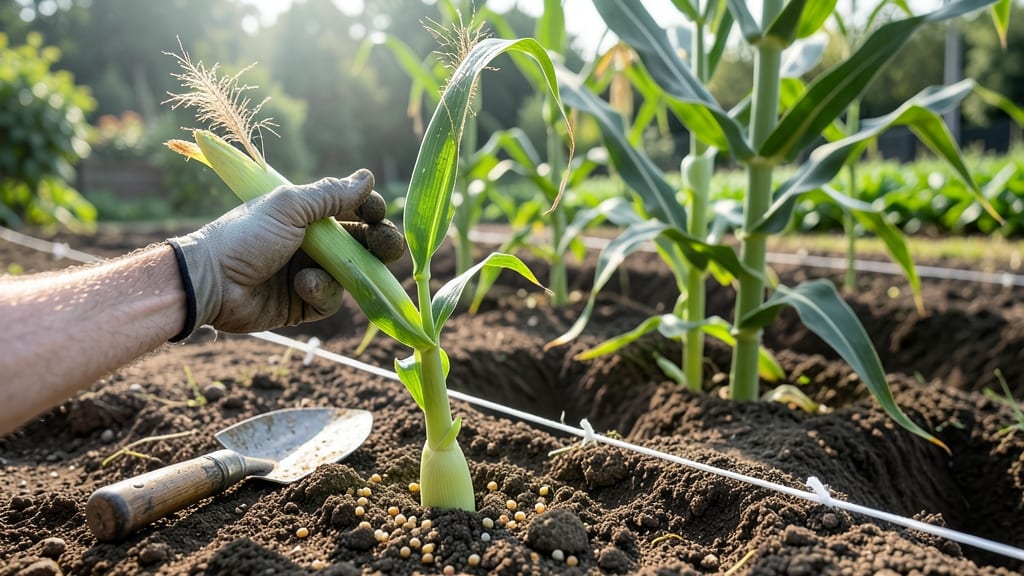
Planting corn in West Virginia at the wrong time can turn your 🌽 dreams into disappointment—frost nibbling tender shoots or scorching summer heat stressing young plants before they even get a chance to thrive.
This isn’t just about tossing seeds into the dirt and hoping for the best. The 6a-7a climate zones here demand precision: soil that’s warmed to at least 60°F, frost-free windows that shift yearly, and varieties that match your county’s microclimate.
Get it right, and you’ll enjoy fresh ears by July; get it wrong, and your hard work might vanish before harvest.
I’ve spent years tracking West Virginia’s planting patterns, and what I’m about to share will help you avoid the most common mistakes—like planting too early when the ground is still cold or ignoring soil temperature cues that signal it’s finally time to act.
Whether you’re a first-time gardener or a seasoned pro, this guide breaks down exactly when, where, and how to plant corn for a harvest that’ll make your neighbors jealous. Let’s get started.
West Virginia frost-free dates & soil temperature requirements for corn planting
Planting corn in West Virginia requires precise timing—soil temperatures below 50°F stunt seed germination, while late frosts can kill young seedlings. The average last frost date across the state ranges from mid-April in southern counties to early May in higher elevations.
For optimal corn growth, wait until soil reaches at least 60°F for 1-2 weeks before planting.
West Virginia spans USDA Zones 6a-7a, meaning frost-free periods vary dramatically. Northern counties like Pendleton or Tucker may face late frosts into May, while southern areas like Mercer or Putnam can plant as early as late March.
Always check your local microclimate—valleys stay colder longer than hilltops, and urban areas can be 5-10°F warmer.
🌽 Pro Tip: Use a soil thermometer (available for ~$10) to confirm readiness. Plant too early, and seeds rot in cold soil; wait too long, and you risk shortened growing seasons for late varieties.
For precise local data, consult the West Virginia State Climate Office or use the Old Farmer's Almanac frost maps. Microclimates matter—gardens near bodies of water (like the Ohio River Valley) warm up faster, while high-elevation areas (like Monongahela National Forest) can delay planting by 2-3 weeks.
Corn seeds need consistent warmth to germinate. If soil temps hover around 50-55°F, germination slows dramatically. Use black plastic mulch or row covers to warm soil by 5-10°F in cooler regions. This trick lets you plant 2 weeks earlier in marginal zones like Pocahontas or Webster counties.
🌡️ Warning: Never plant corn before soil reaches 50°F—seeds rot in cold, wet conditions. Test soil moisture too; dry soil below 50°F is worse than cold, wet soil for germination.
If you're unsure about your exact frost dates, use the 3-4-5 Rule: Subtract 3 weeks from your average first frost date (October 15) to estimate your last safe planting window. For example, Putnam County (first frost Oct 5) should plant by September 1 for medium-maturity varieties.
For organic gardeners, consider
Step-by-step corn planting calendar for West Virginia’s climate zones
West Virginia’s climate zones 5a-7a create unique planting windows for corn, where timing directly impacts yield. In Zone 5a (northern counties like Monongalia), you’ll plant 2-3 weeks later than in Zone 7a (southern regions like Mercer).
My calendar accounts for soil temperature thresholds (60°F minimum) and last frost dates, ensuring your seeds germinate reliably.
For early varieties (60-70 days to maturity), start seeds indoors in late March for a head start. Mid-season varieties (75-90 days) get direct-sown in mid-April to early May, while late varieties (90+ days) can wait until late May.
Succession planting every 2 weeks stretches harvests from July to September.
Sow early varieties (e.g., 'Early Sunglow') in pots with 60°F soil. Use grow lights for 12-14 hours/day.
Direct-sow mid-season varieties (e.g., 'Silver Queen') when soil hits 60°F. Plant 1 inch deep, 4-6 inches apart.
Follow Zone 7a schedule but add row covers for frost protection if nights dip below 40°F.
Plant late varieties (e.g., 'Country Gentleman') or succession crops. Thin seedlings to 12 inches apart when 3 inches tall.
Sow final rounds for fall harvests. Use drought-resistant varieties (e.g., 'Peaches and Cream') if rain is scarce.
Pick ears when silks brown and kernels are milky-white. Store unhusked ears in 50°F conditions for 2 weeks.
Pro tip: Use a soil thermometer—corn won’t germinate below 50°F, and slow growth below 60°F invites pests. In Zone 5a, extend your season with black plastic mulch to warm soil faster. For organic growers, add compost tea at planting to boost microbial activity.
Deer pressure in WV? Plant corn near marigolds or garlic—their strong scents deter browsers. If you’re in Zone 7a, you can even try a second late-summer crop (August sowing) for a Thanksgiving harvest, though yields may be smaller. Always save seeds from open-pollinated varieties for next year!
Remember: Succession planting every 2 weeks after your first sowing ensures a steady supply. In my Zone 6b garden, this means 3 rounds of planting—April, May, and June—for ears ready from July through September. 🌽