
Plants
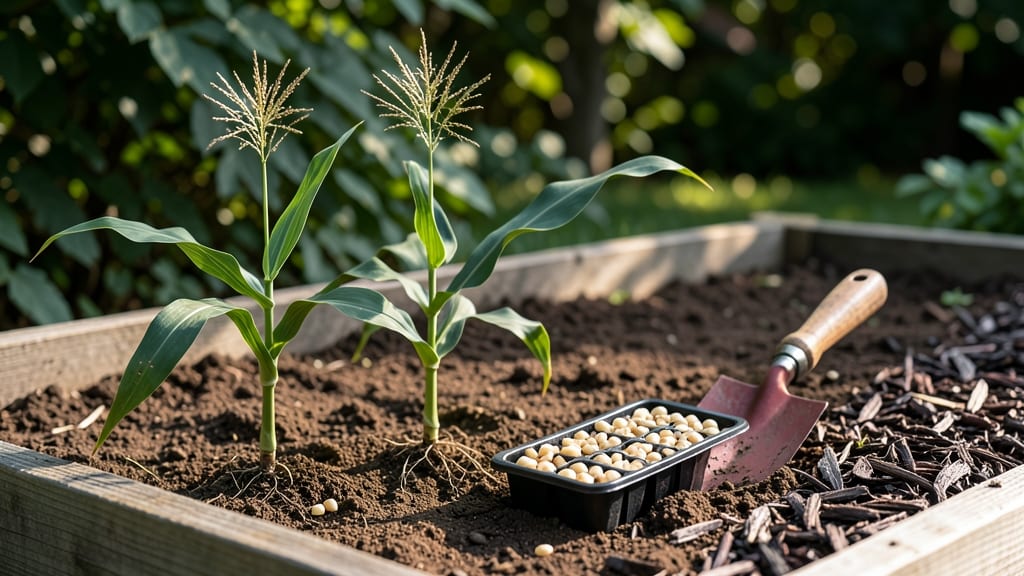
Planting corn in Florida at the wrong time can turn your 🌽 dreams into a soggy mess—whether it’s wilted seedlings from early freezes or stunted ears from scorching summer heat. The key to a bountiful harvest lies in timing it right, and Florida’s microclimates make this trickier than you’d think.
Most gardeners in USDA zones 9a-10a (which covers most of the state) can start sowing as early as March, but North Florida’s cooler pockets need to wait until April to avoid frost surprises.
Meanwhile, South Florida’s long growing season lets you stretch plantings into July—but with trade-offs like higher pest pressure.
In this guide, I’ll break down the exact planting windows for your region, plus how to adjust for Florida’s unpredictable weather. You’ll learn which varieties handle heat best, when to fertilize for maximum yield, and how companion planting can keep pests at bay.
Ready to grow corn that’s sweet, plentiful, and actually survives Florida’s extremes? Let’s get started.
Florida corn planting dates by microclimate zone (with soil temp guide)
Florida’s three distinct microclimates—North, Central, and South—create wildly different conditions for growing sweet corn. In North Florida, late frosts can linger until mid-March, while South Florida rarely sees frost at all.
Central Florida sits in the middle, with variable humidity that demands precise timing to avoid fungal diseases like corn smut. The key to success? Planting when soil temperatures hit 60°F+ and choosing varieties that match your zone’s heat tolerance.
Corn thrives in Florida’s long growing season, but timing matters. Plant too early, and cool soils stunt root growth. Plant too late, and summer heat stresses plants before harvest.
Below, I’ve broken down the optimal planting windows for each zone, along with soil temperature guidelines and variety recommendations to ensure a high-yield harvest.
Soil temperature is your best friend when planting corn. Use a soil thermometer to confirm readings—corn seeds won’t germinate well below 60°F. In North Florida, wait until mid-April for consistent warmth, while South Florida gardeners can start as early as late February in protected beds. Central Florida falls somewhere in between, with early March being the safest bet for most varieties.
Here’s how to align your planting schedule with Florida’s microclimates, including early vs. late-season varieties tailored to each zone:
| Zone | Optimal Planting Window | Soil Temp Threshold | Early-Season Variety | Late-Season Variety | Key Consideration |
|---|---|---|---|---|---|
| North Florida | Mid-April to early June | 60°F+ (consistent) | Silver Queen (70 days) | Peaches and Cream (90 days) | Frost risk until March 15 |
| Central Florida | Late February to mid-May | 60°F+ (3+ days) | Ambrosia (75 days) | Bodacious (100 days) | High humidity increases disease risk |
| South Florida | Late January to early July | 65°F+ (faster germination) | Golden Bantam (70 days) | Country Gentleman (110 days) | Year-round growing possible |
In North Florida, where frost dates can creep into March, stick to mid-April plantings for early varieties like Silver Queen. This gives plants enough time to mature before summer heat sets in.
For a fall harvest, plant late-July with heat-tolerant varieties like Peaches and Cream, which can handle 90+°F temperatures better than most.
Central Florida’s humidity and variable temperatures make it ideal for staggered plantings. Start with early-season varieties like Ambrosia in late February for a spring harvest, then follow up with Bodacious in May for a fall crop.
The key here is spacing: plant in blocks, not rows, to ensure cross-pollination and better yields. Avoid planting during peak humidity (June–August) to reduce fungal diseases.
South Florida’s tropical climate lets you plant corn year-round, but summer heat can stress plants. For spring harvests, plant Golden Bantam in late January. For fall harvests, try Country Gentleman in early July.
If you’re growing in shade (common in urban areas), opt for dwarf varieties like Tom Thumb and supplement with grow lights.
Pro tip: Use black plastic mulch to warm soil faster in North Florida or shade cloth to protect seedlings from intense sun in South Florida. Both tricks help you extend planting windows by 2–3 weeks on either end.
Pair your corn with companion plants like beans or squash to improve soil health and deter pests.
Remember, soil prep is just as critical as timing. Test your soil’s pH (6.0–6.8) and amend with compost or aged manure before planting. Corn is a heavy feeder, so side-dress with nitrogen-rich fertilizer
How to adjust corn planting dates for Florida’s unpredictable weather
Florida’s weather can shift from unexpected freezes to scorching heatwaves faster than you can say "sweet corn." If you plant too early, a late frost can wipe out seedlings. Plant too late, and your harvest might face extreme summer heat or hurricane season disruptions.
The key is flexibility—having a backup planting schedule and choosing the right varieties for your region’s quirks.
Start by monitoring soil temperatures with a thermometer. Corn won’t germinate well below 60°F, so wait until the ground warms up, usually by mid-March in South Florida and mid-April in North Florida.
But if your area gets unseasonal cold snaps, like the 2021 freeze, delay planting until after April 15 to play it safe.
⚠️ callout-warning ⚠️
- Early Freezes: North Florida can see frost as late as January—wait for soil temps ≥60°F before planting.
- Hurricane Season: Avoid planting June-August if storms are forecasted; young plants are easily uprooted.
- Heatwaves: Temperatures above 95°F can stunt growth—opt for drought-tolerant varieties like ‘Silver Queen’.
For a backup planting strategy, consider a successive planting schedule. Plant your first batch in early April (if frost-free), then follow up with 2-week intervals through June.
This spreads out your harvest and reduces risk. If hurricane season looms, prioritize fast-maturing varieties (like ‘Peaches and Cream’, which matures in 70 days) over slower-growing types.
Drought-resistant techniques are a must in Florida’s unpredictable rainfall. After planting, mulch with straw or grass clippings to retain moisture and suppress weeds. Water deeply in the morning to avoid fungal diseases, and aim for 1-2 inches per week.
If a dry spell hits, focus water on the roots rather than overhead spraying.
Choose heat-tolerant varieties like ‘Golden Bantam’ or ‘Tuxedo’ for summer plantings. These varieties handle high humidity and intense sun better than standard types. If you’re in South Florida, you can even plant a fall crop in September, but be ready to harvest before frost—which rarely happens there.
Keep an eye on the National Weather Service and local Cooperative Extension updates for frost warnings or storm alerts. With the right adjustments, you can turn Florida’s unpredictable weather into an advantage—ensuring a reliable corn harvest no matter what Mother Nature throws your way. 🌽