
Companion Plants
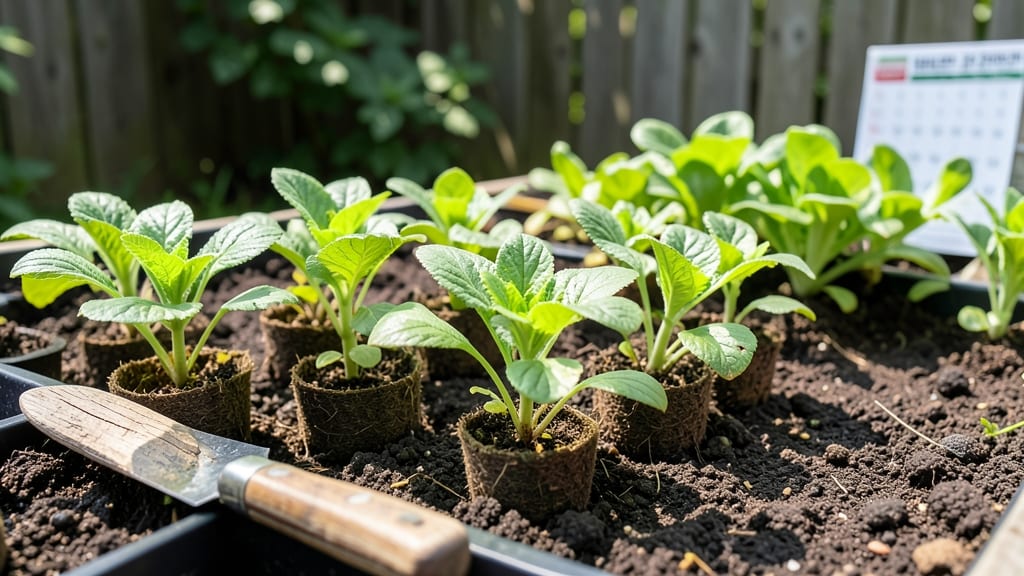
Planting lettuce in Zone 7 at the wrong time can mean the difference between crisp, flavorful 🥬 and bitter, wilted disappointment. The key is timing—too early, and frost will damage your tender leaves; too late, and summer heat turns them tough and unappetizing.
I’ve learned the hard way that lettuce thrives when planted 4–6 weeks before your last frost date (around early March for Zone 7) or 8–10 weeks before the first frost in fall (late August). This schedule ensures you avoid both extremes and enjoy a steady harvest.
But here’s the secret: Zone 7 gardeners can stretch their growing season further with simple tricks like shade cloth and succession planting. Whether you’re a beginner or a seasoned gardener, these strategies will help you enjoy fresh, homegrown lettuce from spring through fall.
Let’s break down the exact weeks to plant, how to protect your crops from heat and frost, and when to harvest for the best flavor. Ready to grow lettuce like a pro?
Zone 7 lettuce planting calendar: exact weeks before last frost for fall and spring harvests
Timing is everything when growing lettuce in Zone 7. Unlike heat-loving veggies, lettuce thrives in cool weather and bolts (goes to seed) when temperatures rise above 75°F. My rule of thumb?
Plant lettuce 4–6 weeks before your last frost date for spring harvests and 8–10 weeks before the first frost for fall crops. For Zone 7, that means starting seeds indoors by early March or sowing directly in late February.
Zone 7’s average last frost date is April 15, so count backward to find your ideal planting window. For example, if you want to harvest in May, aim to plant seeds by March 15–March 30.
Fall lettuce should be in the ground by mid-August to mature before frost hits in mid-October. Miss these windows, and you’ll either face frost damage or bitter, bolted lettuce.
Not all lettuce varieties play by the same rules. Butterhead and romaine are more heat-tolerant than delicate leaf lettuce, but even they struggle in Zone 7’s summer heat. That’s why I prioritize spring and fall plantings—these seasons give lettuce the 50–60°F soil temperatures it craves for optimal growth.
Here’s the game-changer: succession planting. Instead of one big planting, sow small batches every 2–3 weeks from March through September. This ensures a steady supply of fresh lettuce, even as summer approaches.
For example, my first batch goes in late February, followed by weekly additions until early May. By late August, I start another round for fall harvests.
Soil temperature matters just as much as air temperature. Lettuce seeds won’t sprout well in cold, wet soil. Use a soil thermometer to confirm temperatures are above 40°F before planting. In Zone 7, this usually aligns with mid-March for spring and late August for fall.
If your soil is too cold, wait or use row covers to warm it up faster.
Now, let’s talk frost. Zone 7’s first frost typically arrives October 15, but microclimates can shift this by 1–2 weeks. If you’re in a cooler pocket of Zone 7 (like the Appalachians), push your fall planting to mid-September.
For warmer areas (like central Texas), you might squeeze in a late-September planting with frost cloth protection.
Here’s a quick reference for your Zone 7 lettuce planting calendar:
| Planting Window | Action | Soil Temp | Varieties to Plant | Harvest Time |
|---|---|---|---|---|
| Late February | Start seeds indoors | 45–50°F | Butterhead, Romaine | May–June |
| Mid-March | Direct sow outdoors | 50–55°F | Leaf Lettuce, Oakleaf | April–May |
| Late August | Direct sow for fall | 55–60°F | Black Seeded Simpson, Romaine | October–November |
| Early September | Succession plant | 60–65°F | Heat-tolerant varieties | Late September–October |
Pro tip: Use shade cloth (30–50%) to protect lettuce from late-spring heat. I drape it over my rows in May to keep soil temps cool and prevent bolting. For fall, focus on heat-tolerant varieties like Jericho or Winter Density, which handle warmer soil better than standard types.
Don’t forget to harden off seedlings before transplanting. Acclimate them to outdoor conditions over 7–10 days by gradually exposing them to sunlight and wind. This step is critical—skipping it often leads to transplant shock, stunting growth.
I start hardening off my March starts in early April, moving them to a sheltered spot for a few hours daily before full transplant.
Finally, monitor your lettuce’s progress. Harvest outer leaves when they reach 3–6 inches to encourage continuous growth. If your plants start to bolt (sending up tall flower stalks), remove them immediately and replant with a new batch.
With this schedule, I’ve enjoyed fresh lettuce from April through November—no bitter taste or wasted effort.
How to extend your lettuce season in Zone 7: shade, succession planting, and heat-tolerant varieties
Zone 7’s hot summers can turn your lettuce into bitter, bolted messes—but don’t give up! With the right strategies, you can enjoy fresh crisp lettuce from early spring through late fall.
The key is combining shade protection, succession planting, and heat-tolerant varieties like Oakleaf or Black Seeded Simpson.
I’ve grown lettuce in Zone 7 for years, and the difference between a failed crop and a thriving one often comes down to these three tactics. Let’s dive into how to keep your lettuce happy even when the thermometer climbs.
🌱 Zone 7 Lettuce Extension Guide
- 1. Use 30-50% shade cloth during peak summer heat (June-August) to keep soil temps below 80°F.
- 2. Plant heat-tolerant varieties like Jericho or Simpson Elite—they handle 85°F+ better than standard types.
- 3. Succession plant every 2 weeks from March to September to ensure a continuous harvest.
- 4. Mulch with straw to retain moisture and block weeds, reducing stress on young plants.
- 5. Water deeply in the morning (1-2 inches) to prevent bolting from heat stress.
For spring planting, start seeds indoors 4-6 weeks before your last frost (around March 1 in Zone 7). Transplant seedlings outdoors when soil temps hit 40°F—this prevents stunted growth. Use row covers if nights dip below freezing.
When summer arrives, shade cloth is your best friend. A 30% shade cloth reduces soil temps by 10-15°F, while 50% shade can push your growing window into late August or early September. Pair this with drip irrigation to keep roots cool and consistent.
Don’t forget about fall planting! Start seeds 8-10 weeks before your first frost (around August 15 for Zone 7). Choose cold-hardy varieties like Winter Density or Arctic King, which can survive light frosts. Protect them with row covers if temps drop below 25°F.
With these strategies, you’ll enjoy fresh lettuce for nearly 10 months of the year—no bitter bolting in sight! 🥬