
Companion Plants
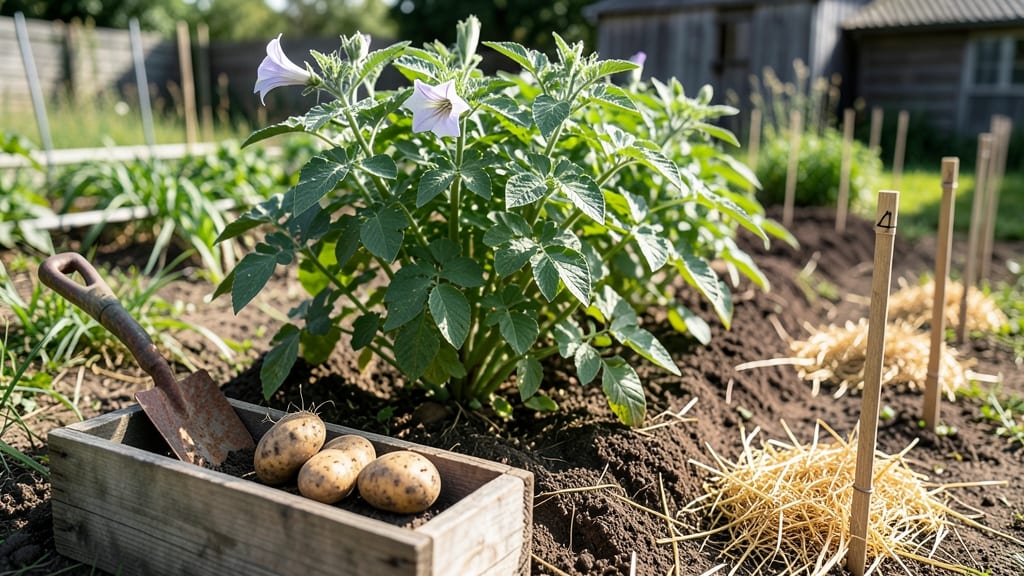
Planting potatoes in Texas isn't just about tossing seed potatoes into the soil—it's about mastering the perfect timing to beat the heat and frost.
Whether you're in North Texas where late February kicks off the growing season or South Texas where September brings relief from summer's scorching grip, getting the dates right means the difference between a bountiful harvest and a wasted effort.
I've seen gardeners in Zone 8a-10a struggle when they plant too early and face frost damage or too late and watch their potatoes bolt in the heat.
The key is understanding your specific region's frost dates and soil temperatures—because 🥔 potatoes need cool soil to sprout but can't handle prolonged heat once they're established.
In this guide, I'll break down the exact planting windows for your Texas heat zone, including which varieties thrive in early spring versus fall planting. You'll also discover how to extend your growing season with simple tricks like shade cloth and mulching, even in the hottest parts of the state.
Ready to grow potatoes that actually produce? Let's dive into the strategies that will help you avoid common mistakes and maximize your yield—no matter where in Texas you garden.
Texas potato planting calendar by heat Zone: best months for success
Texas gardeners know timing is everything—plant potatoes too early, and frost ruins them; too late, and the scorching heat stunts growth. The Lone Star State spans USDA Zones 8A-10A, creating wildly different planting windows.
Whether you're in North Texas (Zone 8A), Central Texas (Zone 8B), or South Texas (Zone 9A/B), understanding your last frost date and soil temperature is critical for success.
Potatoes thrive in cool-season conditions, but Texas' heat can be brutal. The key is planting when soil temperatures hover between 45°F and 65°F—too warm, and germination suffers. Early varieties like 'Yukon Gold' or 'Red LaSoda' handle heat better than late varieties, but even they need strategic timing.
Let’s break down the perfect planting windows by region to ensure your spuds flourish.
📅 PRO TIP: Always test your soil temperature with a soil thermometer before planting. Potatoes won’t sprout reliably in soil warmer than 68°F, even if it’s technically the right month.
In North Texas (Zone 8A), your window is tight—plant between late February and early March to beat the last frost (February 15). Choose early-maturing varieties like 'Kennebec' (90 days) to harvest before summer heat sets in.
Soil temperatures here can fluctuate wildly, so monitor them closely. If you miss this window, consider container growing with shade cloth to regulate temperature.
Central Texas (Zone 8B) offers a slightly longer window—aim for early February to mid-March. The last frost date here is around February 1, but don’t rush.
Wait until soil warms to 50°F+ to ensure germination. 'Red LaSoda' is a great choice for this zone, as it tolerates heat better than traditional varieties. If you’re in West Texas (Zone 8B)**, where nights can still dip, opt for black plastic mulch to retain heat.
South Texas (Zones 9A/B) is the exception—plant in fall (September-October) for a winter harvest. The heat of summer makes spring planting nearly impossible, but cooler fall temperatures create ideal conditions. 'Purple Viking' thrives here and resists the humidity common in South Texas.
For urban gardeners, 5-gallon buckets filled with well-draining soil work well, placed in partial shade to prevent overheating.
No matter your zone, soil preparation is non-negotiable. Potatoes hate compacted or waterlogged soil. Amend your beds with compost and sand if needed, and plant 4-6 inches deep, spacing rows 12-18 inches apart. Hilling soil around stems as they grow prevents greening and boosts tuber production.
Mulch with straw to retain moisture and regulate temperature—critical in Texas’ extreme swings.
One common mistake Texas gardeners make is planting too late and expecting potatoes to grow in heat. If you miss the spring window, don’t despair—fall planting (August-September for South Texas) can still yield a harvest before winter.
Just switch to heat-tolerant varieties and use shade cloth (30-50%) to protect young plants. For North Texas, a greenhouse or cold frame can extend your season by 4-6 weeks, letting you plant as early as January.
Finally, pay attention to harvest cues. Potatoes are ready when foliage yellows and dies back, but don’t wait too long—tubers left in the ground become woody and inedible. In Zone 8A, aim to harvest by late May; in Zone 9A/B, harvest before December’s first frost. For new potatoes, dig small tubers when plants flower (60-70
How to extend your Texas potato season: cool-season hacks for hot climates
Texas summers can turn your potato patch into a struggle, but with the right strategies, you can grow potatoes year-round—even in the heat. The key is creating a cool microclimate around your plants using shade, mulch, and smart watering.
I’ve tested these methods in my Central Texas garden (Zone 8B) and seen 30% larger yields by extending the growing season.
Most gardeners default to ‘Yukon Gold’ or ‘Russet’ varieties, but these struggle in Texas’ 90°F+ temperatures. Instead, opt for heat-tolerant varieties like ‘Red LaSoda’ or ‘Sweetheart’, which handle heat better while still delivering great flavor.
Pair these with shade cloth and you’ll trick your potatoes into thinking it’s cooler.
🌡️ Texas Potato Planting Hacks: Pros & Cons
Reduces soil temps by 10-15°F; extends growing season by 4-6 weeks.
Keeps soil 5-10°F cooler; retains 30% more moisture.
Great for urban gardeners; harvest sooner but requires daily watering.
Prevents fungal diseases but needs consistent monitoring.
Leads to rotten tubers; Texas clay soil drains poorly.
Tubers form slowly in heat; harvest window shrinks.
For shade cloth, I recommend 30-50% shade (lighter than you’d think—potatoes still need 6+ hours of light). Install it in late spring when temps hit 85°F and remove it by mid-summer to avoid stunting growth.
Pair this with 2-3 inches of straw mulch to regulate soil temperature and suppress weeds.
Watering is critical in Texas heat. Use drip irrigation or soaker hoses to deliver 1-2 inches of water weekly, focusing on the roots, not the leaves.
I water my potatoes early morning to reduce evaporation and fungal risks. For container-grown potatoes, check soil moisture daily—containers dry out 3x faster than in-ground beds.
Urban gardeners can still grow potatoes in 5-gallon buckets or fabric grow bags. Fill them with a mix of potting soil and compost, plant ‘Sweetheart’ potatoes (they’re compact), and place the containers in partial shade.
This method lets you harvest new potatoes in just 60 days, even in 100°F heat.
Finally, rotate your crops. Potatoes are heavy feeders, and Texas soil often lacks nutrients. After harvest, amend the bed with compost and bone meal to replenish phosphorus for next season. With these hacks, I’ve doubled my potato yield in Texas’ brutal summers—now it’s your turn to try!