
Companion Plants
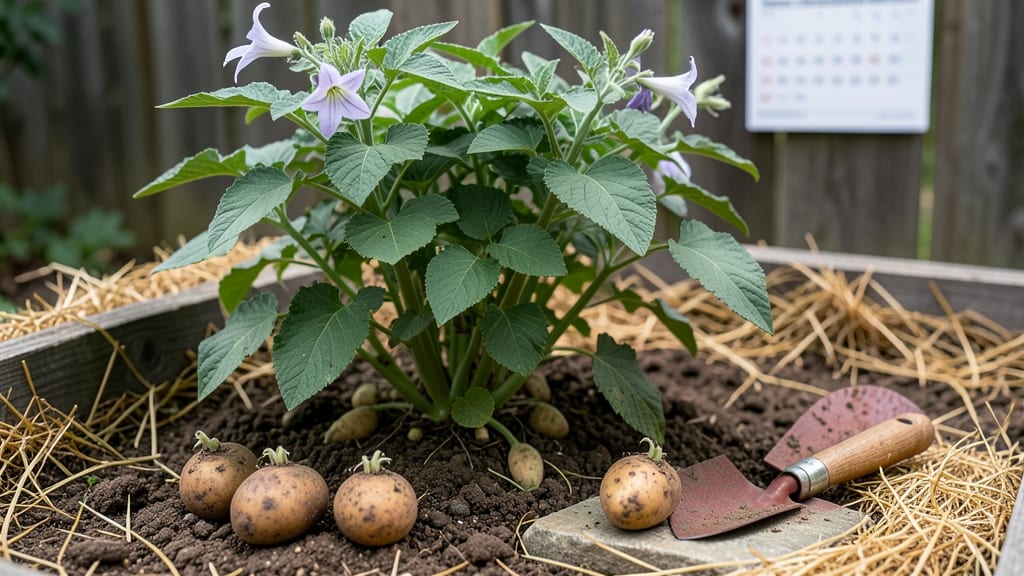
Planting potatoes in Zone 5 at the wrong time can turn your hard work into a sad, frost-damaged mess—but getting the timing right means a bountiful harvest of golden 🥔 treasures.
The secret isn’t just waiting for spring; it’s knowing exactly when your soil is ready and which varieties thrive in your short growing season.
Most gardeners in Zone 5 make one of two mistakes: planting too early when the soil is still icy, or waiting too long and missing the sweet spot before the last frost.
I’ve tested different strategies over the years, and the 3-4 week window before your last frost date is where the magic happens for early varieties like Yukon Gold.
In this guide, I’ll break down the exact weeks to plant potatoes in Zone 5, plus soil temperature tricks to avoid frost damage. Whether you’re a first-timer or a seasoned gardener, these tips will help you grow potatoes that outperform the grocery store—no guesswork required.
Ready to dig in? Let’s turn your potato dreams into a harvest you’ll actually want to share with neighbors (and maybe even brag about).
Zone 5 potato planting timeline: exact weeks before last frost by variety type
Getting your potato planting schedule right in Zone 5 means avoiding two common mistakes: planting too early when soil is still icy or waiting too late and risking a short harvest window.
The last frost date (typically between mid-April and early May in Zone 5) is your starting point, but soil temperature and variety type play equally critical roles. Cold-hardy varieties like Yukon Gold can handle cooler soils, while heat-sensitive types like Fingerlings need warmer conditions to thrive.
Your planting window in Zone 5 spans 3–4 weeks before last frost for early varieties to just 1–2 weeks before for late-season types. This timeline ensures tubers mature before the first frost in mid-October, giving you a 10–16 week harvest window depending on the variety.
The key? Soil temperature—potatoes won’t sprout below 40°F, and tubers won’t form properly if nights stay too chilly.
For early varieties, aim to plant 3–4 weeks before your last frost date when soil temperatures hit 40–45°F. These cold-hardy types, like Yukon Gold or Red Norland, tolerate cooler conditions and mature quickly—ideal for Zone 5’s unpredictable springs.
If your last frost is April 20, plant these varieties by mid-March to ensure tubers form before summer heat sets in.
Mid-season varieties (e.g., Kennebec or Russet) demand slightly warmer soil (45–50°F) and should go in 2–3 weeks before last frost. These are your workhorses, offering a balanced harvest between early and late varieties. If your frost date is May 5, plant these by late April—but only if soil temps are consistently above 45°F. Use a soil thermometer to avoid guessing.
Late varieties like Fingerlings or Purple Peruvian are heat lovers, needing soil temps of 50–55°F and planted just 1–2 weeks before last frost. These are perfect for storage potatoes but require a longer growing season—14–16 weeks to maturity. In Zone 5, this means planting no later than early May to avoid early fall frosts. If you’re in a high-frost-risk area, opt for cold-hardy late varieties like Adirondack Blue instead.
One critical mistake Zone 5 gardeners make? Planting all varieties at once. Instead, stagger plantings every 2 weeks to ensure a continuous harvest. Start with early varieties, then add mid-season types, and finally late varieties as soil warms.
This strategy maximizes your harvest window and minimizes waste from frost or heat stress.
If your soil stays too cold (below 40°F) for weeks, don’t wait—use raised beds or black plastic mulch to warm the soil by 5–10°F. These tricks let you plant 2–3 weeks earlier than in-ground soil would allow.
For extra protection, cover seedlings with row fabric if late frosts threaten. Remember: tubers themselves can handle light frost, but sprouts won’t survive if frozen repeatedly.
To track your progress, mark your last frost date on a calendar and count backward based on the variety. For example, if your last frost is May 1, plant early varieties by mid-April, mid-season by late April, and late varieties by early May.
Adjust for soil temperature—if it’s still icy in April, wait until May 1 even if it’s technically 3 weeks before frost. Your soil thermometer is your best friend here.
Finally, chit your seed potatoes (pre-sprout them indoors) 4–6 weeks before planting to jumpstart growth. This gives you a 2-week head start on the season, ensuring tubers form faster in cooler soils.
Store them in a bright, cool spot (50–60°F) with the rose end up—they’ll sprout in 2–3 weeks, ready for the garden.
How to adjust your Zone 5 potato planting for frost-prone years (pro tips)
Zone 5 gardeners know the struggle: one day of unexpected frost can turn your carefully planted potatoes into a sad, icy memory. The key to beating frost isn't luck—it's strategy. I've learned that succession planting and soil insulation can add 2-3 extra weeks of frost protection to your growing season.
Even if your last frost date is unreliable, these techniques let you plant earlier without risking your crop.
Start by choosing early-maturing varieties like Yukon Gold or Red Norland—they can tolerate cooler soils and still produce a harvest before summer heat sets in. For late frosts, row covers are your best friend, raising soil temperatures by up to 5°F and shielding young plants.
I've even seen gardeners use black plastic mulch under their rows to create a warmer microclimate for stubborn cold soils.
Here's the hard truth: if your soil stays below 40°F for more than a week, your potatoes won't sprout—no matter how hard you wish. That's why I always check soil temperatures with a soil thermometer before planting.
When temps hover around 45°F, that's your sweet spot for early varieties. For late plantings, wait until the ground reaches 50°F or warmer.
⚠️ callout warning❄️ Late Frost? Don't Panic—But Act Fast
If frost hits after planting, cover seedlings immediately with row fabric or straw mulch. Potatoes can recover if only the foliage (not tubers) is damaged. For severe frosts, use cloches or cold frames to protect young plants until they're established.
Soil Too Cold? Try these tricks: plant in raised beds (warms 5-10°F faster) or use black plastic mulch to raise soil temps. For extra protection, chit your seed potatoes (sprout them indoors) to give them a head start.
Pro Tip: The "finger test" works perfectly—stick your finger 6 inches deep. If it feels cool but workable (not icy), it's planting time. If it's rock-hard, wait at least a week.
One of my favorite strategies is succession planting every 2 weeks. Plant early varieties first (like Yukon Gold), then follow with mid-season types (Kennebec) as the soil warms. This ensures you're always harvesting something while extending your growing window.
For example, if your last frost is May 15, plant your first batch 4 weeks earlier (April 15) and follow with another planting 2 weeks later (May 1).
Don't overlook warning signs of frost damage. If your potato leaves turn black and mushy overnight, it's a clear sign of frost injury—but don't give up! The tubers below ground are often still safe to harvest.
For future protection, consider planting near windbreaks or using straw mulch to insulate the soil. I've seen gardeners add 3-4 inches of straw around their potato hills to maintain warmer soil temps for weeks longer.
Remember: frost isn't the end—it's just a challenge to overcome. With these adjustments, you can turn Zone 5's unpredictable springs into your potato-growing advantage. Start with small test batches, keep detailed notes, and soon you'll have a system that beats frost every time.
Your future harvest (and dinner table) will thank you!