
Plants
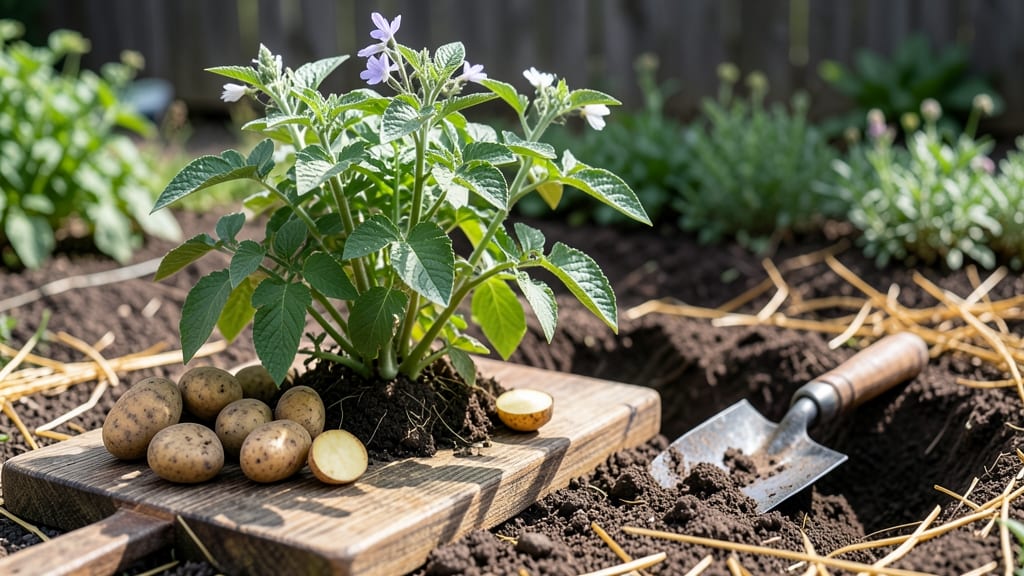
Planting potatoes at the wrong time in Zone 5 can turn your garden dreams into a soggy, frost-bitten mess—yet getting the timing right unlocks a harvest of buttery, homegrown 🥔 you’ll actually want to eat.
The key isn’t just waiting for spring; it’s calculating 4-6 weeks before your last frost date while ensuring soil temperatures hit that sweet spot of 45°F.
Why does timing matter so much? Because potatoes are frost-sensitive but also slow to warm up—plant too early, and your spuds might rot in cold soil; too late, and blight or short days could cut your yield short.
I’ve seen gardeners in northern Zone 5 rush planting in March only to watch their crops fail, while those who wait until April (or even late March for early varieties) pull up perfect tubers by July.
Here’s the game-changer: Zone 5’s short growing season means you’ve got just 120–140 days to go from seed to harvest. That’s why I’ll break down exactly when to plant—whether you’re growing early varieties for a spring feast or late ones to stretch your harvest into September.
Plus, I’ll share how to tweak your schedule based on your exact location, from the colder edges of Zone 5 to the warmer southern stretches.
Ready to ditch the guesswork? Let’s turn your potato patch into the best it can be—starting with the right planting window. You’ll learn how to prep your soil, spot the first signs of sprouts, and even extend your season if needed. No more wasted seed potatoes!
Exact weeks before last frost to plant potatoes in Zone 5 for maximum yield
In Zone 5, where frost can linger until mid-May, planting potatoes at the wrong time means either frost-damaged sprouts or late-season blight. The sweet spot?
Start 4–6 weeks before your last frost date, when soil temperatures hit 45°F—this gives tubers time to mature before summer heat peaks. I’ve found that planting too early (like February) risks frost kill, while waiting until late April may leave you with stunted yields.
Your Zone 5 location matters too—northern areas (e.g., Minnesota) have later frosts than southern edges (e.g., Ohio).
Use your USDA Zone 5b/5a average last frost date as your anchor: subtract 4 weeks for early varieties (like Yukon Gold) or 6 weeks for late varieties (like Russet Burbank).
For example, if your last frost is May 15, plant early spuds by April 15 and late spuds by March 25.
| Planting Window | Soil Temp | Variety Fit | Harvest Window |
|---|---|---|---|
| 4–5 weeks before last frost | 45–50°F | Early (60–90 days) | Late June–July |
| 5–6 weeks before last frost | 50–55°F | Mid-season (90–110 days) | July–August |
| 6+ weeks before last frost | 55–60°F | Late (110–140 days) | August–September |
For early varieties, like Red Norland or Kennebec, I plant 4–5 weeks before frost—this ensures they mature before summer heat stresses the plants. These spuds thrive in cooler soil (45–50°F) and avoid the scab disease that plagues hot conditions.
Test your soil with a thermometer before planting; if it’s below 45°F, wait a week or use black plastic mulch to warm it faster.
Mid-season varieties (e.g., Katahdin) need that 5–6 week window to bulk up tubers before frost returns in October. I’ve learned the hard way that planting these too late leaves them vulnerable to late blight, a fungal disease that thrives in Zone 5’s humid summers.
To combat this, I rotate crops yearly and plant mid-season spuds in well-drained raised beds with compost-rich soil.
Late varieties like Russet Burbank demand the 6+ week head start—they need 120–140 days to reach full size. In my Zone 5b garden, this means planting by late March for a September harvest.
If you’re in Zone 5a (colder), aim for early March planting. Use row covers in early spring to protect tender shoots from late frosts that can occur even after your average last frost date.
Don’t overlook soil preparation—potatoes hate compacted or clay-heavy soil. I mix in 3–4 inches of compost and sand (if needed) to improve drainage. Work the soil to a depth of 12 inches and avoid fresh manure, which can burn tender tubers.
Plant seed potatoes (not grocery store spuds!) 4 inches deep and 12 inches apart, then hill soil around stems as they grow to prevent greening from sunlight exposure.
Pro tip: Use a moisture meter to track soil conditions—potatoes need consistent moisture but hate soggy roots. In Zone 5, I water deeply 2–3 times per week during dry spells, focusing on the root zone.
Avoid overhead watering, which spreads disease spores. If your summer is exceptionally dry, consider drip irrigation to keep soil evenly moist without wetting foliage.
Finally, harvest timing depends on your variety. Early spuds can be dug as soon as flowers appear (around late June), while late varieties wait until foliage yellows (typically August–September).
I always harvest a few test tubers 2 weeks before the expected date—if they’re 2+ inches wide with firm skin, it’s time to dig! Use a fork to loosen soil gently and cure potatoes in a dark, humid space for 1–2 weeks before storing.
By following these Zone 5-specific windows, you’ll avoid the common mistakes that lead to failed harvests. Whether you’re growing
How to adjust planting time for early vs. late varieties in Zone 5 gardens
Zone 5 gardeners face a 120–140-day growing window, making potato variety selection and planting timing critical. Early varieties like Yukon Gold mature in 90 days, while late varieties like Russet Burbank need 120+ days.
Your planting schedule must align with these timelines to avoid frost damage or missed harvests.
Start by checking your last frost date—typically mid-May in Zone 5. Early varieties can handle cooler soil, while late varieties need warmer temperatures.
For example, plant Yukon Gold 4–6 weeks before last frost (early April), but wait until late April or early May for Russet Burbank to ensure soil reaches 45°F.
| Variety Type | Planting Window | Days to Maturity | Soil Temp for Planting | Harvest Window |
|---|---|---|---|---|
| Early (Yukon Gold) | Early April (4–6 wks before last frost) | 90 days | 40–45°F | Late June–Early July |
| Mid-Season (Red Pontiac) | Late April (2–4 wks before last frost) | 100 days | 45–50°F | Late July–Early August |
| Late (Russet Burbank) | Late April–Early May (after last frost) | 120+ days | 50–55°F | Late August–September |
Soil preparation is just as critical as timing. Amend your garden bed with compost or aged manure to improve drainage, as potatoes hate soggy soil. Early varieties thrive in looser soil, while late varieties benefit from added phosphorus (use a 10-20-10 fertilizer) to support tuber development.
Spacing also varies by variety. Early potatoes like Yukon Gold can be planted 12 inches apart in rows 24 inches apart, while late varieties like Russet Burbank need 15 inches apart in rows 30 inches apart to accommodate larger tubers.
Hill soil around stems as plants grow to prevent greening and encourage tuber formation.
Monitor your plants closely for signs of blight, especially in late summer. Early varieties may finish before blight becomes an issue, but late varieties like Russet Burbank often require row covers or fungicide sprays.
Harvest early varieties when flowers fade, and late varieties when foliage yellows—but always before the first frost.
For a continuous harvest, stagger plantings: start with early varieties in early April, mid-season in late April, and late varieties in early May. This strategy maximizes your garden space and ensures fresh potatoes from June through September.