
Companion Plants
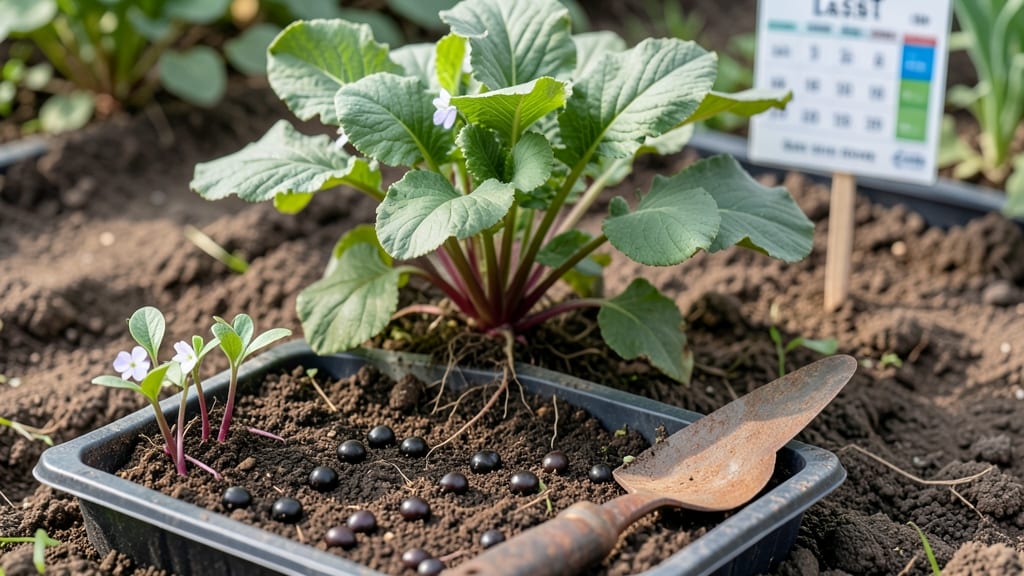
If you're eager to enjoy crisp, fresh 🥕 radishes straight from your garden, timing your planting in Zone 5 is the key to success. The right window means the difference between a bountiful harvest and wasted effort—especially when frost can strike unexpectedly.
Most gardeners in Zone 5 know radishes grow fast, but planting too early risks frost damage, while waiting too long cuts your harvest short. The sweet spot? Early spring (March–April) or early fall (August–September), when soil temperatures hit 45°F+ and frost-free days stretch ahead.
I’ll break down the exact planting schedule, including how to use succession planting to keep radishes coming all season. Whether you're a beginner or a seasoned gardener, these tips will help you avoid common mistakes and enjoy homegrown radishes in just 3–4 weeks.
Ready to turn your garden into a radish powerhouse? Let’s dive into the best times to plant and keep your crop thriving from seed to harvest.
Zone 5 radish planting calendar: exact dates for spring and fall success
Timing your radish planting in Zone 5 means the difference between a bountiful harvest and wasted seeds. Radishes thrive in cool weather, but they’re frost-sensitive once sprouted.
The key is planting when soil temperatures hit 45°F+ and frost risk drops below 30%. Let’s break down the exact windows for spring and fall success.
Most Zone 5 gardeners experience their last spring frost around mid-April, but this varies by microclimate. For radishes, aim to plant 4-6 weeks before your last frost date.
In many parts of Zone 5, that means starting seeds indoors by late February or directly sowing outdoors in early to mid-March.
For fall planting, radishes need to mature before first frost (typically mid-October in Zone 5). Start seeds outdoors in late August for a harvest by October. Choose fast-maturing varieties like ‘Cherry Belle’ (25 days) to ensure success.
Here’s your Zone 5 radish planting timeline at a glance:
| Season | Planting Window | Soil Temp | Frost Risk | Harvest Window |
|---|---|---|---|---|
| Spring | Early March – Mid-April | 45°F+ | Low (<30%) | May – Early June |
| Fall | Late August – Early September | 50°F+ | Moderate (50-70%) | October – Early November |
| Succession | Every 2–3 weeks (March–June) | 45°F+ | Low | Staggered harvests |
In early spring, radishes can handle light frosts (28–32°F) once established, but avoid planting when nighttime temps drop below 40°F. Use row covers if frost threatens after germination. For fall plantings, prioritize varieties that mature in 25–30 days to beat the first frost.
Pro tip: Test your soil temperature with a soil thermometer before planting. Radish seeds need consistent warmth (45°F+) to germinate reliably. If your soil is cooler, wait a few days or use black plastic mulch to warm it faster.
For succession planting, sow new seeds every 2–3 weeks from March through June. This ensures a continuous harvest and prevents bolting (when radishes flower prematurely due to heat stress). Space seeds 1 inch apart in rows 12 inches apart for optimal growth.
Watch out for late summer heat, which can cause radishes to bolt. If temperatures rise above 75°F for extended periods, switch to shade-tolerant varieties like ‘French Breakfast’ or plant in partial shade during peak afternoon sun.
In Zone 5’s shorter growing season, radishes are a gardener’s best friend—fast, easy, and rewarding. By following this precise planting calendar, you’ll enjoy crisp, sweet radishes from spring through fall without the guesswork.
Ready to plant? Grab your seeds, mark your calendar, and enjoy the quickest vegetable harvest in your garden! 🥕
How to extend your radish season in Zone 5: succession planting and cold protection
Zone 5’s short growing season means radishes can disappear faster than you can say "harvest time!" But with succession planting and smart cold protection, you can enjoy fresh radishes from early spring to late fall.
The key is planting fast-maturing varieties like ‘Cherry Belle’ (25 days) or ‘Easter Egg’ (30 days) in staggered batches every 2–3 weeks.
Start your first batch 4–6 weeks before your last frost date—typically mid-March in Zone 5—to ensure they’re ready to harvest before summer heat sets in. For fall, aim for late summer plantings (August) so they mature before the first frost in mid-October.
This strategy keeps your table stocked with crisp radishes for months!
🌱 5 Proven Ways to Extend Your Radish Season
- 1. Succession Plant Every 2–3 Weeks: Sow seeds in weekly batches from spring to early summer. Example: Start March 15, then April 1, April 15, and May 1 for continuous harvests.
- 2. Use Row Covers for Early/Late Plantings: Protect seedlings with floating row covers to extend the season by 2–4 weeks in spring or fall. Secure edges with bricks or soil to prevent frost damage.
- 3. Choose Fast-Maturing Varieties: Opt for 20–30-day varieties like ‘Cherry Belle’ or ‘French Breakfast’ to outpace bolting (flowering) in heat. Avoid slow varieties like ‘Daikon’ in summer.
- 4. Plant in Partial Shade for Summer: Shift late-season plantings to morning sun + afternoon shade (e.g., near a north-facing fence) to prevent heat stress, which causes radishes to bolt.
- 5. Mulch for Soil Temperature Control: Apply straw or grass clippings (2–3 inches) to keep soil consistently 45–75°F. This prevents uneven germination and extends the window for planting.
Don’t overlook fall planting—it’s often the most productive time for radishes in Zone 5. Sow seeds in late August for a harvest just before frost, or try a second fall batch in early September for a late-October treat.
Just be sure to harvest before roots exceed 2 inches to avoid woody texture.
For early spring plantings, harden off seedlings by gradually exposing them to outdoor temps for 3–5 days before transplanting. If nights dip below 40°F, use a mini greenhouse or cold frame to protect tender seedlings.
Even a black plastic mulch can raise soil temps by 5–10°F, speeding germination.
Pro tip: Mix radish seeds with carrot or lettuce seeds to maximize space. Radishes grow quickly, so they won’t compete with slower crops. Just thin seedlings to 1 inch apart once they’re 2 inches tall to prevent overcrowding and disease.
With these tactics, you’ll enjoy homegrown radishes for 4–5 months instead of just a few weeks. The secret? Plan ahead, protect your plants, and keep sowing! 🥕