
Plants
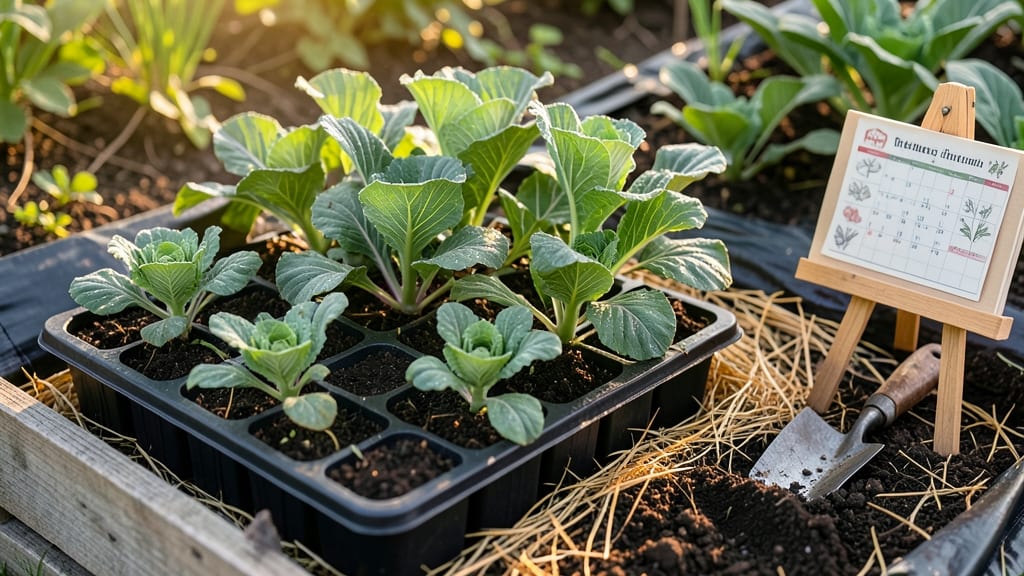
Planting your 🥬 cabbage at the wrong time in Zone 7b could mean the difference between a bountiful harvest and a sad, wilted disappointment. The secret to success lies in understanding your local frost dates and temperature thresholds—because cabbage isn’t just picky about timing, it’s downright finicky.
If you’ve ever stared at your garden calendar wondering, "When exactly should I get those seeds in the ground?" you’re not alone.
The key is planting 4-6 weeks before your last frost—typically around early March to mid-April for spring—while also planning a fall crop that matures before the first frost in mid-November. Get this wrong, and you’ll either lose your plants to cold snaps or watch them bolt in the heat.
I’ve learned the hard way that cabbage thrives on consistency—cool soil, steady moisture, and just the right amount of sun. In Zone 7b, that means avoiding those late-May heatwaves or early-September humidity spikes that can stress your plants.
Let me show you the exact windows and tricks to give your cabbage the perfect start.
Whether you’re a first-time gardener or a seasoned pro, these insights will help you time your plantings like a pro. Ready to grow heads of cabbage that’ll make your neighbors jealous? Let’s dive into the frost-free timeline that works for Zone 7b.
Zone 7B cabbage planting calendar: exact dates for spring and fall success
Cabbage thrives in Zone 7B’s moderate climate, but timing is critical to avoid frost damage or heat stress. Spring and fall plantings offer two prime windows—each with specific temperature thresholds (35°F-85°F) for survival. Miss these dates, and your heads won’t form properly, or your plants may bolt prematurely.
For spring cabbage, start seeds indoors 4-6 weeks before your last frost date (April 15 in Zone 7B). Transplant seedlings outdoors 2-3 weeks later, once soil warms to 45°F.
Fall plantings require earlier action: sow seeds 10-12 weeks before the first frost (November 15), aiming for August-September outdoor transplants.
Temperature thresholds are your guide: cabbage seedlings need soil above 40°F to germinate, while mature plants tolerate up to 85°F before bolting. Heat waves above 90°F will stunt growth, so late summer plantings must be timed carefully.
Here’s your Zone 7B cabbage planting calendar, broken into early, mid, and late season options for both spring and fall:
| Season | Planting Window | Action | Temperature Threshold | Harvest Window |
|---|---|---|---|---|
| Spring | Early | Start seeds indoors: February 25–March 15 | Soil 40°F+ | June–July |
| Spring | Mid | Transplant outdoors: March 20–April 10 | Soil 45°F+ | July–August |
| Spring | Late | Direct sow outdoors: April 15–May 1 | Soil 50°F+ | August–September |
| Fall | Early | Start seeds indoors: July 15–August 1 | Air 70°F+ | October–November |
| Fall | Mid | Transplant outdoors: August 10–September 1 | Soil 55°F+ | November–December |
| Fall | Late | Direct sow outdoors: September 10–25 | Soil 60°F+ | December–January |
For spring plantings, prioritize early varieties like ‘Golden Acre’ to harvest before summer heat sets in. Fall crops benefit from heat-tolerant varieties like ‘Red Express’, which can handle 80°F+ temperatures better than standard types. Always harden off seedlings for 7–10 days before transplanting to reduce shock.
Use row covers or mulch to extend fall harvests by 2–3 weeks. In Zone 7B, a light frost (28°F) won’t harm mature heads, but prolonged cold below 20°F will damage even the hardiest varieties.
Plan your succession plantings accordingly—sow every 2 weeks in spring and 3 weeks in fall for continuous harvests.
Soil temperature is more critical than air temperature for cabbage. Use a soil thermometer to confirm 45°F+ for spring transplants and 55°F+ for fall crops. Cool, well-draining soil prevents rot, while rich organic matter (compost or aged manure) ensures steady growth.
Test your soil’s pH (6.0–7.0)—cabbage prefers slightly acidic to neutral conditions.
If you’re new to Zone 7B gardening, start with one spring and one fall planting to test your microclimate. Urban gardens may experience earlier frosts than rural areas, so adjust dates by 1–2 weeks if needed.
Keep a planting journal to track success—note when heads form, bolt, or show signs of pest stress like aphids or cabbage worms.
Protect young seedlings from cabbage moths with floating row covers or neem oil sprays. Mature plants are less vulnerable
How to adjust cabbage planting for Zone 7B’s microclimates and soil conditions
Zone 7B’s diverse microclimates and heavy clay soils can challenge cabbage growers, but with smart adjustments, you’ll thrive. Urban gardens, raised beds, and traditional plots all require tailored approaches to extend your growing season by 4-6 weeks while protecting delicate cabbage plants from extreme heat and soil compaction.
First, assess your specific conditions: urban heat islands can push temperatures 5-10°F higher than rural areas, while clay-heavy soils drain poorly and compact easily. These factors directly impact planting timing, water retention, and root development. Let’s break down how to adapt your strategy for each scenario.
🌱 Pro Tip for Zone 7B:
For spring planting, use row covers to harden off seedlings 2-3 weeks before your last frost date (April 15). For fall crops, start seeds indoors 6-8 weeks before your first frost (November 15) to ensure maturity before cold sets in. Succession planting every 2 weeks in both seasons maximizes yield.
If you’re gardening in urban containers or raised beds, opt for dwarf varieties like ‘Miniature Peanut’ cabbage, which mature in just 50-60 days. These adapt better to limited root space and warmer microclimates.
Amend your soil with 50% compost and 20% perlite to improve drainage and aeration—critical for preventing root rot in compacted soils.
For in-ground planting, especially in clay-heavy soils, create raised mounds 6-8 inches high to improve drainage.
Mix in aged manure or worm castings to boost organic matter. Mulch heavily with straw or shredded leaves to retain moisture and regulate soil temperature, which is especially important during Zone 7B’s hot summers.
Extend your fall harvest window by using floating row covers until mid-October. These protect plants from light frosts while allowing pollination for seed production if you’re saving seeds.
Pair cabbage with companion plants like dill or onions to deter pests like cabbage moths, which thrive in Zone 7B’s warm, humid summers.
Finally, monitor soil moisture closely—clay soils can stay soggy after rain, leading to damping off. Water deeply once a week (1-2 inches) rather than daily to encourage deep root growth.
In urban microclimates, water early morning or late evening to prevent rapid evaporation from blacktop heat.
With these adjustments, you’ll double your cabbage harvests in Zone 7B by leveraging its unique conditions instead of fighting them. Start small, experiment with varieties, and soon you’ll have a year-round supply of crisp, homegrown cabbage! 🥬