
Plants
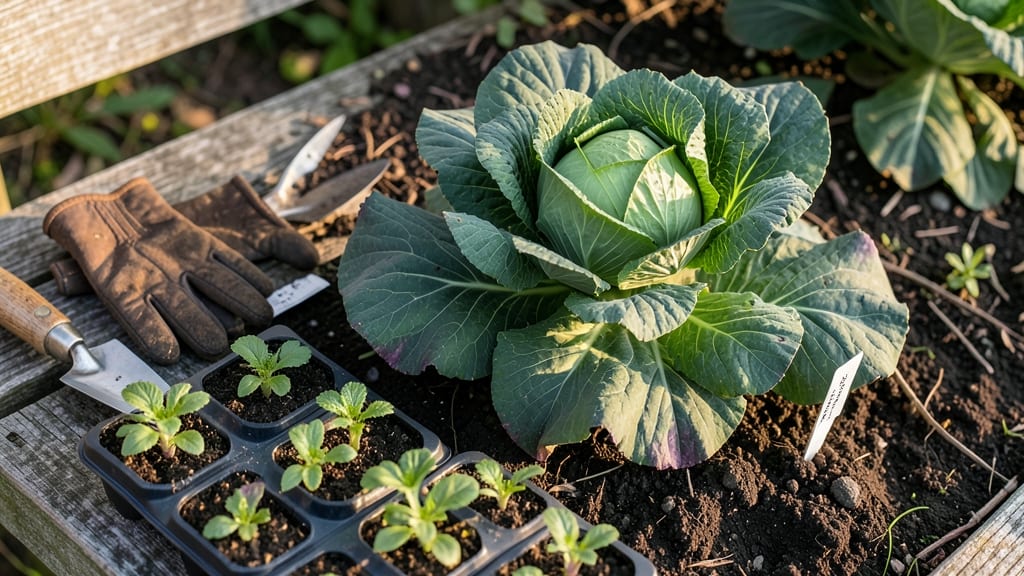
Planting cabbage at the wrong time in Zone 5 can mean the difference between a bountiful harvest of crisp 🥬 heads and a disappointing garden failure. Unlike heat-loving veggies, cabbage thrives in cooler weather, but getting the timing off by even a few weeks can trigger bolting or stunted growth.
In Zone 5, you’ve got two prime windows: early spring (March–April) and late summer (July–August). But here’s the catch—your last frost date (usually mid-May) and first frost (around mid-October) dictate everything.
Plant too early, and frost will damage young seedlings; too late, and summer heat will send your cabbage shooting up flowers instead of forming heads.
I’ve tested both spring and fall plantings, and the results speak for themselves: succession planting in both seasons maximizes your yield. Whether you’re starting seeds indoors or transplanting hardened-off seedlings, nailing the timing is the key to avoiding common mistakes that ruin cabbage crops.
Ready to grow cabbage that’s firm, flavorful, and ready by late spring or fall? Let’s break down the exact planting schedule, soil prep, and variety choices that work best in Zone 5—so you can finally stop guessing and start harvesting.
Optimal cabbage planting times in Zone 5: spring vs fall schedule
Cabbage thrives in cooler temperatures, but planting at the wrong time in Zone 5 can mean bolting, pests, or poor harvests—so timing is everything for a bountiful crop. In Zone 5, you have two prime planting windows: early spring and late summer.
Each offers unique advantages, but both require precise timing to avoid heat stress or early frost damage. Let’s break down the ideal schedule for each season.
First, determine your last frost date, which typically falls between mid-April and mid-May in Zone 5. For spring planting, you’ll want to start seeds indoors 6–8 weeks before your last frost or transplant hardened seedlings 2–3 weeks before the last frost.
For fall planting, aim to transplant seedlings 8–10 weeks before your first frost, usually in late July or early August.
Soil temperature is critical—cabbage seeds need 45°F (7°C) to germinate, while seedlings thrive in 50–75°F (10–24°C). Planting too early in cold soil or too late in hot soil can stunt growth or trigger bolting. Below is a detailed comparison to help you decide which window suits your garden best.
For spring planting, focus on early-maturing varieties to avoid bolting as temperatures rise. Start seeds indoors in late February or early March to give them a head start. Harden off seedlings for 7–10 days before transplanting into the garden once soil temperatures reach 45°F (7°C).
Use row covers if frost threatens after transplanting to protect young plants.
Fall planting offers a second harvest but requires careful timing. Transplant seedlings in late July or early August, ensuring they have enough time to mature before frost. Choose cold-hardy varieties like Red Express or Early Purple Top, which tolerate cooler temperatures better.
Avoid planting too late—seedlings need 8–10 weeks to reach harvest size before frost.
To calculate your exact frost dates, check the USDA Plant Hardiness Zone Map for your specific location within Zone 5. Northern areas (e.g., Chicago) may have later last frosts, while southern areas (e.g., Pittsburgh) might experience earlier ones.
Adjust your planting schedule accordingly, and always keep an eye on weekly weather forecasts for unexpected temperature shifts.
One common mistake is planting cabbage too early in spring, when soil is still cold. This delays germination and weakens seedlings. Conversely, planting too late in summer can lead to bolting as days shorten and temperatures drop.
Use a soil thermometer to monitor conditions—ideal soil temps for transplanting are between 50–75°F (10–24°C).
If you’re unsure about your local frost dates, consult your local cooperative extension office or use online tools like the Old Farmer’s Almanac. They provide region-specific frost predictions that can help fine-tune your planting schedule.
With the right timing, you can enjoy two cabbage harvests per year in Zone 5—one in spring and one in fall!
How to adjust cabbage planting for Zone 5’s microclimates and common mistakes
Zone 5 spans a wide range of climates, from Chicago’s windy lake-effect zones to Pittsburgh’s humid valleys, and even rural Iowa’s dry prairie regions. These microclimates mean your last frost date can vary by 2-3 weeks, throwing off planting schedules if you’re not careful.
For example, Chicago’s average last frost is April 15, while Pittsburgh’s is May 1—a critical difference for cabbage seedlings that can’t handle frost.
Transplanting is where many gardeners stumble. Hardened-off seedlings must go into the ground when soil reaches 45°F (7°C), but timing this in northern vs. southern Zone 5 requires local frost data.
I’ve found that using a soil thermometer and checking weekly soil temps in March saves more cabbage than any other tip. Even a 5°F difference can mean the difference between thriving plants and stunted growth.
⚠️ WARNING: These 3 Mistakes Wipe Out Cabbage Yields in Zone 5 ⚠️
⚠️ Planting Too Early Without Frost Protection
Problem: Seedlings planted before April 1 in most of Zone 5 risk frost damage, even with row covers. I’ve seen entire trays of seedlings blackened overnight when temps dropped to 28°F (-2°C).
Solution: Use black plastic mulch or cloche tunnels to raise soil temps by 5-10°F. For extra safety, start seeds indoors 6-8 weeks before your last frost date.
Another common error is overcrowding seedlings during transplanting. Cabbage needs 18-24 inches of space to form proper heads, but many gardeners squeeze them too close, leading to puffy, loose heads or disease spread.
I once lost a $40 batch of seedlings to clubroot because I didn’t thin them properly—now I mark rows with stakes every 2 feet before planting.
For fall planting, aim for July 15-August 15 in Zone 5’s southern edge (like Cincinnati) but shift to August 1-September 1 in northern areas (like Duluth60-80 days before first frost. Use fast-maturing varieties like ‘Early Jersey Wakefield’ (58 days) if your season is short.
One mistake I see repeatedly is ignoring soil pH. Cabbage thrives in pH 6.0-7.0, but many Zone 5 soils are too acidic (pH < 6.0) due to years of composting organic matter.
Test your soil in early spring and amend with lime (if pH < 6.5) or sulfur (if pH > 7.0). I raised my garden’s pH from 5.8 to 6.5 last year, and my cabbage heads were 30% larger.
Finally, watering inconsistently is a silent killer. Cabbage needs 1-2 inches of water weekly, but many gardeners either drown it after transplanting or let it dry out during heatwaves.
I set up a drip irrigation system on a timer for my cabbage patch—it’s saved me from bolting and bitter-tasting heads every summer.