
Companion Plants
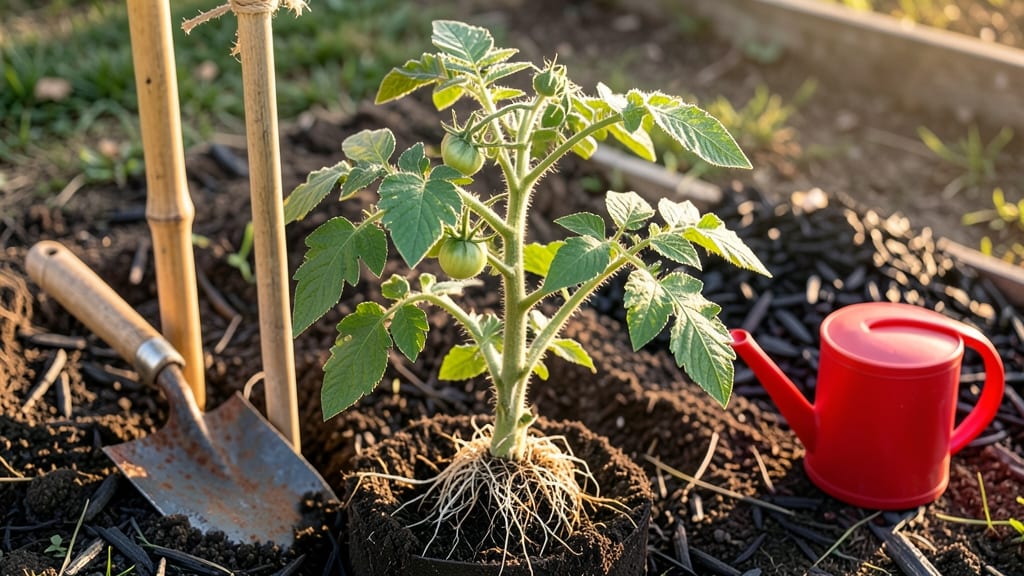
Planting tomatoes in Florida isn't just about grabbing seeds and sticking them in the dirt—timing is everything, and getting it wrong can mean the difference between a bountiful harvest of juicy 🍅 and a sad, wilted plant.
Unlike other states with harsh winters, Florida’s warm climate lets you grow tomatoes year-round, but that doesn’t mean you can plant whenever you feel like it.
The secret to success lies in understanding your local heat zone and soil temperature. Whether you're in chilly North Florida or balmy South Florida, planting too early or too late can stress your tomatoes, leading to poor growth or even death.
I’ve learned the hard way that waiting for the right moment—when soil hits at least 60°F—makes all the difference.
In this guide, I’ll walk you through the best months to plant tomatoes in Florida, whether you’re starting seeds indoors or sowing directly into the garden. You’ll also discover how to adjust for your specific region, from early starts in cooler areas to staggered plantings for a never-ending harvest.
Let’s get those tomatoes thriving!
Ready to skip the guesswork and grow like a pro? The right timing isn’t just about luck—it’s about strategy, and I’ve got the insider tips to help you nail it.
Florida heat zones & best planting months for tomatoes
Florida’s unique climate—with its 11 distinct heat zones (A-D)—creates perfect conditions for growing tomatoes year-round. But planting at the wrong time can lead to poor germination, heat stress, or even plant death.
Understanding your zone helps you time plantings to avoid frost risks in the north and summer heat exhaustion in the south.
Each zone (A-D) has different last frost dates and soil temperature triggers. For example, Zone A (North Florida) may experience frost as late as January 15th, while Zone D (South Florida) rarely sees frost at all.
This means your planting window shifts dramatically—from February-March in cooler zones to June-July in the hottest areas.
Key rule: Tomatoes need soil temperatures of at least 60°F to thrive. In cooler zones, use black plastic mulch to warm the soil faster. In hotter zones, focus on shade cloth and drought-resistant varieties to beat the summer heat.
Below is a zone-by-zone breakdown of the best months to plant tomatoes in Florida, including tips for seed starting, transplanting, and harvest timing to maximize your yield.
| Zone | Best Planting Months | Soil Temp Requirement | Harvest Window | Key Tips |
|---|---|---|---|---|
| A (North FL) | Feb-Mar (early), Jun-Jul (late) | 60°F+ | May-Oct (early), Aug-Dec (late) | Use row covers for frost protection |
| B (Central FL) | Jan-Feb (early), Jun-Jul (late) | 60°F+ | Mar-Nov (early), Jul-Dec (late) | Mulch to retain moisture |
| C (South FL) | All year (staggered) | 65°F+ | Feb-Jan (continuous) | Use shade cloth in summer |
| D (South FL) | Year-round (heat-tolerant varieties) | 70°F+ | Mar-Feb (continuous) | Drip irrigation recommended |
In Zone A (North Florida), where frost is a real risk, I recommend starting seeds indoors in January and transplanting outdoors after your last frost date (typically mid-February). For a second harvest, plant heat-tolerant varieties like 'Solar Fire' in June-July to avoid summer heat stress.
For Zone B (Central Florida), you can plant tomatoes as early as January in protected beds or under row covers. However, March-April is ideal for most gardeners. If you want a fall harvest, sow seeds in June-July for a late-season crop before cooler weather sets in.
Gardeners in Zones C and D (South Florida) have the luxury of planting tomatoes year-round. However, I still recommend staggered plantings every 4-6 weeks to ensure a continuous harvest. In summer, focus on heat-resistant varieties like 'Heatmaster' and use shade cloth to protect plants from excessive heat.
Pro tip: Use a soil thermometer to confirm temperatures before planting. Tomatoes won’t germinate well in soil below 50°F, and seedlings may struggle if soil temps drop below 60°F. In hotter zones, aim for 70°F+ to prevent blossom drop and ensure fruit set.
Another key strategy is succession planting. By planting new seeds or seedlings every 2-3 weeks, you can extend your harvest season and avoid overwhelming your plants
Soil temperature & tomato seedling success: what to watch for
Tomato seedlings thrive when soil temperatures hit the right balance—too cold and they rot, too hot and they struggle to establish roots. In Florida, where soil warms quickly, understanding these thresholds is key to avoiding seedling death or stunted growth.
The magic numbers? 50°F for germination and 60°F+ for transplanting. Without these, even the hardiest varieties like Celebrity or Solar Fire will fail to take hold.
Unlike cooler climates, Florida gardeners can’t rely on spring frost dates alone. Instead, soil warmth dictates your planting window.
For example, North Florida’s Zone 8a may need to wait until mid-March for safe transplanting, while South Florida’s Zone 10a can start as early as January—but only if the soil is warm enough. Skipping this step often leads to leggy, weak seedlings that never recover.
- 50°F+: Minimum for seed germination. Use a seedling heat mat if starting indoors before this threshold.
- 60°F+: Safe for transplanting seedlings outdoors. Test with a soil thermometer at 2-inch depth.
- 70°F+: Ideal for rapid root growth. Use black plastic mulch to raise soil temps by 5–10°F.
- 80°F+: Risk of heat stress. Provide shade cloth or afternoon shade for young plants.
- DIY Test: Press your hand into the soil for 5 seconds. If it feels warm but not hot, it’s likely 60°F+.
Testing soil temperature is easier than you think. A $10 soil thermometer from your local garden center gives precise readings, but you can also use DIY methods. For instance, bury a thermometer in a cup of water near your planting area for 30 minutes—this mimics soil conditions.
Alternatively, use the "hand test": Press your palm into the soil for 5 seconds. If it feels warm but not scorching, you’re likely in the 60–70°F sweet spot for transplanting.
Cold soil is the silent killer of tomato seedlings. When temperatures dip below 50°F, seeds may rot in the soil or seedlings develop damping-off disease, a fungal infection that cuts them off at the stem.
To prevent this, I’ve had success using black plastic mulch laid down 2–3 weeks before planting. This raises soil temps by 5–10°F and suppresses weeds—double the benefit. For organic gardeners, straw mulch works too, though it warms soil more slowly.
Once your seedlings are in the ground, monitor soil temps daily during Florida’s unpredictable shoulder seasons (March and October). Sudden drops can happen overnight, especially in North Florida. If temps dip below 55°F, cover seedlings with a frost blanket or move pots to a sheltered spot.
Remember, tomatoes are tropical plants at heart—they hate cold feet more than they dislike heat.
Pro tip: Pair your soil temp checks with a moisture test. Warm soil dries out faster, so increase watering slightly when temps rise above 70°F. Aim for 1–2 gallons of water per plant in the morning to keep roots cool and active.
With the right soil warmth and moisture balance, your Florida tomato plants will bolt upright and reward you with a harvest that lasts from spring to fall.