
Plants
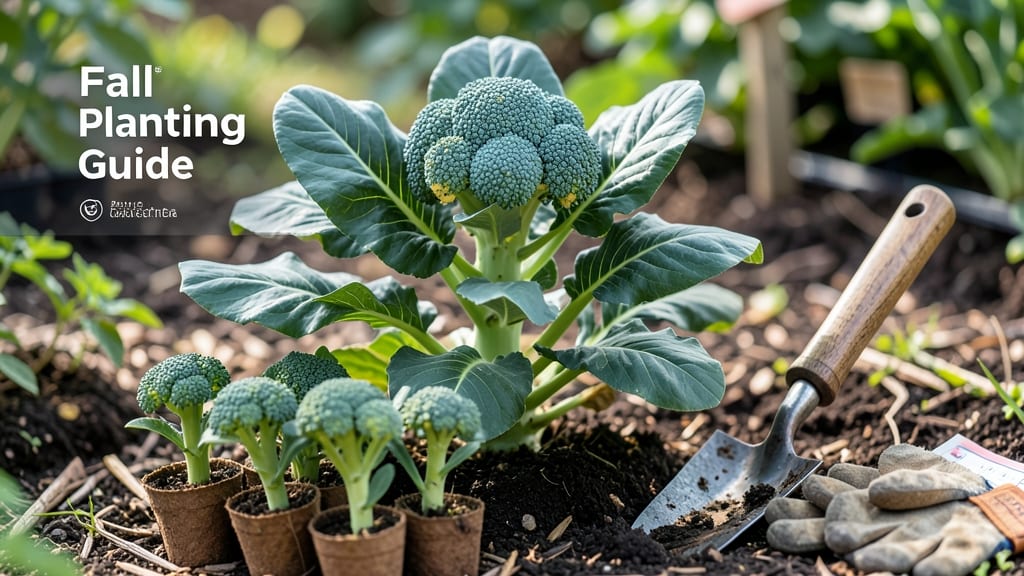
Planting broccoli 🥦 in North Florida isn’t just about throwing seeds into the ground—it’s about outsmarting the heat and humidity to avoid bitter, bolted plants.
The key to a thriving fall harvest lies in timing your late August to early September window, when temperatures start cooling just enough to let your broccoli focus on growing heads instead of flowering.
Most gardeners in zone 8a make one critical mistake: waiting too long to plant. By mid-September, the days grow shorter and cooler, but if you miss that sweet spot, you’ll end up with broccoli that either struggles to mature or bolts prematurely.
I’ve learned the hard way that patience pays off—those 60 to 75 days to harvest are a tight window, and rushing it means sacrificing quality.
What sets North Florida apart is the need to balance humidity and temperature. Unlike cooler climates, our summers can linger into early fall, stressing broccoli plants. The solution?
Start with heat-tolerant varieties and give them a head start indoors or under shade cloth. Once planted, consistent moisture and afternoon shade become your secret weapons against bolting.
In this guide, I’ll break down the exact dates, soil prep tricks, and microclimate adjustments to ensure your broccoli thrives from transplant to harvest. Let’s turn your fall garden into a zero-bolt success story—no guesswork, just results.
North Florida broccoli planting calendar: exact fall dates for zero bolting
North Florida’s fall broccoli success hinges on precise timing—plant too early, and heat stress triggers bolting; too late, and winter frost ruins your crop. The key window is late August through early September, when soil temperatures drop below 85°F but remain above 55°F at night.
This 6-week window gives seedlings time to establish roots before cooler weather sets in.
Broccoli thrives in USDA Zone 8a, where North Florida falls, but microclimates vary dramatically. Jacksonville’s coastal humidity demands earlier planting (late August), while Tallahassee’s inland dryness allows a slightly later start (early September). Gainesville’s elevation creates a middle ground, with ideal dates falling in mid-to-late August.
Each region’s first frost date (around December 15) serves as your harvest deadline.
| Region | Best Planting Window | Soil Temp Threshold | Transplant Timing | Harvest Window |
|---|---|---|---|---|
| Jacksonville | Late August - Early September | 55°F - 85°F | 4-6 weeks before first frost | November - Early January |
| Gainesville | Mid-to-Late August | 50°F - 80°F | 5-7 weeks before frost | October - December |
| Tallahassee | Early September | 55°F - 82°F | 6 weeks before frost | November - January |
Before planting, prepare your garden beds with organic matter—broccoli craves well-draining, slightly acidic soil (pH 6.0-7.0).
Work in 2-3 inches of compost or aged manure 2-3 weeks before transplanting to give microbes time to colonize. Test your soil for phosphorus and potassium levels; broccoli needs 10-10-10 fertilizer at planting and again when heads form.
Transplant 4-6 week old seedlings (not older) to avoid transplant shock. Harden them off for 7-10 days before moving outdoors by gradually exposing them to morning sun and evening shade.
Plant 18-24 inches apart in rows 30 inches apart to allow airflow and prevent disease pressure. Mulch heavily with straw to retain moisture and suppress weeds—critical in North Florida’s hot, dry spells.
Monitor soil moisture closely; broccoli bolts when stressed. Water deeply 1-2 inches per week, focusing on the root zone.
Use drip irrigation or soaker hoses to keep leaves dry and prevent fungal diseases like downy mildew. Avoid overhead watering after 10 AM to minimize evaporation and leaf burn from intense afternoon sun.
Watch for heat stress signs: yellowing leaves, stunted growth, or premature flowering.
If temperatures rise above 90°F, provide 30-40% shade cloth during peak hours (11 AM - 3 PM). Heat-tolerant varieties like 'De Cicco' or 'Waltham 29' handle North Florida’s late-summer heat better than standard types, but even they need protection during heatwaves.
Succession plant every 2-3 weeks after your initial window to extend harvests. For example, if you plant August 25, follow with September 10 and September 25 for staggered maturity.
This 3-plant strategy ensures fresh broccoli from November through January, even if early plants bolt or late ones face frost.
Harvest when heads reach 4-6 inches wide and are deep green with no yellowing. Cut stems 5-7 inches below the head to encourage side shoots, which produce 2-3 smaller heads over 4-6 weeks.
Store harvested broccoli in the fridge for 5-7 days or freeze for up to 12 months to preserve nutrients.
Pro tip: Use row covers in late fall to extend harvests by 2-3 weeks. Lightweight fabric (like frost cloth) traps heat during the day and insulates at night, protecting tender plants from light frosts (28-32°F). Remove covers during warmer days to prevent overheating.
How to prevent broccoli bolting in North Florida’s unpredictable climate
North Florida’s unpredictable heat spikes and humidity swings can trigger broccoli to bolt prematurely, sending your plants into flowering mode instead of producing those coveted heads. The key to success lies in strategic timing and environmental control—especially when temperatures flirt with 85°F+ during fall transitions.
Bolting occurs when broccoli senses heat stress or drought signals, prompting it to focus on seed production. In North Florida’s USDA Zone 8a, this typically happens between mid-September and October if conditions aren’t managed properly.
The good news? With the right shade strategies, soil moisture balance, and companion plants, you can extend your harvest window by 4-6 weeks.
⚠️ Critical Mistake Alert: Overwatering in Heat
North Florida’s humidity makes it easy to overcompensate with water, but soggy soil triggers bolting just as much as drought. Test soil moisture by sticking your finger 1-2 inches deep—water only when dry. Morning watering (before 10 AM) prevents evening evaporation, reducing stress signals to your plants.
Start by investing in 30-50% shade cloth to protect seedlings during late summer heat. Install it when daytime temps exceed 80°F, removing it gradually as September cools. Pair this with mulch (2-3 inches of straw) to regulate soil temperature and retain moisture.
I’ve found that black plastic mulch works best in North Florida—it warms the soil slightly in fall while suppressing weeds.
Don’t underestimate the power of companion planting. Surround your broccoli with bush beans, lettuce, or celery to create a microclimate that stays cooler and more humid. These plants also compete with weeds, reducing the need for stress-inducing cultivation.
For extra insurance, interplant with nasturtiums—their pest-repelling properties keep cabbage worms at bay without chemical interventions.
When it comes to watering frequency, consistency is key. Broccoli needs 1-2 inches of water weekly, but in North Florida’s high humidity, you’ll often need to adjust based on rainfall. Use a moisture meter to avoid guesswork—aim for soil that’s moist but not saturated.
Pro tip: Drip irrigation delivers water directly to roots, minimizing leaf wetness that can lead to disease pressure during our damp falls.
For bolting-prone varieties like Calabrese, consider succession planting every 2-3 weeks from late August through September. This staggered approach ensures a continuous harvest while spreading out the risk of heat-related bolting. Save the most heat-tolerant varieties (like De Cicco) for your latest plantingsSeptember heat spikes.
Remember, broccoli’s ideal growing temperature is 60-70°F. When nighttime temps drop below 50°F in late fall, use row covers to protect young plants.
This dual strategy—shade during heat and protection during cool snaps—is what separates thriving broccoli gardens from bitter disappointments in North Florida’s unpredictable climate. 🌱