
Companion Plants
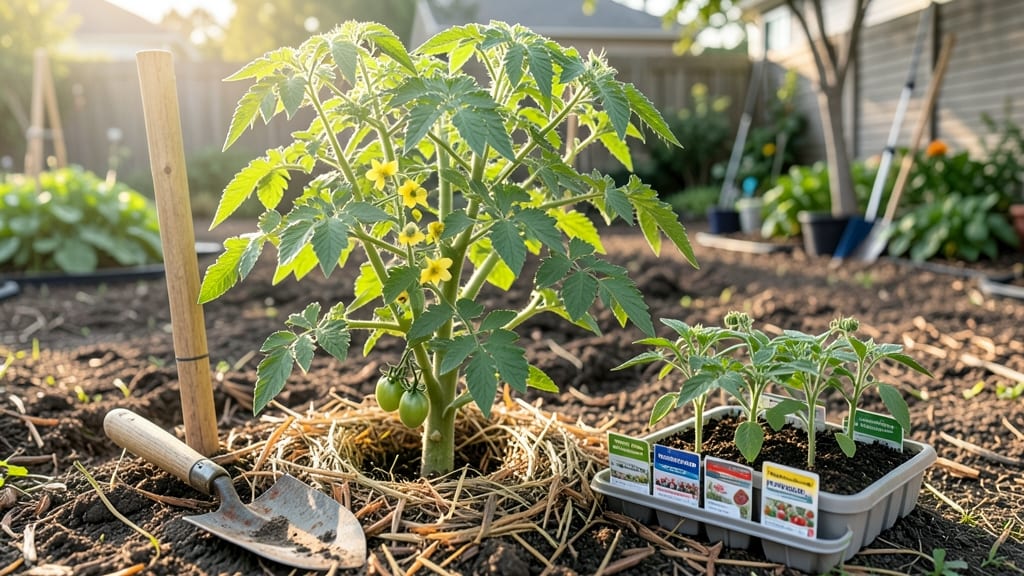
Planting tomatoes in Ohio at the wrong time can mean the difference between a bumper crop and a sad, frost-nipped disappointment. With USDA Zone 6a frost dates that shift yearly, knowing exactly when to plant your 🍅 is the key to success.
Most Ohio gardeners wait until after the last frost—typically mid-April to early May—but soil temperature matters just as much. Tomatoes need warm earth to thrive, so rushing them out too soon can stunt their growth.
I’ll show you how to time it perfectly, whether you’re starting seeds indoors or transplanting seedlings.
From extending your growing season with row covers to choosing the right tomato varieties for Ohio’s climate, this guide covers all the essentials. You’ll learn how to avoid common mistakes and maximize your harvest from July through October.
Ready to grow the juiciest tomatoes Ohio has to offer? Let’s dive into the frost-free timeline that works for your heat zone.
Ohio’s frost-free dates by heat Zone: when to plant tomatoes safely
Ohio’s diverse climate means tomato planting windows vary dramatically from northern Ohio (Zone 5) to southern Ohio (Zone 7). In cooler zones, a late frost in May can destroy young plants, while southern Ohio gardeners might face heat stress if planting too early.
The key is aligning your planting schedule with average last frost dates and soil temperatures—tomatoes need both to thrive.
For Zone 5 (northwest Ohio), the last frost typically arrives around May 10-15, but soil may not warm to the 60°F minimum until late May. In Zone 7 (southwest Ohio), you can plant as early as mid-April in well-drained beds.
These variations explain why successful tomato growing in Ohio depends on knowing your exact heat zone and adjusting your timeline accordingly.
Soil temperature is just as critical as frost dates. Tomatoes won’t germinate well below 55°F, and roots struggle to establish in cold soil. Using black plastic mulch or row covers can warm soil by 5-10°F, giving you a 2-3 week head start in cooler zones. I’ve seen gardeners in Zone 6 push their planting window back by 10 days simply by covering their beds early.
Here’s how Ohio’s USDA heat zones 5-7 break down for tomato planting, including average last frost dates, ideal planting windows, and soil temperature benchmarks:
If you’re in Zone 5, don’t rush to plant outdoors. Instead, start seeds indoors 6-8 weeks before your last frost date (around March 20-25) for transplanting-ready seedlings by late May.
I’ve had the best luck with ‘Early Girl’ tomatoes in my Zone 5 garden—they mature in just 55-65 days, giving you a harvest before summer heat sets in.
For Zone 6 gardeners, the window is narrower but still flexible. Plant transplants after May 1 to avoid frost, but if you use row covers, you can push it back to April 25.
I recommend ‘Better Boy’ or ‘Celebrity’ varieties for this zone—they handle Ohio’s humid summers better than heat-sensitive types. Always bury 1/3 of the stem when transplanting to encourage deeper root growth.
In Zone 7, you’ve got the luxury of earlier planting, but don’t assume you can ignore timing. Soil in southern Ohio can still be too cold for germination before mid-April.
For a longer harvest, try succession planting: sow seeds every 2 weeks from April 15 to May 15. This works especially well with determinate varieties like ‘Roma’ or ‘Patio’, which produce fruit in clusters over a shorter window.
One mistake I see often is planting tomatoes too late—even in Zone 7. If you wait until June, your plants won’t have enough time to mature and produce fruit before Ohio’s first frost in mid-October.
Aim to have transplants in the ground by May 15 at the latest, regardless of your zone. For late-season varieties, consider heat-tolerant types like ‘Solar Fire’ or ‘Heatmaster’ that can handle summer’s peak temperatures.
Pro tip: Use a soil thermometer to confirm temperatures before planting. If your soil is below 60°F, wait another week—even if the air feels warm. I’ve lost entire tomato beds to poor germination because I rushed planting when soil was still cold.
Patience pays off with stronger plants and bigger yields later in the season.
🌱
How to extend your Ohio tomato growing season with smart techniques
Ohio’s short growing season can feel like a race against time for tomato lovers. But with the right strategies, you can push harvests earlier in cooler zones or delay ripening in hotter areas.
The key? Protecting young plants from late frosts and extending warmth into fall. I’ve tested these methods in my own garden—some work better than others, but all can add weeks of harvest time.
For gardeners in USDA zones 5-6 (northern Ohio), the goal is to start tomatoes early while avoiding frost damage. In zone 7 (southern Ohio), the focus shifts to delaying harvests past the first frost.
Both approaches rely on the same tools: cold frames, row covers, and strategic planting schedules. Let’s break down how to use them effectively.
- 🌱 Cold Frames (Zones 5-6): Start seeds 4-6 weeks before your last frost date (e.g., mid-March in Columbus). Use clear plastic lids to trap heat—soil temps can rise 10-15°F above ambient. Transplant hardened-off seedlings 2-3 weeks earlier than usual.
- 🛡️ Row Covers (All Zones): Cover seedlings with floating row covers until plants are 12-18 inches tall. This protects against late frosts (28°F tolerance) and early heat waves. Remove covers when flowers appear to prevent overheating.
- 🌡️ Black Plastic Mulch (Zones 6-7): Lay down mulch 1-2 weeks before planting to warm soil 5-10°F faster. This lets you plant 10-14 days earlier in spring and extend harvests by 2-3 weeks in fall.
- ⏰ Succession Planting (All Zones): Sow fast-maturing varieties (50-60 days) every 2-3 weeks from May to July. For example, plant ‘Early Girl’ (60 days) in early May, then ‘Celebrity’ (70 days) in late June for a staggered harvest.
- 🌿 Greenhouse or Hoop House (Zones 5-6): Extend the season by 6-8 weeks using a small greenhouse. Start seeds indoors in February and transplant in early April. Use a thermometer to maintain 70-80°F day temps.
Timing is critical for these methods. In northern Ohio (zone 5), I’ve had success using cold frames to plant outdoors by April 1st—even when nighttime temps dip to 30°F.
The secret? Hardening off seedlings for 10-14 days before transplanting and using straw mulch around the base to insulate roots.
For southern Ohio (zone 7), focus on fall planting. Choose heat-tolerant varieties like ‘Solar Fire’ or ‘Heatmaster’ and sow seeds in late July. Use row covers to protect plants from early October frosts while allowing them to ripen. I’ve harvested tomatoes in early November using this method!
Don’t forget to monitor weather forecasts and adjust your plan. If a late frost is predicted, have row covers or a tarp ready to protect your plants. With these techniques, you can turn Ohio’s unpredictable climate into a tomato-growing advantage. 🌱