
Plants
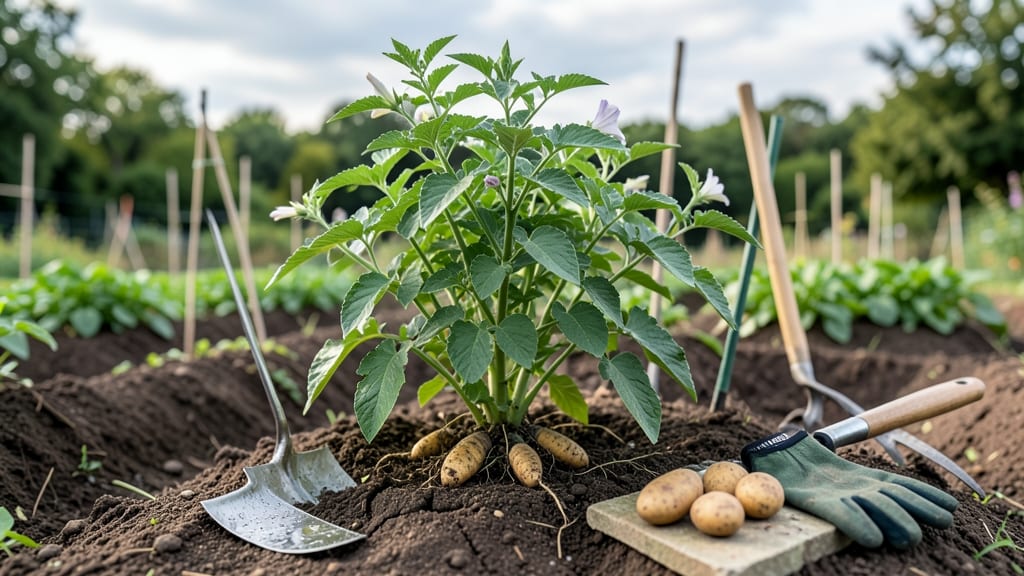
Planting potatoes in Michigan isn’t just about throwing them in the dirt—it’s about timing them perfectly to dodge frost and blight. The ideal window starts as early as mid-April in southern zones but waits until late May in the Upper Peninsula, where frosts linger longer.
You might think all potatoes need the same schedule, but Michigan’s 5b-6b zones create big differences. Early varieties can go in the ground weeks before late-season ones, and soil temperature (at least 45°F) is your real deadline, not just the calendar.
Whether you’re starting with seed potatoes or seedlings, this guide breaks down the exact months for each zone—plus how to adjust if Mother Nature throws curveballs. No more guessing whether your 🥔 harvest will survive the season.
Let’s dig into the science behind Michigan’s planting calendar so you can enjoy homegrown spuds without the frost worries.
Michigan potato planting calendar by USDA Zone: exact dates for frost-free success
Michigan’s USDA Zones 4-6 create unique challenges for potato growers. The Upper Peninsula (Zone 4) faces colder springs, while the Lower Peninsula (Zones 5-6) enjoys slightly warmer conditions. To avoid frost damage and blight, timing is everything—soil must reach 45°F+ consistently before planting.
Early varieties like Yukon Gold need 60-70 days to mature, while late varieties like Kennebec require 100+ days. Planting too early risks frost; too late, and late blight cuts harvests short. Here’s your zone-specific planting calendar to maximize success.
| USDA Zone | Last Frost Date | Soil Temp Threshold | Early Varieties | Mid Varieties | Late Varieties |
|---|---|---|---|---|---|
| Zone 4 (Upper Peninsula) | May 10-20 | 45°F+ (consistent) | April 15-May 5 | May 10-20 | May 25-June 5 |
| Zone 5 (Northern Lower Peninsula) | April 25-May 10 | 45°F+ (consistent) | April 1-May 1 | April 25-May 15 | May 10-June 1 |
| Zone 6 (Southern Lower Peninsula) | April 15-25 | 45°F+ (consistent) | March 25-April 15 | April 10-May 1 | May 1-June 1 |
🌱 Note: Adjust dates 1-2 weeks later for high-altitude areas or cold microclimates.
For Zone 4 (Upper Peninsula), wait until after May 10 to plant early varieties. The soil must stay above 45°F for 7+ days to prevent rot. Use black plastic mulch to warm soil faster if needed.
Late varieties can go in as late as June 5, but prioritize blight-resistant types like Red LaSoda.
Gardeners in Zone 5 (Northern Lower Peninsula) have a slightly longer window. Start early varieties by April 1 if soil warms early, but be ready to cover seedlings with frost cloth if nights dip below 32°F.
Mid-season varieties like Russet Burbank thrive when planted by May 15, giving them time to bulk up before summer heat.
In Zone 6 (Southern Lower Peninsula), you can push the envelope with indoor starts as early as March 25 for early varieties. Transplant outdoors when soil hits 50°F+. Late varieties planted by June 1 still yield well if given consistent moisture and evening shade during August’s heat waves.
Always check your local Michigan State University Extension frost data for your exact county. A late frost in Zone 5 can delay planting by weeks, while early warm spells in Zone 6 might tempt you to plant too soon.
When in doubt, use a soil thermometer—45°F is your magic number for safe planting.
Pro tip: Plant early and late varieties simultaneously to stagger harvests. This spreads risk if one batch fails to late blight or early frost. For example, in Zone 5, plant Red Pontiac (early) in April and Kennebec (late) in May for a 3-month harvest window
If your spring is unusually cold, consider container growing. Fill large pots with well-draining mix and place them near a south-facing wall. This lets you plant 2-3 weeks earlier than ground planting, as containers warm faster. Just ensure pots have drainage holes to prevent rot. Finally, mark your calendar for first frost dates: Mid-October in Zone 6 and Early October in Zone 4. Late varieties need 100+ days to mature, so time your planting to finish harvests before September 15 in colder zones. With this schedule, you’ll enjoy homegrown potatoes from
How to adjust planting for Michigan’s unpredictable weather: tips for late frost years
Michigan’s unpredictable late frosts can turn a promising potato crop into a sad, frozen mess. Even if you’ve planned perfectly, a random 28°F night in early May can devastate your seed potatoes.
The key? Flexibility and preparation. I’ve learned that cold-hardy varieties and soil-warming tricks are my best defenses against Mother Nature’s curveballs.
Start by choosing late-blight-resistant varieties like Yukon Gold or Kennebec, which handle cooler soils better than delicate fingerlings. These varieties also mature faster, giving you a buffer if frost lingers.
Pair them with row covers or black plastic mulch to accelerate soil warming by 5-10°F—critical when temperatures hover near 45°F.
Here’s my 3-step risk assessment for adjusting planting in frost-prone years:
- Step 1: Delay planting until soil reaches 45°F+ (use a soil thermometer). In my USDA Zone 5b garden, this often means waiting until mid-May instead of early April.
- Step 2: Use cloches or row covers for 2-3 weeks post-planting to create a 5°F warmer microclimate. I’ve saved entire rows with floating row covers during 28°F dips—just secure them tightly!
- Step 3: Plant late varieties (like Russet Burbank) in early June if frost risk persists. These take longer to mature but avoid early blight threats.
Don’t forget black plastic mulch—it’s my secret weapon for soil warming. Lay it down 2 weeks before planting to raise soil temps by 10°F+.
Pair it with straw mulch afterward to retain moisture and deter weeds. I’ve seen Yukon Gold potatoes sprout 3 weeks faster with this combo!
For high-risk zones (like the Upper Peninsula), consider container growing. Fill pots with well-draining mix and move them to a sunny porch at night if frost is forecasted. This gives you full control over microclimates—no more gambling on the weather.
Finally, monitor your local frost dates using the Michigan State University Extension frost maps. Adjust your planting by 2-4 weeks later if your area has a history of late frosts. Last year, I shifted my Kennebec potatoes from mid-April to early May—and avoided 90% of frost damage.
With these adjustments, you’ll outsmart Michigan’s weather and still enjoy a bountiful potato harvest. The trick? Stay flexible, use protective gear, and trust your soil thermometer over the calendar. Happy planting! 🌱