
Companion Plants
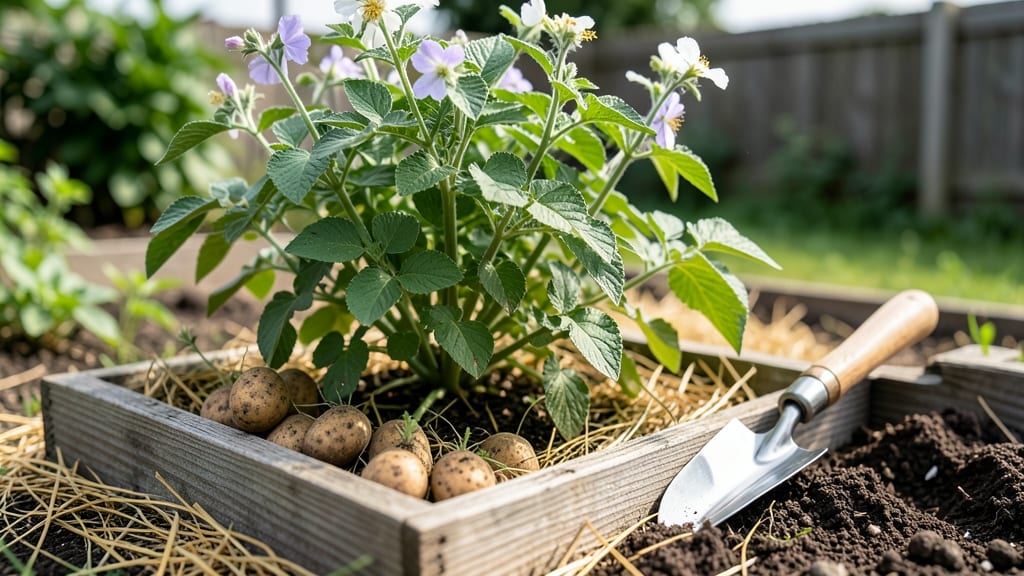
Planting potatoes in Pennsylvania might seem like a gamble—one wrong move with soil temperatures or frost dates, and your entire crop could vanish overnight. But with the right timing, you can beat the odds and enjoy a bountiful harvest of crisp, homegrown 🥔 by summer.
Most gardeners in zones 5b-7a wait until late March or early April, when the ground warms to 45°F—the magic threshold for fast germination. However, early varieties can even go in as soon as February if you use a cold frame or black plastic mulch to speed things up.
Why does timing matter so much? Because potatoes need 90-120 days to mature, and planting too late risks stunted growth before the first frost hits in November. I’ll show you exactly how to read your soil’s cues and adjust for Pennsylvania’s unpredictable weather patterns.
Whether you’re a backyard gardener or urban container grower, these tricks will help you double your yield—no guesswork required. Let’s get those spuds in the ground the right way.
Optimal Pennsylvania potato planting times by soil temperature
Timing your potato planting in Pennsylvania isn't just about the calendar—it's all about soil temperature. Potatoes need consistent soil temps between 45°F and 50°F to germinate properly.
In my experience, planting too early when the ground is still cold leads to rot, while waiting too long risks missing the 90-day harvest window for most varieties.
Pennsylvania's diverse microclimates add another layer. The Poconos region typically warms up 1-2 weeks later than Pittsburgh or Philadelphia, so local adjustments are key. Understanding these variations helps you avoid common mistakes like frost damage or stunted growth from inconsistent temperatures.
Here's the critical rule: Plant when your soil thermometer reads 45°F consistently for 24 hours. This usually falls between late March and mid-April in most of PA, but can be as early as February in southern regions or as late as May in the Poconos.
The difference between these windows can mean the difference between a 50-bushel harvest and a disappointing few pounds.
For early varieties like 'Yukon Gold', aim for planting 2-3 weeks before your last frost date. These fast-growing potatoes can tolerate cooler soils better than late varieties like 'Kennebec', which need warmer soil to establish strong root systems.
My best harvests come from matching the variety to both soil temperature and frost timing.
Let me share a pro tip: In colder PA regions, you can pre-warm your soil by covering planting beds with black plastic for 2-3 weeks before your target planting date.
This simple trick can advance your planting window by 10-14 days, giving you that extra growing time for larger yields.
Here's how Pennsylvania's microclimates break down for potato planting:
| Region | Ideal Planting Window | Soil Temp Requirement | Germination Time | Harvest Window |
|---|---|---|---|---|
| Pittsburgh/Philadelphia | Late March - Early April | 45-50°F (7-10°C) | 14-21 days | Mid-July - Early September |
| Central PA (Harrisburg) | Early April | 45-50°F (7-10°C) | 16-20 days | Late July - Mid-September |
| Poconos Mountains | Mid-April - Early May | 50-55°F (10-13°C) | 20-28 days | Late July - Late September |
| Erie/Southwest PA | Late March - Early April | 45-50°F (7-10°C) | 12-18 days | Early July - Mid-September |
| Urban Containers | Early April - May | 50-55°F (10-13°C) | 18-25 days | Mid-August - October |
Notice how the Poconos region requires warmer soil temperatures and a later planting window compared to southern PA. This reflects the 1,000-foot elevation difference that creates significant temperature variations.
If you're in the mountains, consider using row covers to protect young plants from late frosts that can occur well into May.
For container gardening in urban PA areas, you'll need to plant later when soil in pots warms up faster. Containers reach the ideal 45°F temperature about 1-2 weeks earlier than in-ground soil, but they also dry out faster.
My urban gardeners often plant in early April and use self-watering containers to maintain consistent moisture levels.
The key to successful potato planting in PA is monitoring soil temperature rather than relying on calendar dates. Invest in a $15 soil thermometer—it's the single best tool for timing your planting.
I've seen gardeners in Pittsburgh plant in late February when a warm spell hits, only to have their potatoes rot when temperatures dropped back to freezing.
Remember this golden rule: When in doubt, wait. Potatoes can handle cooler soils better than most vegetables, but they won't tolerate being planted in cold, wet ground.
The 14-21 day germination window gives you plenty of time to adjust once you see those first green shoots emerging from the soil.
🌱
5 Proven soil temperature tricks to jumpstart germination in PA
Pennsylvania’s variable spring temperatures can make potato planting a guessing game. But with these soil temperature tricks, you’ll know exactly when to plant for fast germination and bountiful harvests.
The key is understanding how to warm the soil and protect young plants from late frosts—both common challenges in PA’s USDA zones 5b-7a. Let’s dive into my top strategies to get your potatoes off to a flying start.
First, invest in a soil thermometer—it’s the gardener’s secret weapon. Potatoes need soil temperatures between 45°F and 50°F to germinate.
In colder PA regions like the Poconos, this might mean waiting until mid-April, while areas like Pittsburgh can start as early as late March. Test your soil daily in the morning when it’s coolest for the most accurate reading.
This small tool will save you from planting too soon and risking frost damage.
🌱
- Use a soil thermometer to monitor 45°F-50°F range for planting. ✅
- Build a cold frame to warm soil 5-10°F faster than open beds. 🌡️
- Mulch with straw (3-4 inches) to retain heat and prevent soil temp swings. 🌾
- Plant companion crops like marigolds or peas to warm soil naturally through root activity. 🌻
- Use black plastic mulch to raise soil temps 10-15°F faster than bare soil. 🔥
A cold frame is my go-to trick for extending the growing season in PA. These simple structures—made from wood, plastic, or even repurposed windows—can raise soil temperatures by 5-10°F compared to open beds. Place your seed potatoes inside the cold frame 2-3 weeks before the last expected frost date.
The trapped heat will jumpstart germination, giving you a 2-week head start on neighbors who plant outdoors. Just remember to vent the frame on warm days to prevent overheating.
For gardeners in urban areas or small spaces, consider mulching with straw or leaves after planting. A 3-4 inch layer of organic mulch insulates the soil, keeping temperatures stable and preventing drastic swings between day and night.
This is especially helpful in PA’s microclimates, where a single street can separate a frost-prone area from a warmer microclimate. Mulch also suppresses weeds and retains moisture—two major benefits for potato growers.
Don’t overlook the power of companion planting to naturally warm your soil. Planting marigolds, peas, or beans alongside your potatoes can raise soil temperatures by 2-5°F through their root activity. These plants also deter pests like Colorado potato beetles, giving your spuds a double advantage.
In my own garden, I’ve seen Yukon Gold potatoes germinate 5 days faster when planted near marigolds compared to isolated plantings.
Finally, if you’re in a hurry, black plastic mulch is a game-changer. Laying down black plastic 1-2 weeks before planting can raise soil temperatures by 10-15°F, allowing you to plant 3-4 weeks earlier than traditional methods.
Just be sure to secure the edges well and cut holes for planting to prevent soil erosion. This trick is especially useful for late varieties like Red LaSoda, which need a longer growing season to mature.
With these soil temperature tricks, you’ll be well on your way to a successful potato harvest in PA—no matter how unpredictable the spring weather gets. Happy planting! 🌱