
Plants
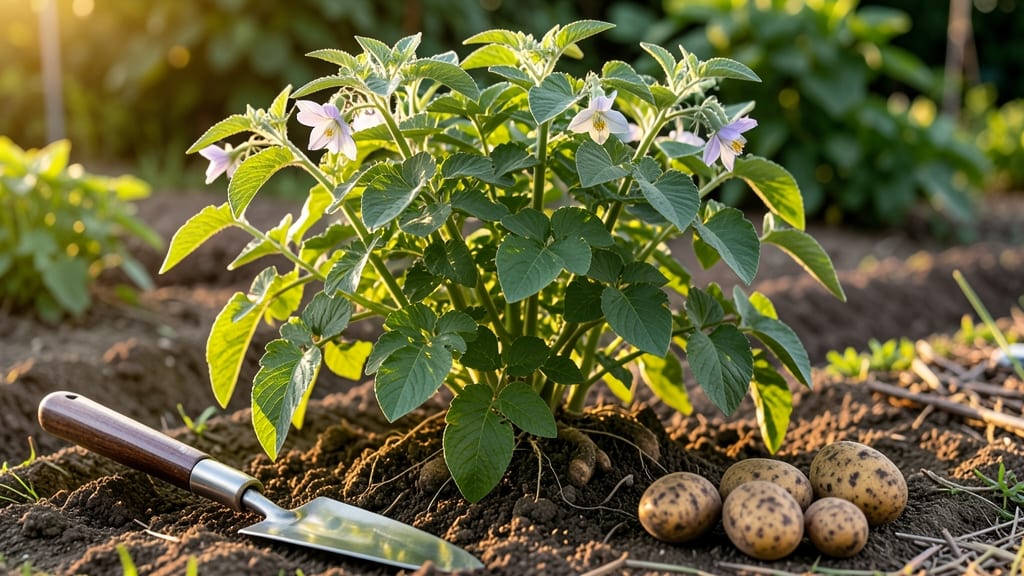
Planting potatoes in Zone 7 at the right time can mean the difference between a garden full of 🥔 and a disappointing harvest. The key is understanding your last frost date and how it affects planting—because timing isn't just about the calendar, it's about the soil's readiness.
Most gardeners in Zone 7 make one of two mistakes: planting too early when the soil is still cold, or waiting too long and risking blight before harvest.
I'll show you exactly when to start seeds indoors or set out seed potatoes for both early and late varieties, so you can avoid these common pitfalls.
We'll cover the science behind soil temperatures, frost-free windows, and how to adjust for your specific microclimate. Whether you're growing Yukon Golds or Fingerlings, these strategies will help you time your planting for maximum yield and minimum stress.
Ready to transform your potato patch? Let's dive into the exact planting schedule that works for Zone 7's unique growing conditions, so you can enjoy homegrown spuds from summer through fall.
Zone 7 potato planting dates by frost timeline: exact weeks before last spring frost
Timing your potato planting in Zone 7 depends on your last spring frost date and the variety you choose. Most gardeners aim to plant 2-6 weeks before the final frost, but the exact window varies.
Cold-hardy varieties like Yukon Gold can handle earlier planting, while heat-sensitive Fingerlings need warmer soil. Let's break down the precise frost-date calculator approach to maximize your harvest.
First, check your local frost dates—most Zone 7 areas experience their last frost between March 15 and April 15.
For example, if your last frost is April 1, you'll want to plant early varieties 4-6 weeks before (by March 1) and late varieties 2-3 weeks before (by March 15). This ensures tubers develop before summer heat sets in.
Use this frost-date calculator as your guide: subtract 4-6 weeks for heat-sensitive varieties and 2-3 weeks for cold-hardy types. For instance, if frost arrives April 10, plant Fingerlings by March 10 and Yukon Gold by March 25. Adjust based on soil temperature—potatoes need 45°F (7°C) for germination.
| Variety Type | Weeks Before Last Frost | Ideal Planting Window (Zone 7) | Soil Temp Requirement |
|---|---|---|---|
| Early (Cold-Hardy) | 3-4 weeks | March 15-April 1 | 45-50°F (7-10°C) |
| Mid-Season | 4 weeks | March 1-April 1 | 50-55°F (10-13°C) |
| Late (Heat-Sensitive) | 4-6 weeks | February 20-March 15 | 55-60°F (13-16°C) |
📅 Adjust for your last frost date
For cold-hardy varieties, like Red Pontiac, you can start planting as early as February 20 in Zone 7 if your soil warms quickly. These potatoes tolerate cooler temperatures and can even handle light frosts.
However, avoid planting too early—soil should be at least 45°F (7°C) to prevent rot. Use a soil thermometer to confirm readiness.
If you're growing heat-sensitive varieties, such as Fingerlings or Purple Peruvian, wait until 4-6 weeks before your last frost. These need warmer soil (55°F/13°C) to thrive.
Planting too early exposes them to blight risks later in the season. For example, if frost hits April 15, aim for planting by March 1.
Pro tip: Succession planting works well in Zone 7. Plant early varieties first (e.g., Kennebec), then follow with mid-season (e.g., Russet) and late varieties (e.g., Sweet Potato) every 2-3 weeks. This stretches your harvest from summer to fall and reduces waste.
Don’t forget to mulch your potato hills with straw or grass clippings after planting. This keeps soil temperatures stable and protects sprouts from late frosts.
Mulching also suppresses weeds and retains moisture—critical for consistent tuber growth. Aim for a 3-4 inch layer once plants reach 6 inches tall.
Monitor your local weather forecasts in the weeks leading up to planting. A sudden cold snap can delay germination, while unusually warm spells might encourage early sprouting. If frost threatens after planting, cover seedlings with frost cloth or row covers until temperatures rise.
This extra protection ensures your potato crop gets off to a strong start.
Finally, remember that Zone 7 has microclimate variations. Areas near large bodies of water or at higher elevations may have later frost dates than inland regions. When in doubt, consult your local cooperative extension office for precise frost data tailored to your specific location.
With the right timing, you’ll enjoy a bountiful potato harvest all season long!
How to adjust planting dates for early vs late potato varieties in Zone 7
Not all potatoes are created equal when it comes to planting timing in Zone 7. Cold-tolerant varieties like Yukon Gold and Red Pontiac can handle early spring planting, while heat-sensitive types such as Fingerlings and Sweet Potatoes need later starts.
The difference in timing can mean the difference between a thriving crop and one that struggles with frost or disease.
In Zone 7, your last spring frost date typically falls between March 15 and April 15, depending on your exact location. This window creates a 4-6 week planting schedule that varies dramatically between early and late varieties. Let's break down the exact adjustments you need to make for each type.
Cold-hardy varieties like Yukon Gold and Red Pontiac can tolerate soil temperatures as low as 40°F (4°C), while heat-sensitive types such as Sweet Potatoes and Fingerlings need soil temperatures above 50°F (10°C) to thrive. This temperature difference alone can shift your planting window by 2-3 weeks.
Cold-Tolerant Varieties (Early Planting)
Pros:
- Plant 3-4 weeks before last frost
- Tolerates 40-50°F soil
- Faster early harvest (60-75 days)
- Lower blight risk in summer
Cons:
- Risk of frost damage if planted too early
- Needs row covers for protection
- Limited late season harvest window
Heat-Sensitive Varieties (Late Planting)
Pros:
- Avoids early frost risks
- Better late season yield
- Extended harvest window (75-90 days)
- Lower disease pressure in cooler soil
Cons:
- Needs warmer soil (50°F+)
- Higher blight risk in summer
- Limited early harvest potential
For cold-tolerant varieties, I recommend starting in early March if your soil is workable, or at least 4 weeks before your last frost date. These potatoes can handle cooler temperatures and will give you an early harvest before summer heat sets in.
Use row covers if frost is still a concern after planting.
When planting heat-sensitive varieties, wait until mid-April or when soil temperatures consistently reach 50°F (10°C). This later start ensures your potatoes won't struggle with cool soil, but it also means you'll need to choose varieties with longer maturity times (75-90 days) to avoid blight issues in late summer.
Remember that soil temperature is more important than air temperature when planting potatoes. Use a soil thermometer to check before planting—this simple tool can save you from planting too early and risking frost damage.
For Zone 7 gardeners, this means waiting until mid-to-late March for cold-hardy types and April for heat-sensitive varieties.