
Plants
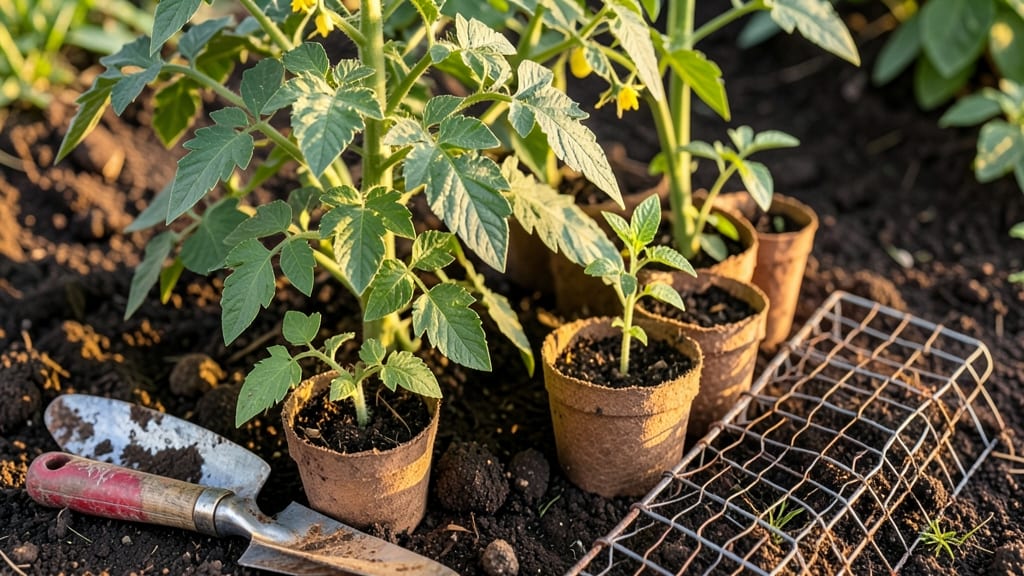
Planting tomatoes in Florida isn’t just about grabbing a seedling and sticking it in the dirt—timing is everything to avoid wilting vines or bitter fruit.
With year-round growing possible but peak heat zones to navigate, knowing the exact windows can mean the difference between a bountiful harvest and a sad, sun-scorched plant.
Most Florida gardeners swear by the February-March and July-August planting peaks, but the truth is more nuanced. Whether you're in North Florida’s 9a zone or South Florida’s 11, the key is avoiding the brutal May-June heat that stresses young plants.
I’ll break down the science-backed windows—plus pro tips to prep your soil and protect your 🍅 from Florida’s unique climate quirks.
You’ll discover how to start seeds indoors for an early edge, when to transplant without shock, and which varieties thrive in Florida’s humid summers. Spoiler: It’s not just about the calendar—soil temperature, mulching, and even afternoon shade play a bigger role than most gardeners realize.
Ready to grow tomatoes that taste like sunshine, not stress? Let’s dive into the heat-zone safe windows that’ll have you picking ripe fruit from April to November—without the guesswork.
Florida’s two best tomato planting windows by heat zone
Florida’s unique climate—spanning USDA Zones 8a to 11—means you can grow tomatoes almost year-round, but timing matters. Unlike northern states, frost isn’t the main threat; instead, extreme heat and humidity can stress plants if planted at the wrong time.
The two best windows align with cooler seasons while avoiding Florida’s brutal summer heat (June–August).
Northern Florida (Zones 8a–9a) has mild winters and benefits from an early spring window (February–March), while southern Florida (Zones 10a–11) thrives with fall plantings (July–August). Even tropical varieties like ‘Heatmaster’ need strategic timing to avoid sun scorch or blossom drop.
Here’s your heat-zone breakdown for planting tomatoes in Florida, including temperature thresholds, frost risk maps, and how to use the USDA Plant Hardiness Zone Map for precision timing. Skip the guesswork and plant for maximum yield.
🌱 Key Tip: Always check your local frost risk map (even in Florida, rare frost can hit North Florida in December). Use the University of Florida IFAS Extension for zone-specific alerts.
In North Florida (Zones 8a–9a), your primary window is February–March, when daytime highs hover around 75–85°F—perfect for seedling growth. July–August offers a second chance, as temps drop slightly before hurricane season ramps up.
Use shade cloth (30–50%) if planting in late summer to protect young plants from intense afternoon sun.
For Central Florida (Zones 9a–9b), you can push planting to January for an early harvest, but avoid April–May when humidity spikes and fungal diseases like early blight thrive. Heat-tolerant varieties like ‘Celebrity’ or ‘Better Boy’ perform best in these zones during summer plantings.
Southern Florida (Zones 10a–11) is the only region where tomatoes can grow year-round, but timing still matters.
Plant in September–November for a cool-season crop before winter rains, or January–March for summer harvests. Avoid May–June entirely—this is when tomato plants wilt under 90°F+ temps and blossoms drop from heat stress.
💡 Pro Tip: Use a soil thermometer to confirm 60°F+ soil temps before planting. Cold soil slows germination and root growth, even in Florida’s warm climate. Aim for 70°F+ for faster seedlings.
Finally, transplant timing is critical. Seedlings need 4–6 weeks to harden off before outdoor planting. In North Florida, start seeds indoors by January for a February transplant. In South Florida, you can direct-sow in September and harvest by December before winter slows growth.
By following these heat-zone guidelines, you’ll avoid stunted growth, disease pressure, and poor yields. Florida’s climate is forgiving—but only if you respect its rhythms. Happy planting! 🌿
How to avoid common tomato planting mistakes in Florida’s climate
Florida’s year-round growing season makes tomatoes a year-long possibility, but timing is everything. Plant too early in South Florida’s 90°F heat, and your seedlings will bolt.
Skip soil prep in North Florida’s humid summers, and fungal diseases will take over. The key? Avoiding three critical mistakes that derail even experienced gardeners.
First, many gardeners rush to plant in January or May—both deadly choices. January’s cool snaps (yes, they happen!) shock young plants, while May’s 95°F+ afternoons fry tender leaves.
Then there’s the humidity trap: Florida’s air is thick with moisture, turning tomato leaves into fungal buffets if you ignore spacing and airflow. Finally, soil temperature matters more than calendar dates—60°F+ soil is non-negotiable for root growth.
⚠️ Florida Planting Dead Zones
Never plant tomatoes in Florida during:
- January-February (North FL): Risk of 35°F dips in Panhandle zones.
- May-June: 95°F+ soil causes seedling shock.
- September (South FL): Hurricane season disrupts growth.
Your pre-planting checklist should include soil pH testing (aim for 6.0-6.8) and mulching with straw to retain moisture. Florida’s sandy soils drain too fast, so add 2-3 inches of compost before planting. For South Florida’s intense sun, use 30% shade cloth during transplanting to ease shock.
Post-planting, watering schedules make or break your harvest. Deep-water every 2-3 days in summer, but avoid wetting leaves to prevent early blight. Prune suckers aggressively in heat zones 10-11 to improve airflow—this isn’t just pruning, it’s heat management.
I’ve seen tomato plants in Miami’s 11a zone produce 10 lbs of fruit per plant by following this exact routine.
Don’t forget to rotate crops annually—Florida’s humidity spreads verticillium wilt fast. If you planted tomatoes in your garden last year, move them 10+ feet away this season. For containers, use sterilized potting mix and elevate pots to prevent root rot from standing water.
By avoiding these mistakes, you’ll turn Florida’s climate from a challenge into your tomato-growing superpower. The payoff? Ripe, flavorful fruit from April through November—no frost, no stress, just sunshine and success. 🌱