
Companion Plants
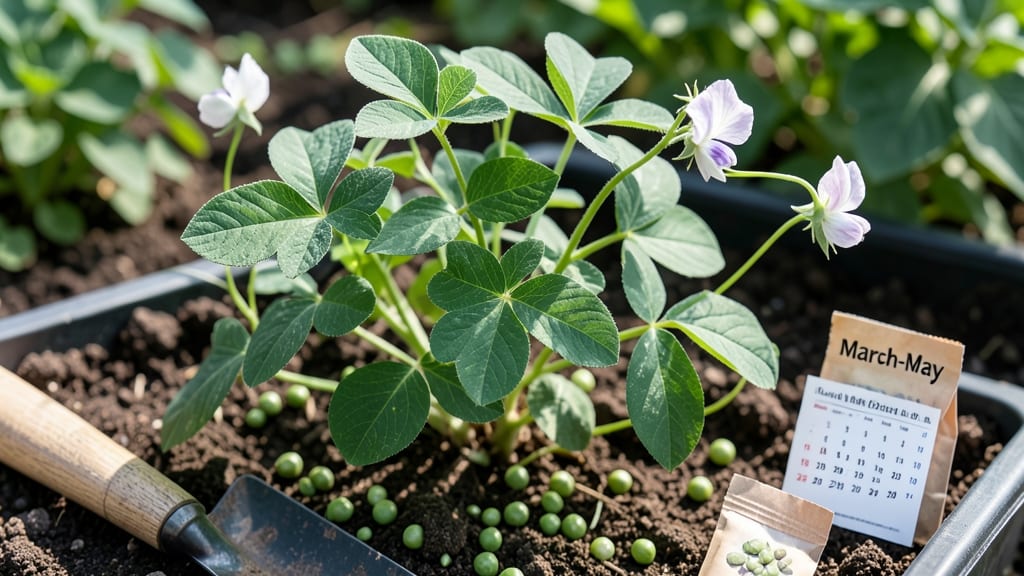
Timing your pea planting in the UK can make or break your harvest—get it wrong, and frost will turn your tender seedlings into sad, mushy memories. 🌱 The secret lies in knowing your region’s frost-free window, which varies dramatically from the milder south to the colder highlands.
I’ve grown peas across England, Scotland, and Wales, and the difference between a 5-minute sowing window and a missed opportunity is often just a few degrees of soil warmth.
Whether you’re in Zone 8 or battling late frosts in Zone 5, the right timing ensures your peas climb, not freeze.
In this guide, I’ll break down the exact months to plant—from early March in the south to May in colder areas—plus soil prep tips to give your seeds the best start. No more guessing whether your peas will survive the next frost!
Ready to turn your garden into a pea powerhouse? Let’s dive into the game-changer planting schedule that’ll have you harvesting sweet pods all summer.
UK pea planting calendar: exact frost-free dates by region
Peas are one of the first spring vegetables I plant in my garden, but timing is everything in the UK climate. A late frost can wipe out tender seedlings, while planting too early means slow germination in cold soil.
The key is understanding your region’s frost-free window and soil temperature thresholds.
Pea seeds need soil temperatures of at least 45°F (7°C) to germinate properly. In cooler regions like northern Scotland, this might not happen until late April or May, while southern England can start as early as February.
Let’s break down the exact planting windows by UK region to help you plan.
I’ve included both early varieties (like 'Meteor') and late varieties (like 'Douce Provence') in this guide, as they have different frost tolerances. Early varieties can handle light frosts, while late varieties need warmer conditions to thrive.
| Region | Early Varieties (Frost-Tolerant) | Late Varieties (Warmer Soil Needed) | Soil Temp Threshold | Frost-Free Window |
|---|---|---|---|---|
| Southern England | February-March | April-May | 45°F (7°C) | Mid-March to late October |
| Midlands | March-April | April-May | 48°F (9°C) | Late March to October |
| Northern England | April | May-June | 50°F (10°C) | Late April to September |
| Wales | March-April | April-May | 47°F (8°C) | Early April to late October |
| Scotland | Late April | May-June | 52°F (11°C) | Late May to September |
| Northern Ireland | Late March-April | May | 49°F (9.5°C) | Early April to September |
For southern England, where winters are milder, I always start with early varieties in February under cloches or fleece. This gives me a head start and protects tender seedlings from unexpected late frosts.
The frost-free window here is typically from mid-March, but I wait until soil temperatures reach at least 45°F (7°C) for reliable germination.
In Scotland and northern regions, where frosts linger longer, I focus on late varieties and wait until May. The soil needs to be warmer—around 50°F (10°C)—before planting. I’ve learned the hard way that rushing can lead to poor germination and stunted plants.
One trick I use is the hand test for soil temperature. Stick your hand in the soil—if you can keep it there comfortably for 5 seconds, it’s warm enough for peas. This works especially well for midland regions where temperatures vary more dramatically between day and night.
Don’t forget about autumn planting for late varieties! In milder regions like southern England and Wales, you can sow sugar snap peas or mangetout in late summer (August-September) for a harvest before the first frosts. These varieties tolerate cooler temperatures better than standard spring peas.
If you’re unsure about your local frost dates, check the UK Met Office or your local RHS gardening group. They often provide updated forecasts that can help fine-tune your planting schedule. For example, a particularly cold April might delay planting in Northern Ireland by a few weeks.
Finally, always plant peas in well-drained soil with plenty
How to extend your pea growing season in cold UK climates
Cold UK springs often bring late frosts that can devastate young pea seedlings, but with the right strategies, you can extend your growing season and enjoy earlier harvests. The key lies in protective measures and smart planting techniques that shield tender shoots while maximizing sunlight exposure.
I’ve successfully used these methods in my own Zone 7 UK garden to push pea harvests forward by 3-4 weeks—here’s how you can too.
Peas are surprisingly resilient once established, but their seedlings are frost-sensitive. Even a light frost can stunt growth or kill young plants outright. That’s why I focus on early sowing under protection and season extension tools to create a microclimate that mimics warmer conditions.
These techniques work particularly well for early varieties like 'Meteor', which can be harvested just 8 weeks after sowing when given the right start.
- 1 Start sowing under cloches from mid-February in milder regions (e.g., Cornwall) or late March in colder areas (e.g., Scotland). Use mini cloches or fleece tunnels to trap heat and protect seedlings from sub-zero temperatures.
- 2 Use fleece covers (e.g., Agribon 17g) for lightweight protection. Secure edges with bricks or soil to prevent wind damage. Remove during sunny days (above 10°C) to avoid overheating and fungal risks.
- 3 Plant near windbreaks like hedges or fences to reduce chilling winds. Combine with companion plants such as thyme or garlic, which deter pests and improve soil health.
- 4 Sow successive crops every 2-3 weeks from March to May. This ensures a continuous harvest and reduces the risk of losing your entire crop to a single frost event.
- 5 Choose dwarf varieties like 'Tom Thumb' for container growing. Move pots to sheltered spots or greenhouses during cold snaps, then return to full sun when temperatures rise.
One of my favorite tricks is using black plastic mulch under cloches to warm the soil faster. This method can raise soil temperatures by 5-10°C, helping peas germinate 2-3 days sooner.
Pair this with drip irrigation to maintain consistent moisture—peas hate soggy soil but also wilting. I water mine early in the morning to prevent fungal diseases like powdery mildew, which thrives in damp conditions.
For late-season protection, I’ve had great success with hoop houses covered in fleece. These create a mini greenhouse effect that extends the harvest window into early autumn.
Just ensure good ventilation on warm days to avoid heat stress. You can also try straw mulch around the base of plants to insulate roots during unexpected cold snaps.
Remember, peas are nitrogen-fixing plants, meaning they improve soil health as they grow. By rotating crops and using these season-extension techniques, you’ll not only protect your peas but also boost future harvests.
Start small with one or two methods, then build on what works best for your local microclimate—your future self (and taste buds) will thank you! 🌱