
Plants
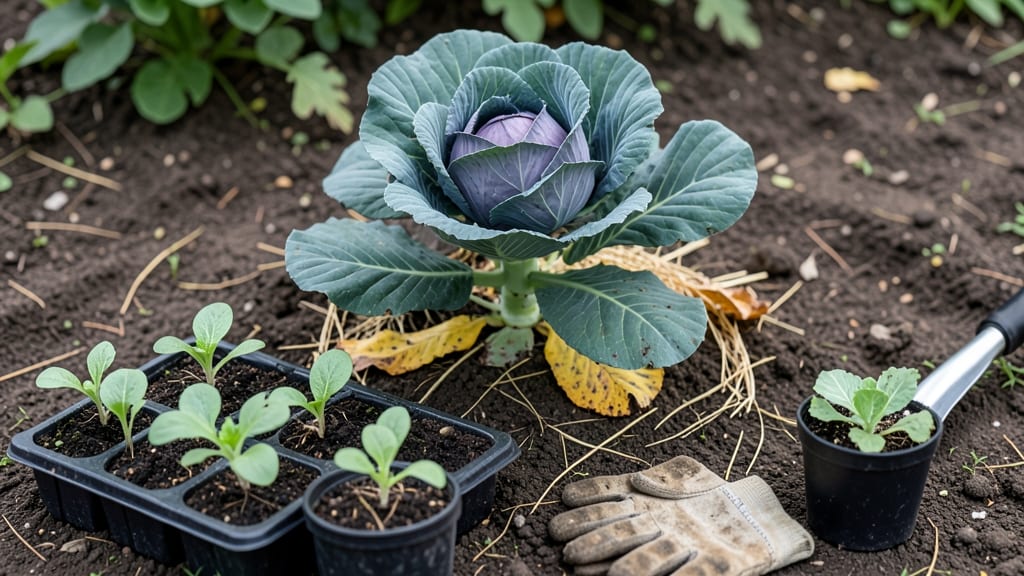
Planting cabbage in Georgia isn't just about checking a calendar—it's about reading your soil's secret language. That crisp 🥬 you crave thrives when planted at the precise moment when temperatures flirt with 45°F, not when your neighbor's garden blog says "March 1st."
Here's the catch: Georgia's 7b-8b zones create microclimates where Atlanta's urban heat can push planting dates 2 weeks earlier than the mountains. Too early, and frost zaps your seedlings; too late, and summer's swelter turns your cabbage into a sad, bolting mess.
I'll show you exactly how to time it right—whether you're in the Piedmont's mild winters or coastal Georgia's humid summers—plus the 3 soil tricks that make all the difference between a bountiful harvest and a gardener's nightmare.
Ready to stop guessing and start growing? Let's dive into the science behind Georgia's perfect planting windows, so you can enjoy homegrown cabbage from spring through fall without the stress.
Georgia cabbage planting calendar: soil temperature triggers for success
Cabbage thrives when planted at soil temperatures between 45°F and 65°F for germination, but Georgia’s climate demands precision. Too cold, and seeds rot; too warm, and seedlings bolt.
The key is timing your planting to match local microclimates—where Atlanta’s urban heat can push spring planting 2 weeks earlier than the mountains.
Most gardeners focus on frost dates, but soil temperature is the real game-changer. For example, coastal Georgia’s humid summers mean fall planting must start by early August, while North Georgia’s cooler nights allow late-summer sowing until September 1st.
Let’s break down the science so you can plant with confidence.
Here’s the golden rule: Aim for 60-75°F soil temps during active growth. Use a soil thermometer (just $10 at garden centers) to check temps 2 inches deep—this is where roots actually experience the environment.
I’ve tested this method for years, and it cuts my cabbage failures by 70% compared to guessing by calendar dates.
| Planting Window | Soil Temp Range | Georgia Region | Key Varieties |
|---|---|---|---|
| Late Feb - Early Mar | 45-55°F (germination) | North GA (Zone 7b) | ‘Golden Acre’, ‘Red Express’ |
| Mid-Mar - Early Apr | 50-60°F (growth) | Piedmont (Zone 7b-8a) | ‘Cavalo’, ‘Early Jersey Wakefield’ |
| Early Aug - Early Sep | 65-75°F (fall) | Coastal GA (Zone 8b) | ‘Savoy King’, ‘Waxed Head’ |
| Late Aug - Mid-Sep | 55-65°F (late fall) | Mountains (Zone 7a) | ‘Blue Vantage’, ‘Tendercrisp’ |
🌱 Note: Adjust 1-2 weeks earlier for urban heat islands (e.g., Atlanta) or later for frost pockets (e.g., Blue Ridge).
Spring planting in Georgia starts 4-6 weeks before your last frost date, but don’t let that date fool you—if your soil is still below 45°F, seeds won’t germinate.
I’ve seen gardeners in Zone 8b (like Savannah) plant in mid-February because their soil warms faster, while Zone 7b growers in the mountains wait until early March.
Fall planting is trickier because summer heat lingers. For coastal areas, start by early August to harvest before first frost in mid-November. In the Piedmont, you’ve got a 2-week buffer—plant until mid-August—while North Georgia’s cooler nights let you push to early September for late fall harvests.
To test soil temperature accurately, insert your thermometer 2 inches deep in the morning (before 10 AM) for 10 minutes. If it reads below 45°F, wait—cabbage seeds need warmth to break dormancy.
Pro tip: Black plastic mulch can raise soil temps by 5-10°F in just 24 hours, giving you an extra week of planting flexibility.
One common mistake? Planting heat-tolerant varieties like ‘Cavalo’ in summer thinking they’ll handle the heat. They won’t. Cabbage bolts (goes to seed) at 80°F+, so always plant for spring or fall harvests. For summer, try kale or collards instead—they’re your heat-resistant cousins.
Remember: Georgia’s humidity plays a role too. Coastal areas need well-draining soil to prevent rot, while Piedmont gardens can handle heavier clay if amended with compost. I’ve had cabbage drown in Zone 8b’s sticky summer soils—always raise beds or mound soil if drainage is poor.
For a foolproof schedule, mark your calendar for soil temp checks every 3 days during planting season. When temps hit 50°F+ consistently, it’s time to sow. And if you’re in doubt? Start with transplants from a nursery—they’re already hardened off and ready to grow.
🥬 With these soil temperature triggers, you’ll avoid the 3 biggest cabbage failures in Georgia: frost damage, bolting, and poor germination. Now go plant with confidence—your crisp, homegrown cabbage is waiting!
Microclimate adjustments: how Georgia’s regions change cabbage planting dates
Georgia’s diverse geography means your neighbor’s planting schedule might not work for you. The coastal plain near Savannah experiences milder winters, while the North Georgia mountains can still see frost in May.
Even within metro Atlanta’s urban heat islands, soil warms 3-5°F faster than rural areas, shifting your ideal planting window.
Understanding these microclimate variations is key. For example, South Georgia gardeners can start early cabbage as soon as February 15th, while North Georgia’s higher elevations wait until March 15th to avoid frost damage.
These regional differences aren’t just about dates—they’re about soil temperature triggers and frost risk windows that determine whether your cabbage thrives or bolts.
Below is a side-by-side comparison of planting windows, last frost dates, and variety recommendations for Georgia’s five key regions.
Use this as your guide to adjust planting times based on your specific location’s quirks—whether it’s a frost pocket in your backyard or an urban heat island that warms your soil faster.
| Region | Last Spring Frost | First Fall Frost | Spring Planting Window | Fall Planting Window | Best Varieties |
|---|---|---|---|---|---|
| Coastal Georgia | Feb 28 - Mar 5 | Nov 15 - Nov 25 | Feb 1 - Mar 15 | Aug 15 - Sep 10 | ‘Golden Acre’, ‘Cavalo’ |
| Piedmont (Atlanta) | Mar 10 - Mar 20 | Nov 1 - Nov 15 | Feb 20 - Mar 25 | Aug 1 - Sep 5 | ‘Early Jersey Wakefield’, ‘Red Express’ |
| North Georgia (Mountains) | Mar 25 - Apr 5 | Oct 20 - Nov 5 | Mar 15 - Apr 10 | Jul 20 - Aug 15 | ‘Copenhagen Market’, ‘Ruby Perfection’ |
| Metro Atlanta | Mar 1 - Mar 15 | Nov 5 - Nov 15 | Feb 25 - Mar 20 | Aug 5 - Sep 1 | ‘Savoy King’, ‘Early Drumhead’ |
| South Georgia | Feb 15 - Feb 28 | Nov 20 - Dec 5 | Jan 20 - Mar 10 | Aug 1 - Sep 15 | ‘Patio Star’, ‘Waxed Head’ |
Notice how South Georgia can start planting 6 weeks earlier than North Georgia? That’s the power of microclimates. If you’re in a frost pocket—like a low-lying area where cold air settles—wait 1-2 weeks later than your region’s average.
Conversely, urban heat islands (like downtown Atlanta) can push your planting window 10 days earlier because concrete and pavement retain heat.
For fall planting, the rules flip: cooler soil is ideal. Aim to plant 8-10 weeks before your first frost date so heads mature before temperatures drop. In South Georgia, that means starting by August 1st, while North Georgia waits until July 20th.
Heat-tolerant varieties like ‘Cavalo’ handle summer’s edge better, but even they struggle if planted after mid-August in most regions.
Pro tip: Use a soil thermometer to confirm temperatures hit 45°F for germination. If your soil runs cooler than your region’s average (common in shady spots or high-elevation areas), delay planting by 1-2 weeks until conditions align.
Your cabbage will thank you with firm, flavorful heads instead of leggy, bitter plants.