
Plants
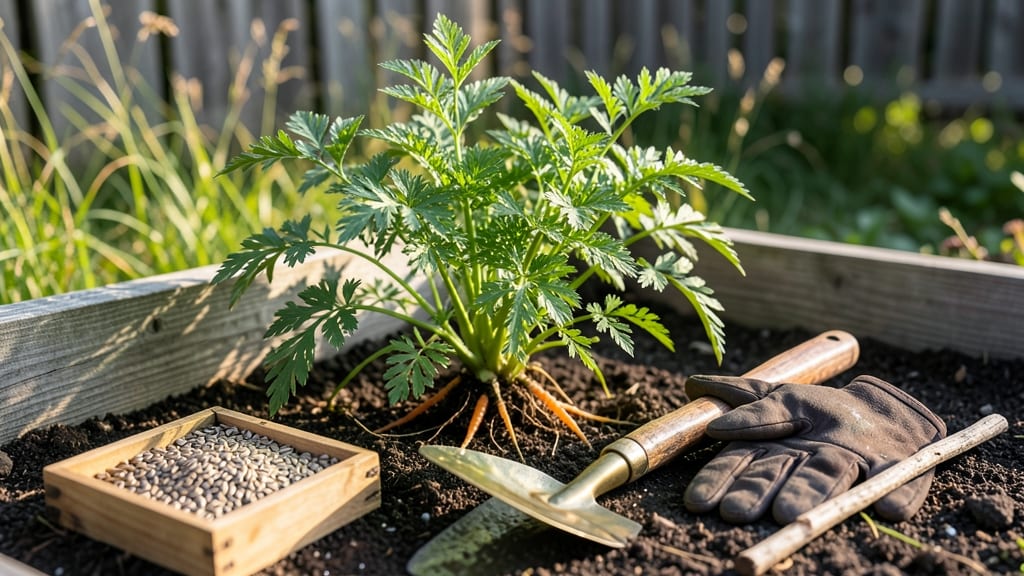
If you’re dreaming of crisp, sweet 🥕 carrots from your Louisiana garden, timing is everything—plant too early, and the heat will turn them woody; too late, and you’ll miss the prime harvest windows.
The key to success lies in Louisiana’s unique 8a-9b climate, where two distinct planting seasons separate the perfect roots from the disappointing.
Most gardeners in the region swear by late February to early March for spring planting, giving carrots time to mature before summer’s sweltering heat sets in. But don’t stop there—fall is your second chance, with August to early September plantings yielding harvests just in time for holiday tables.
Skipping these windows means risking bitter, stunted roots or worse, a total crop failure.
What sets Louisiana apart? The humidity and sandy soil demand extra care—think raised beds or containers to improve drainage, and shade cloth to protect seedlings from scorching sun. With the right prep, you’ll avoid the #1 mistake most local growers make: planting too close to peak summer heat.
Let’s break down the exact deadlines and tricks to turn your garden into a carrot goldmine.
Ready to dig in? I’ll walk you through the step-by-step schedule that’s worked for fellow Louisiana gardeners, plus the best varieties to beat the heat and pests. Your first batch of homegrown 🥕 carrots could be just 70 days away—if you plant at the right time.
Louisiana heat zone planting deadlines for carrots (zone 8a-9b)
Louisiana’s long, hot growing season and humid climate demand precise timing for carrot planting. Miss the window, and you’ll end up with woody, bitter roots instead of sweet, crisp harvests. The key is planting when soil temperatures stay below 85°F—ideal for germination and growth.
Carrots thrive in Louisiana’s spring and fall, but summer’s intense heat can stress seedlings. With succession planting, you can enjoy fresh carrots from March through November. Let’s break down the exact deadlines to maximize your yield.
⚠️ CRITICAL NOTE: Louisiana’s Zone 8a-9b means no frost until late March, but heat tolerance is the real challenge. Carrots need cool soil to germinate—if it’s too hot, they’ll bolt or rot.
| Planting Window | Soil Temp (°F) | Best Varieties | Harvest Time | Notes |
|---|---|---|---|---|
| Late February - Early March | 60-75°F | Danvers, Chantenay | May - June | Early spring escape heat; mulch heavily. |
| August - Early September | 70-80°F (cooler evenings) | Nantes, Paris Market | October - November | Fall planting avoids summer heat; use shade cloth. |
| January (shade cloth) | 65-70°F | Bolero, Short ‘n Sweet | March - April | Winter germination needs protection; slow growth. |
| October (late) | 60-70°F | Rainbow, Cosmic Purple | December - January | Extend season with row covers; harvest before frost. |
For spring planting, aim for late February to early March when soil temperatures hover around 60-75°F. This gives carrots 80-90 days to mature before summer’s relentless heat sets in. Use heat-tolerant varieties like Danvers or Chantenay, which handle Louisiana’s sandy soils better than others.
If you miss spring, don’t despair—fall planting is your next best bet. August to early September offers cooler soil temps (70-80°F) and longer daylight for growth. Choose shorter-season varieties like Nantes or Paris Market to avoid woody roots from stress.
Louisiana gardeners can also try winter planting with shade cloth or row covers. January sowings work if soil stays 65-70°F, but growth will be slower. Opt for Bolero or Short ‘n Sweet—both handle humidity and light frosts better than standard types.
Pro tip: Succession plant every 2-3 weeks in spring and fall to ensure a continuous harvest. For example, sow one batch in late February, another in mid-March, and a final batch in early April. This stretches your harvest from May through June.
In summer, avoid planting carrots—temperatures above 85°F cause seeds to rot or seedlings to bolt. Instead, focus on shade-loving greens or container gardening with partial shade to keep roots cool.
For container growers, use deep pots (12+ inches) filled with light, sandy soil mixed with compost. Containers warm faster, so plant earlier in spring (January) and later in fall
Remember: Soil prep is everything in Louisiana. Loosen soil to 12 inches deep, remove rocks, and mix in organic matter to prevent forked roots. Test your soil’s pH (6.0-7.0)—carrots hate acidic or compacted soil. With these heat-zone deadlines, you’ll enjoy sweet, crisp carrots straight from your Louisiana garden—no bitter surprises! 🥕
How to adjust carrot planting for Louisiana’s soil and heat challenges
Louisiana’s sandy, fast-draining soil and scorching summers demand special strategies to grow crisp, sweet carrots. Without adjustments, your seeds may struggle to germinate or produce woody, forked roots instead of the tender harvest you crave.
The key? Soil enrichment, shade protection, and heat-tolerant varieties tailored to our unique climate.
First, test your soil’s pH—carrots thrive in 6.0-7.0 range. Louisiana’s native soil often tests too acidic or sandy, so amend with compost or aged manure before planting. For extra insurance, consider raised beds filled with a mix of garden soil and coconut coir to improve moisture retention and drainage.
Here’s the critical adjustment: Never plant during peak heat (June-August). Instead, use shade cloth (30-50%) over seedlings to protect them from intense sun, which can scorch tender leaves and stunt growth. Even partial shade during the hottest afternoon hours makes a difference.
⚠️ callout warningCarrot seeds won’t germinate in soil above 85°F. Louisiana’s summer heat (often 90°F+) means seeds planted after May 15 risk sitting dormant or rotting.
Even if they sprout, roots will bolt (go to seed) before maturing. Solution: Use shade cloth or plant in deep containers with mulch to keep soil cool.
Mulching is your best friend in Louisiana’s climate. Apply 2-3 inches of straw or wood chips after planting to lock in moisture, regulate soil temperature, and suppress weeds.
This is especially crucial in sandy soil, which dries out quickly. Water deeply once a week (1 inch total) rather than daily shallow watering to encourage deep root growth.
Choose short-season varieties like ‘Early Nantes’ or ‘Paris Market’ for summer planting, as they mature in 50-60 days—just long enough to escape the worst heat. For fall plantings, opt for ‘Danvers’ or ‘Chantenay’, which handle cooler temps better.
Always soak seeds overnight before planting to improve germination in hot, dry conditions.
Pests like carrot rust flies and aphids thrive in Louisiana’s humidity. Protect seedlings with row covers until they’re established, and interplant with onions or leeks to deter pests naturally. Finally, rotate planting locations yearly to prevent soil-borne diseases from building up.
With these adjustments, you’ll bypass Louisiana’s biggest carrot-growing pitfalls and enjoy homegrown harvests from spring through fall. Start with shade, soil prep, and the right varieties, and your garden will reward you with sweet, straight carrots all season long. 🥕