
Plants
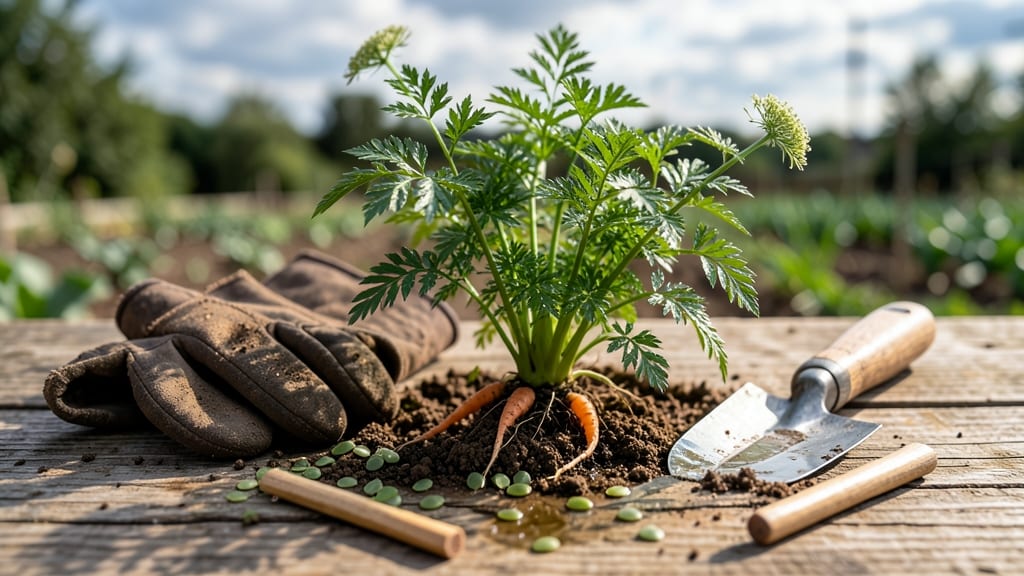
Planting carrot seeds in Michigan isn’t just about throwing them in the dirt—it’s about timing them perfectly to avoid frost, heat stress, and bitter roots.
The best window for crisp, sweet 🥕 starts as early as mid-March but hinges on soil temperatures and regional frost dates that vary wildly across the state.
If you plant too soon, seedlings will rot in cold soil; too late, and summer’s heat sends them bolting before you get a harvest.
I’ve grown carrots in Michigan’s 5b-6b zones for years, and the secret to success lies in two key strategies: early spring plantings (when soil hits 50°F) and late-summer succession plantings (by mid-July) to beat the first frost.
But here’s the catch: Michigan’s climate isn’t one-size-fits-all. Upper Peninsula gardeners face shorter seasons, while southern Michigan can stretch harvests into October. I’ll break down the exact weeks to plant—plus how to adjust for rocky soil, poor drainage, and other local challenges—that actually work for real gardeners, not just theory.
Ready to grow carrots that are crisp, plentiful, and ready at the perfect time? Let’s dive into the planting schedule that’ll make your harvest the envy of the neighborhood.
Michigan’s frost-free dates & soil temperature requirements for carrot seeds
Carrots thrive in Michigan’s cool-season climate, but timing your planting is critical to avoid frost damage or bolting from summer heat. The state’s USDA zones 5b-6b create distinct planting windows between the Upper Peninsula and Lower Peninsula, with soil temperatures playing a key role in germination success.
Understanding these factors ensures your carrots grow sweet, crisp, and ready for harvest.
Carrot seeds need soil temperatures between 50–85°F to germinate properly. In Michigan, this means waiting until the ground warms enough after the last frost—typically late April to early May in most regions.
However, Michigan’s microclimates vary dramatically, so I’ll break down the specifics for both the Lower Peninsula and Upper Peninsula to help you plan with precision.
🌱
Michigan Carrot Planting Timeline by Region
| Region | Last Frost Date (Avg.) | Ideal Planting Window | Soil Temp for Germination | Fall Planting Window |
|---|---|---|---|---|
| Lower Peninsula (South) | April 15–May 1 | April 1–May 15 (spring) / July 15–Aug 15 (fall) | 55–65°F (min 50°F) | August 1–September 15 |
| Lower Peninsula (North) | May 1–May 15 | April 15–May 30 (spring) / July 1–Aug 10 (fall) | 50–60°F (min 48°F) | July 20–August 30 |
| Upper Peninsula | May 10–May 25 | May 1–June 1 (spring) / July 10–Aug 5 (fall) | 50–65°F (min 45°F) | July 25–August 20 |
Note: Use a soil thermometer to verify temperatures before planting. Carrot seeds won’t germinate below 50°F.
For Lower Peninsula gardeners, the southwestern region (like Kalamazoo or Battle Creek) can start planting as early as mid-April, while northern areas (e.g., Traverse City) should wait until late April.
The Upper Peninsula has a shorter growing season, so focus on early-maturing varieties like ‘Early Nantes’ or ‘Paris Market’ to avoid frost damage by first frost, which typically hits around October 15.
Carrots are cool-season crops, meaning they prefer 50–65°F soil temperatures for optimal growth. If you plant too early, cold soil can delay germination for weeks, leaving seedlings vulnerable to frost.
Conversely, planting in summer heat (above 85°F) triggers bolting, causing carrots to flower prematurely and become bitter. To avoid this, I recommend planting early-season varieties like ‘Danvers’ in spring and late-season varieties like ‘Chantenay’ in early summer.
One of my favorite tricks for extending Michigan’s growing season is succession planting. Start with early varieties in April, then follow up with mid-season varieties every 2–3 weeks until mid-July. This ensures a steady supply of fresh carrots from June through October.
For fall plantings, aim to sow seeds 8–10 weeks before the first frost—typically late July to early August in most regions.
🌿
Michigan’s rocky soil (especially in the Upper Peninsula) can also impact carrot growth. To improve germination and root development, I always amend the soil with compost or sand to create loose, well-draining conditions.
Test your soil’s pH (6.0–6.8) and adjust with lime if needed—carrots hate acidic soil, which can lead to forked roots or poor flavor.
If you’re unsure about your local frost dates, check the Michigan State University Extension or use a frost calendar for your specific county. For example, Detroit’s last frost
Step-by-step planting schedule for Michigan’s two best carrot harvests
Michigan’s two-carrot harvest strategy is your ticket to homegrown sweetness year-round. The spring planting (April–May) delivers crisp roots by summer, while the fall planting (July–August) ensures a second harvest before frost. Each timing requires precise prep to avoid common pitfalls like forked roots or bolting.
Start with loose, rocky-free soil (critical in Michigan’s Upper Peninsula!) and a pH of 6.0–6.8. Work in compost and avoid fresh manure, which attracts pests. For successive plantings, space seeds every 2–3 weeks to stretch your harvest window from June through October.
- 4–6 weeks before last frost (Mid-March): Spring prep—amend soil, sow early varieties like 'Early Nantes' in protected beds or under cloches.
- 2 weeks before last frost (Early April): Main planting—direct-seed 'Danvers' or 'Chantenay' ¼-inch deep, 2 inches apart. Thin to 3 inches when seedlings hit 2 inches tall.
- July 1–15: Fall planting—sow heat-tolerant varieties like 'Paris Market' or 'Rainbow' for a 90-day harvest before frost. Use shade cloth if temps exceed 85°F.
- August 15: Succession sow—plant 'Short 'n Sweet' for a 60-day harvest (ready by October 15). Mulch with straw to retain moisture and deter pests.
- September 15: Harvest prep—stop watering 1 week before first frost to sweeten roots. Pull 'Danvers' first (longer roots), then 'Paris Market' (smaller, faster).
For Michigan’s Upper Peninsula, adjust timelines 2 weeks later—frost lingers longer. In southern Michigan, you can push fall plantings into early August for a late-October harvest.
Always check your local frost dates (USDA zones 5b–6b) and monitor soil temps with a probe—50°F+ is ideal for germination.
Pro tip: Interplant carrots with radishes (harvest in 30 days) to mark rows and deter pests. Avoid planting near dill or parsley, which can stunt growth. After thinning seedlings, use the greens in salads—they’re packed with flavor!
Mulch heavily with straw or grass clippings to keep soil consistently moist and weed-free. Water deeply in the morning to prevent leaf diseases like Alternaria. If your carrots bolt (send up flowers), it’s a sign of heat stress—provide afternoon shade with row covers.
By mastering these two harvest windows, you’ll enjoy crisp, homegrown carrots from June through October—no store-bought competition! Start small with one 4x8-foot bed, then expand as you gain confidence. Happy planting! 🥕