
Plants
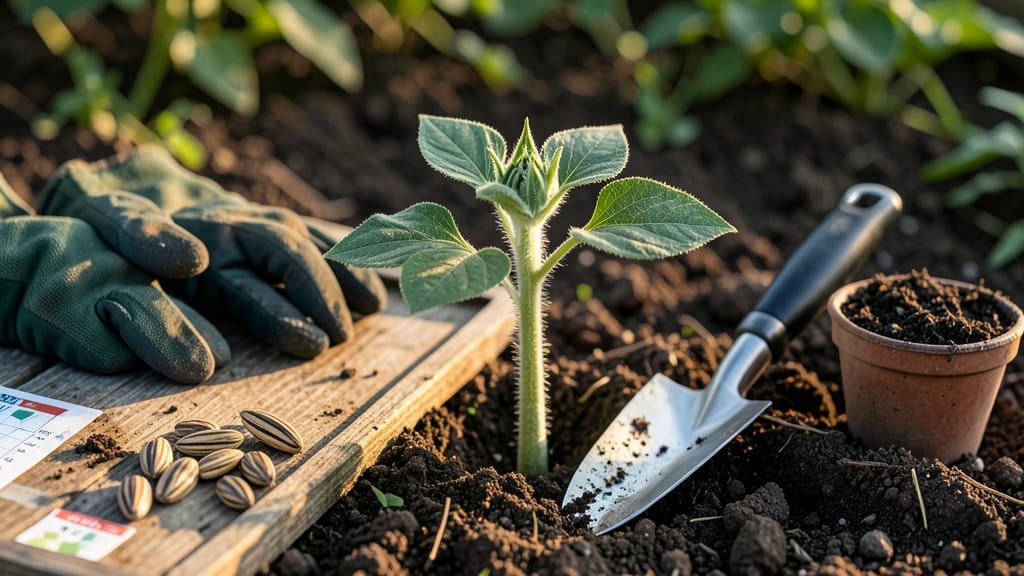
Timing your sunflower seeds in Michigan can mean the difference between towering 🌻 blooms and stunted plants—because those golden giants need just the right conditions to reach their full potential.
The key lies in understanding your region’s last frost dates and how sunflowers respond to warming soil, especially in Michigan’s varied climate from the Upper Peninsula to the southern border.
Most Michigan gardeners should plant sunflower seeds after the last frost, when soil temperatures consistently reach 55°F—typically between late April and early May in the Lower Peninsula, and a few weeks later in cooler northern zones.
But here’s the catch: giant varieties like 'Mammoth' need 90 days of warmth to mature, while shorter types can handle shorter seasons.
I’ve learned that rushing planting too early risks frost damage, while waiting too long may leave you with smaller blooms. The solution? Adjust your timing based on your USDA zone and the specific sunflower variety you’re growing.
Let’s break down exactly when to plant for the tallest, healthiest sunflowers in your Michigan garden.
Whether you’re growing sunflowers for their striking height or bird-friendly seeds, getting the planting window right is the first step to success. With the right preparation, you’ll be enjoying sunflowers that reach 10 feet or more—right on schedule for summer’s peak blooming season.
Michigan last frost dates by region: best sunflower planting windows for maximum height
Michigan's diverse climate means your sunflower planting window depends heavily on your USDA zone and last frost dates. In the Upper Peninsula (Zone 4), frost can linger until mid-to-late May, while the Southern Lower Peninsula (Zone 6) typically sees its final frost by mid-April.
These differences directly impact when you should sow your seeds for tallest blooms and maximum height potential.
Sunflowers thrive in warm soil temperatures (at least 55°F) and need 60-90 days to reach maturity, depending on the variety. Planting too early in cooler regions risks stunted growth or seedling death from late frosts, while waiting too long may cut your blooming season short.
The key is aligning your planting date with your region’s heat zone for optimal stem development.
Here’s how to determine your ideal sunflower planting window based on Michigan’s three main regions, including dwarf, medium, and giant varieties:
| Region | USDA Zone | Last Frost Date Range | Best Planting Window | Soil Temp for Planting | Heat Zone Notes |
|---|---|---|---|---|---|
| Upper Peninsula | Zone 4 | May 10–20 | Late May–Early June | ≥55°F (13°C) | Short season; opt for early-maturing dwarf varieties (e.g., 'Teddy Bear'). |
| Northern Lower Peninsula | Zone 5 | April 25–May 10 | Early to Mid-May | ≥55°F (13°C) | Moderate season; medium-height varieties (e.g., 'Autumn Beauty') thrive here. |
| Southern Lower Peninsula | Zone 6 | April 10–20 | Mid-April–Early May | ≥50°F (10°C) | Longest season; ideal for giant varieties (e.g., 'Mammoth'). |
| All Regions | — | — | Late July (for fall blooms) | ≥60°F (16°C) | Extend season with late-summer sowing for autumn color. |
For maximum height, focus on soil warmth and sun exposure. In cooler zones like the Upper Peninsula, start seeds indoors 4-6 weeks before your last frost date, then transplant outdoors after May 20.
In warmer zones like Zone 6, you can direct-sow as early as mid-April for a head start on tall, sturdy stems.
Heat zones also play a critical role. Sunflowers need full sun (6+ hours daily) and consistent warmth to reach their full height potential. In Zone 4, aim for 60-day varieties like 'Little Becka' to avoid frost damage.
In Zone 6, you can grow 120-day giants like 'Russian Giant' with proper care, but monitor soil moisture during heatwaves to prevent stem weakness.
Pro tip: Use black plastic mulch to warm soil faster in cooler regions. This can shave 1-2 weeks off your planting window and give your sunflowers a growth boost. Pair this with staking in windy areas (common in Michigan) to support taller varieties like '
Sunflower varieties for Michigan gardens: growth timelines and planting adjustments by type
Michigan’s cool summers and variable frost dates make choosing the right sunflower variety crucial for maximizing height and bloom size. Some varieties thrive with early planting, while others need warmer soil to reach their full potential.
Understanding each type’s days-to-maturity and cold tolerance lets you adjust planting times for taller stems and larger blooms.
For example, 'Mammoth' sunflowers—the giants of the garden—require 90-120 days to mature, while 'Autumn Beauty' varieties bloom in just 50-60 days.
In Michigan’s USDA zones 4-6, this means timing your planting window carefully to avoid late frosts that can stunt growth or early heat that accelerates flowering before stems fully develop.
To extend Michigan’s short growing season, consider successive planting for varieties like 'Autumn Beauty'. Start seeds indoors in late April and transplant after the last frost, or sow directly in early May for a late-summer bloom.
For 'Mammoth' varieties, wait until mid-May when soil temperatures consistently reach 60°F to ensure robust stem growth.
For cooler regions like the Upper Peninsula, add black plastic mulch to warm soil faster and protect seedlings. This simple trick can shave 1-2 weeks off the growing timeline, giving taller varieties like 'Mammoth' enough time to reach their full height before Michigan’s first frost in early October.
Always monitor your local frost forecast and adjust planting dates accordingly. In Southern Michigan, you might get away with an earlier start, while Northern gardens should err on the side of caution.
With the right variety and timing, your sunflowers will reward you with stunning height and vibrant blooms all season long.
Remember, sunflowers are direct-sown and don’t transplant well, so plan your garden layout carefully. Group taller varieties together for easier staking and support, especially in Michigan’s windy conditions.