
Plants
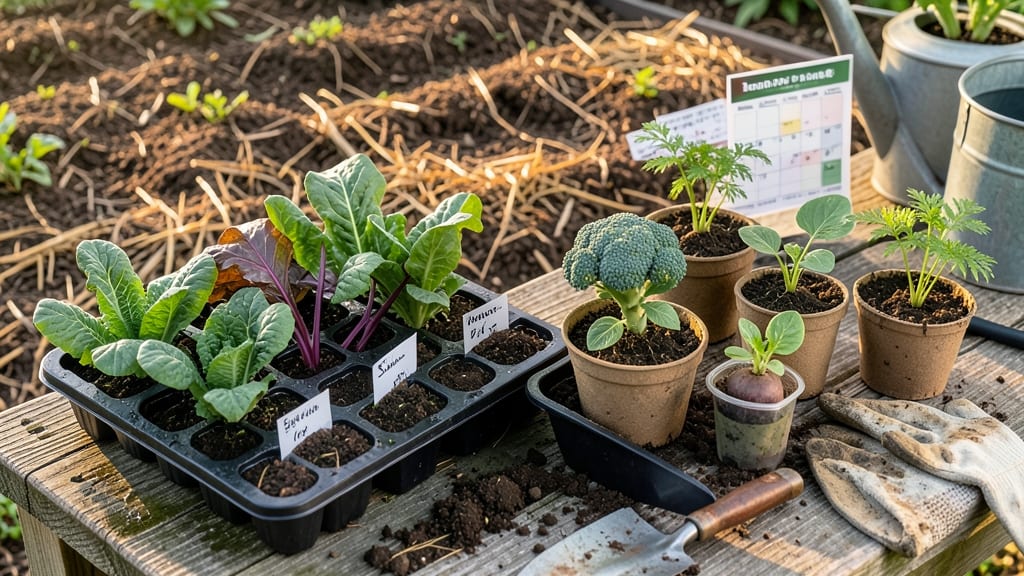
Planting fall crops in Zone 8 isn't just about dates—it's about catching that 6-8 week window before the first frost sneaks in and ruins your harvest. Miss the mark, and you'll end up with bitter greens or stunted roots instead of the crisp, flavorful produce you're dreaming of.
I've learned the hard way that timing is everything when it comes to 🌱 fall crops in Zone 8. The difference between a thriving garden and a frost-killed disappointment often comes down to knowing exactly when to put those seeds in the ground.
Whether you're growing leafy greens or hearty brassicas, getting this right means the difference between a bountiful harvest and wasted effort.
This isn't just about throwing seeds in the dirt and hoping for the best. Smart gardeners in Zone 8 plan carefully, considering everything from soil temperature to microclimates that can push your planting window by weeks.
I'll show you exactly how to read your local conditions and adjust your timing for maximum success.
By the end, you'll know not just when to plant, but how to stretch that window, choose the right varieties, and give your fall crops the best chance to thrive—even when the calendar says it's time to put the garden to bed.
Let's get those seeds in the ground at the perfect moment.
Zone 8 fall planting deadlines by crop heat tolerance
In Zone 8, the fall planting window is short but sweet—typically spanning from mid-summer to early fall. The key to success? Understanding your crops' heat tolerance thresholds and aligning them with your region's first-frost dates.
Most of Zone 8 experiences its first frost between mid-November and early December, but microclimates can shift this by weeks. For example, coastal areas may stay warmer longer, while inland zones face earlier cold snaps.
Cool-season crops like broccoli, kale, and lettuce thrive in temperatures below 75°F and need to be planted 6-8 weeks before frost.
Warm-season crops such as beans, cucumbers, and squash have stricter deadlines—they must be in the ground by early August to mature before temperatures drop below 50°F at night. Missing these windows means risking stunted growth or frost damage.
🌱
| Crop Type | Heat Tolerance Threshold | Last Planting Deadline (Zone 8) | Days to Maturity | Notes |
|---|---|---|---|---|
| Cool-Season Crops | Below 75°F | Late August to early September | 30-90 days | Plant 6-8 weeks before frost |
| Broccoli | 60-75°F | Early September | 50-70 days | Avoid bolting with cool nights |
| Kale | 50-70°F | Mid-August to October | 45-60 days | Sweeter after frost |
| Lettuce | 55-65°F | Late August to September | 30-50 days | Use shade cloth for heat |
| Warm-Season Crops | Above 50°F | Early to mid-August | 45-100 days | Plant before soil cools |
| Green Beans | 70-85°F | Early August | 50-60 days | Harvest before frost |
| Cucumbers | 75-85°F | Early August | 50-70 days | Use trellis for space |
Squash
How to adjust planting dates for Zone 8 microclimatesZone 8’s fall planting window isn’t one-size-fits-all—your microclimate can shift planting dates by 2–4 weeks. Urban heat islands, elevated beds, or shaded spots create pockets where warm-season crops like beans or squash thrive later than expected. Meanwhile, high-risk areas near valleys or bodies of water may need earlier starts to avoid early frost. To maximize your harvest, focus on three key strategies: row covers for heat retention, fast-maturing varieties (like bush beans or leaf lettuce), and elevated beds that warm up faster. These tactics let you push planting dates 2–3 weeks later than standard charts suggest.
Adjusting Planting Dates in Zone 8
✅ DO:
❌ DON'T:
Pro Tip: In high-risk Zone 8a (e.g., Las Vegas valleys), start cool-season crops by August 1. In low-risk Zone 8b (e.g., San Diego coast), wait until September 1. High-risk areas within Zone 8—like valleys or low-lying gardens—often experience frost 1–2 weeks earlier than coastal or elevated spots. For example, Sacramento’s first frost typically hits by November 15, while San Francisco’s coastal pockets may delay frost until December 1. Use this 2-week buffer to adjust planting dates accordingly. For warm-season crops, elevated beds or black plastic mulch can add 5–7°F of warmth, letting you plant beans or peppers up to 3 weeks later than standard charts. Pair this with fast-maturing varieties (e.g., ‘Early Girl’ tomatoes, ‘Bush Blue Lake’ beans) to ensure harvests before first frost. Don’t forget row covers—they can extend the growing season by 2–4 weeks for cool-season crops like kale or spinach. In Zone 8b, this might mean planting by September 20 instead of August 25, giving you an extra month of harvests. Just remove covers during the day to prevent overheating. Test your microclimate’s frost risk by monitoring local weather stations or using frost-free date calculators. Adjust your planting schedule by 1–2 weeks based on your garden’s specific conditions—whether it’s a sun-baked patio or a shaded backyard. With these tweaks, you’ll turn Zone 8’s fall window into a harvest goldmine. |