
Plants
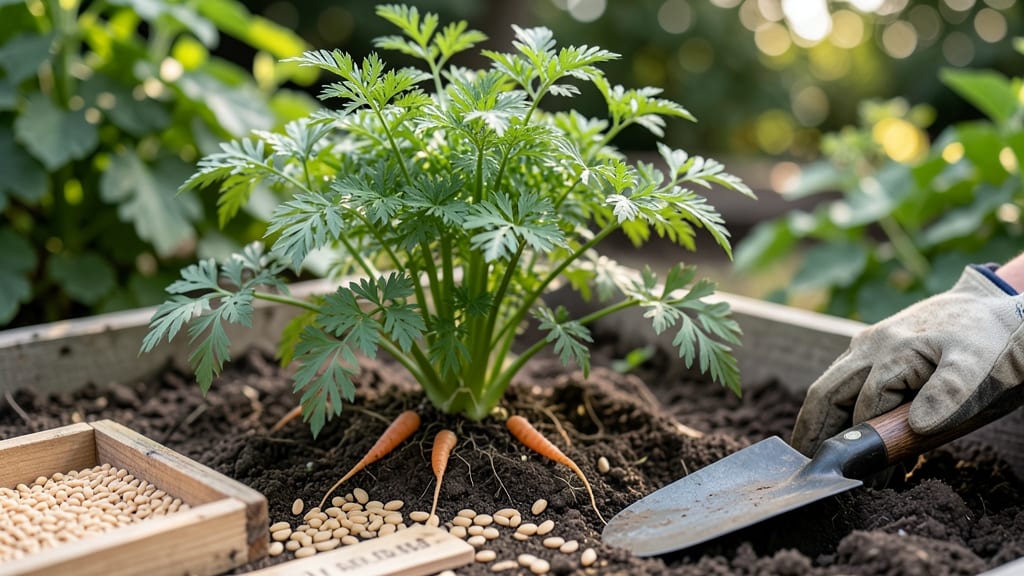
Planting carrots in Ohio at the wrong time can mean bitter, woody roots—or worse, bolting before you even get a harvest.
The key to success isn’t just picking a month; it’s understanding how your 🥕 varieties respond to Ohio’s 6a climate and those sneaky late frosts that strike after April 15.
Most gardeners in Ohio rush to plant as soon as the ground thaws, but that’s a recipe for disappointment. Spring carrots need soil temperatures above 50°F—and if you’re growing long-day varieties like Imperator, waiting until late March or early April gives them the stable conditions they crave.
Meanwhile, short-day types like Danvers can handle cooler soil, making them your best bet for an early start.
Here’s the game-changer: Ohio’s unpredictable weather means your planting window isn’t just March-April. With a little strategy—like using row covers or adjusting for microclimates—you can also plant a fall crop in August-September for a late-October harvest.
I’ll break down the exact timing for each variety so you avoid the 3 most common mistakes that turn Ohio gardens into carrot graveyards.
Ready to grow sweet, straight carrots without the guesswork? Let’s dive into the precise schedule that’s worked for Ohio gardeners for years—plus pro tips to extend your season and outsmart bolting.
Ohio carrot planting calendar: exact months by variety for maximum yield
Ohio gardeners know timing is everything—especially when growing carrots. The wrong planting window means bolting (those bitter, flower-stalked nightmares) or stunted roots. But with Ohio’s USDA zones 5-7, you can grow crisp, sweet carrots three times a year if you follow the right schedule.
The key? Matching your variety to Ohio’s climate and planting at soil temps above 50°F.
Short-day varieties like Danvers and Chantenay thrive in Ohio’s cooler springs and falls, while long-day Imperator types need summer’s warmth. Intermediate Nantes varieties bridge the gap. Below is your exact planting calendar, broken down by season and variety, plus frost-free deadlines to avoid wasted effort.
| Variety Type | Spring Planting | Summer Planting | Fall Planting | Frost-Free Deadline |
|---|---|---|---|---|
| Short-Day (Danvers, Chantenay) | March 15–April 15 | June 1–July 15 (with row covers) | August 1–September 15 | October 15 (first frost) |
| Intermediate (Nantes) | April 1–May 1 | July 1–August 1 | September 1–15 | October 15 (first frost) |
| Long-Day (Imperator) | April 15–May 15 | June 15–July 31 | Not recommended (needs warmth) | October 15 (first frost) |
🌱 Pro Tip: Use row covers to extend summer planting by 2–3 weeks.
Spring planting starts as soon as soil reaches 50°F—usually mid-March in southern Ohio (Zone 6-7) and early April in northern areas (Zone 5). For Danvers and Chantenay, sow seeds ¼-inch deep in loose, rock-free soil.
These short-day varieties mature faster in cooler temps, making them ideal for Ohio’s unpredictable springs. If you miss the spring window, don’t panic—summer and fall plantings can still yield high-quality carrots.
Summer planting is trickier due to Ohio’s heat and humidity. Imperator varieties (like ‘Long Paris’) need long daylight hours and thrive in June–July plantings. However, they bolt quickly if soil dries out.
To prevent this, mulch heavily and water deeply every 2–3 days. For Nantes varieties, aim for July plantings—they’re more heat-tolerant than short-day types. Always use shade cloth if temps exceed 85°F.
Fall planting is my favorite—cooler temps mean fewer pests and sweeter roots. Start short-day varieties in early August for a harvest before the first frost (typically mid-October). For a second fall crop, try Nantes in late August.
The goal is to harvest before soil temps drop below 40°F, which stunts growth. Use black plastic mulch to warm soil and extend the season by 2–3 weeks.
Ohio’s microclimates matter too. Gardens in Zone 5 (northwest Ohio) should plant 2 weeks later than Zone 7 (southern Ohio). Check your local frost dates—the Ohio State University Extension provides free frost maps to refine your schedule.
If you’re unsure, plant a test row in early March and cover it with frost blankets for extra protection.
Bolting is the #1 enemy of Ohio carrot growers. To avoid it, never let soil dry out completely, and avoid planting when days exceed 14 hours of light (late June–July). If you see flower stalks forming, harvest immediately—the roots will be small but edible.
For maximum yield, succession plant every 2 weeks from March through August. This ensures a steady harvest instead of one big rush.
One last tip: Ohio’s clay-heavy soil can cause forked or stunted carrots. Amend beds with compost or sand before planting. Raised beds work wonders for straight, sweet roots too. With this schedule, you’ll enjoy homegrown carrots from May through November—no grocery store in sight!
How to adjust planting dates for Ohio’s unpredictable weather (without risking bolting)
Ohio’s unpredictable spring can make or break your carrot harvest. One week of 60°F soil can trigger germination, while a sudden 28°F frost will wipe out seedlings. The key? Adjusting your planting dates based on real-time conditions—not just the calendar.
I’ve learned to watch for soil temperature (not air temp) and Ohio’s microclimates (like urban heat islands or sheltered valleys) to avoid bolting and ensure success.
Start by testing your soil temperature with a soil thermometer—carrot seeds need 50°F+ soil to sprout reliably. In my Zone 6a garden, I’ve planted as early as late February in protected beds, but only after confirming the soil hit 50°F for 3+ days.
Without this check, your seeds may rot in cold soil or bolt from sudden warmth. Use a clear plastic mulch to warm soil faster if needed.
Ohio’s last frost date (around April 15) is just a guideline—your actual frost risk depends on elevation and local weather patterns. For example, southern Ohio (like Athens) can plant 2 weeks earlier than northern Ohio (like Cleveland).
Check the NOAA frost forecast and add 2-3 weeks of buffer to your planting timeline to account for surprises.
⚠️ callout warning ⚠️
🚨 Ohio’s #1 Carrot-Killer: Late Frost + Warm Soil
Problem: Planting too early when soil is 50°F+ but air temps drop below 32°F will fry tender seedlings. Even if your soil is warm, a 28°F night (common in Ohio’s valleys) can destroy your crop.
Fix: Use row covers (like frost blankets) for 2-3 weeks after planting to protect seedlings. Or delay planting until soil stays above 50°F for 7+ days—this is my go-to method for zero bolting.
Pro Tip: Short-day varieties (like Danvers) bolt faster in Ohio’s long summer days. Plant them in late summer (August) for fall harvest to avoid heat stress.
My 7-day soil warming hack lets me start carrots 2 weeks early without risking bolting. Lay black plastic mulch over the bed 1 week before planting—this raises soil temps by 5-10°F.
Remove it 2 days before sowing to let the soil cool slightly and prevent seed scorch. For container gardens, use dark-colored pots and place them on black plastic to mimic this effect.
Row covers are my secret weapon for extending Ohio’s growing season. After planting, drape a lightweight row cover over seedlings to create a 2-3°F warmer microclimate. This lets me plant carrots in early March and still avoid frost damage.
Just remove covers during the day in late April to harden off plants. For fall planting, use covers to push harvests into November—my Purple Haze carrots stay crisp until Thanksgiving with this trick.
Finally, pay attention to Ohio’s microclimates. Gardens near lakes or rivers (like Toledo) stay cooler longer, while urban areas (like Columbus) warm up faster. Adjust your planting dates by 1-2 weeks based on your location.
For example, southern Ohio can plant short-day varieties in February, while northeast Ohio should wait until mid-April.
By combining soil temperature checks, row covers, and microclimate awareness, I’ve grown bolt-free carrots in Ohio for 10+ years. Start with small test batches, and don’t be afraid to adjust dates weekly based on weather updates.
Your carrots will thank you with sweet, straight roots all season! 🥕