
Plants
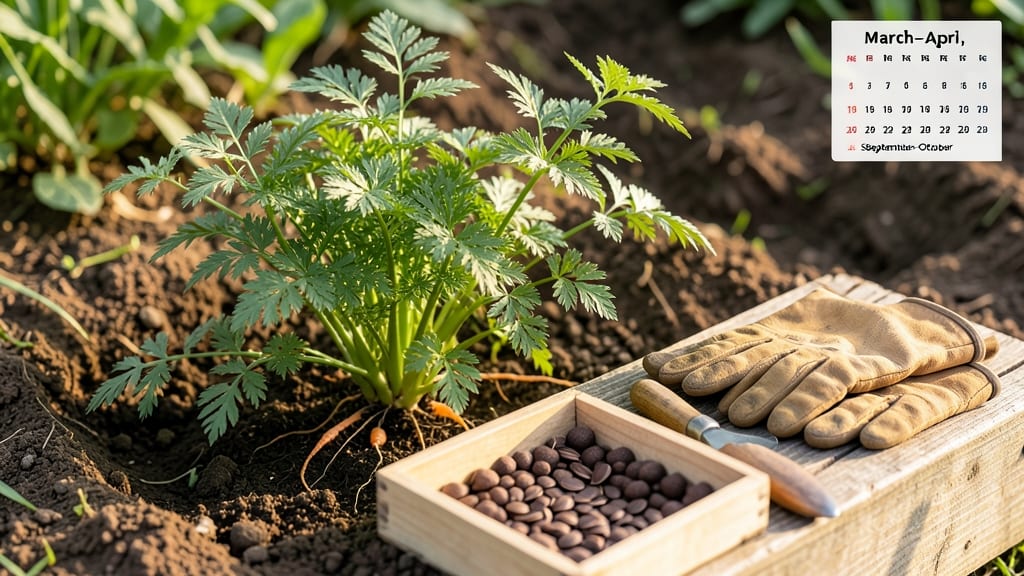
When to plant carrot seeds in Ohio will determine whether you end up with a thriving patch of sweet, crisp 🥕 or a disappointing garden fail. The right planting window depends on avoiding frost while giving roots enough time to mature before winter sets in.
Ohio’s 6a climate zone means you’ve got two ideal chances each year: spring and fall. Plant too early, and frost will nip those tender seedlings. Wait too long, and your carrots might bolt before they reach their full potential.
I’ll break down the exact months to aim for—plus how to adjust if you’re growing in containers or dealing with Ohio’s famously unpredictable weather.
You don’t need a green thumb to grow crisp, flavorful carrots—just the right timing. Whether you’re a first-time gardener or a seasoned pro, these Ohio-specific tips will help you avoid common mistakes and maximize your harvest. Let’s get those seeds in the ground at the perfect moment.
From soil prep to frost dates, I’ll walk you through everything you need to know to turn your garden into a carrot patch that rivals the best farmers' markets. Ready to dig in?
Ohio carrot planting calendar: best months to avoid frost damage
Ohio’s frost dates can shift yearly, but understanding your microclimate is key to growing crisp, sweet carrots. The average last frost in most of Ohio falls around April 15, while the first frost typically arrives by October 20.
However, northern regions like Toledo or Cleveland often experience frost 1-2 weeks earlier than southern areas like Columbus or Cincinnati. These windows create your planting opportunities—spring and fall.
For spring planting, start seeds indoors 4-6 weeks before your last frost date or sow directly outdoors 2-3 weeks after the last frost.
In Ohio, this means mid-March to late April for most gardeners. Fall planting should begin 8-10 weeks before your first frost, which translates to early September to mid-October. This timing ensures carrots mature before winter sets in and prevents frost damage to tender roots.
To check your local frost dates, use the Old Farmer’s Almanac or your local Cooperative Extension office. For example, Northern Ohio (USDA Zone 5b) may have 170 frost-free days, while Southern Ohio (Zone 6a) enjoys 180+ days.
These differences mean earlier starts in the south and later finishes in the north. Always adjust your planting schedule based on your specific location.
Why timing matters: Carrots are cool-season crops that thrive in 55-75°F soil temperatures. Planting too early exposes them to frost damage, while planting too late risks bolting (premature flowering) from summer heat. Ohio’s unpredictable spring weather can make this tricky—always have row covers ready for late frosts.
Pro Tip: Use succession planting every 2 weeks during your planting window to ensure a steady harvest. For example, if your last frost is April 15, plant a batch on April 1, April 15, and April 30. This staggered approach maximizes your harvest window from June through October.
Regional Adjustments:
- Northern Ohio (e.g., Cleveland, Akron): Wait until mid-April for outdoor planting due to later frosts.
- Southern Ohio (e.g., Cincinnati, Dayton): Start as early as late March for an extended growing season.
- Urban Areas (e.g., Columbus, Toledo): Microclimates near buildings or water may allow earlier planting—observe your garden’s frost patterns for 2-3 years.