
Plants
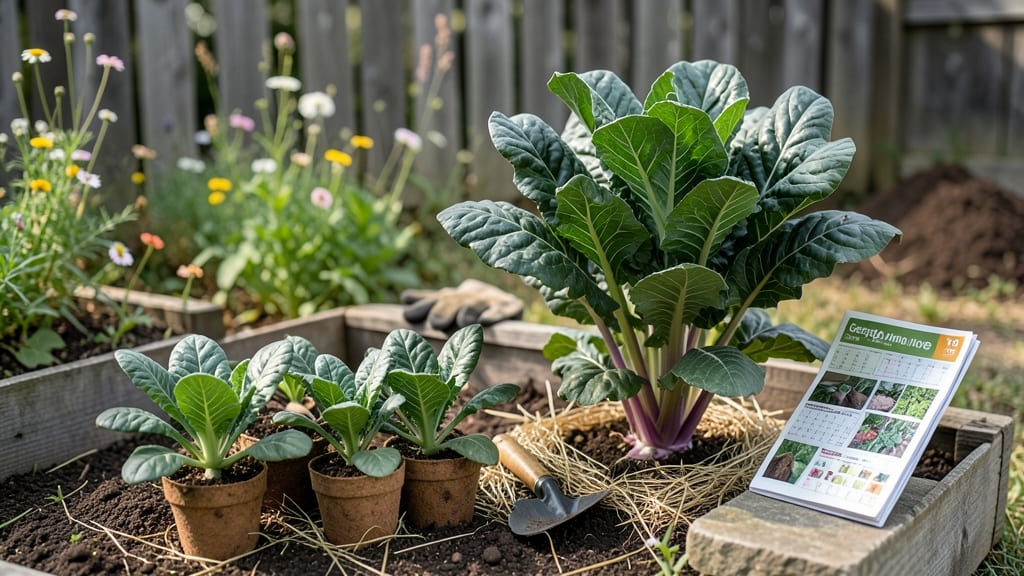
Planting collards in Georgia at the right time can mean the difference between a thriving 🥬 harvest and struggling plants. Since Georgia’s USDA zones 7b-8b offer two perfect windows—late winter/early spring and late summer/early fall—getting the timing right is key to avoiding frost damage or bolting.
If you’ve ever wondered why some gardeners in Atlanta get lush collards while others struggle, it likely comes down to planting too early in Zone 7A or too late in Zone 8B. The ideal window is February-March for spring and August-September for fall, aligning with Georgia’s frost-free periods.
In this guide, I’ll break down the exact frost dates by county, soil prep tips, and how to adjust for microclimates—whether you’re gardening in Savannah’s heat or the cooler mountain regions. Let’s get your collards off to the best start possible.
You’ll learn how to space plants correctly, protect seedlings from late frosts, and even troubleshoot common mistakes Georgia gardeners make. Ready to grow collards like a pro? Let’s dive in.
Georgia collard planting timeline by heat zone (frost dates & best months)
Georgia’s diverse USDA heat zones (from 5A in the mountains to 8B along the coast) create wildly different planting windows for collards. In Zone 7B Atlanta, you’ll plant earlier than in Zone 6B Dalton, where late frosts linger. Understanding these variations ensures your collards thrive year-round.
Collards are a cool-season crop that handles light frosts, making them perfect for Georgia’s spring and fall growing seasons. The key is planting 4-6 weeks before your last frost date for spring and 8-10 weeks before your first frost for fall. Let’s break it down by zone.
Summary-table for Georgia Collard Planting by Heat Zone:
In Zone 8A Savannah, you can plant collards as early as January 15 for spring, thanks to the mild winters. Meanwhile, Zone 5A Dahlonega gardeners should wait until April 1 to avoid late frosts that can damage tender seedlings. This variation highlights why local frost dates are critical.
For spring planting, aim to sow seeds 4-6 weeks before your last frost date. In Zone 7B Atlanta, that means starting seeds indoors by January 15 or direct-sowing by February 15. Use row covers if nighttime temps dip below 25°F to protect young plants.
Fall planting follows the same logic but works backward. In Zone 6B Dalton, plant by August 1 to ensure harvest before the November 10 first frost. In Zone 8B Waycross, you’ve got until May 30 for fall collards, thanks to the extended growing season.
Pro tip: Use succession planting every 2-3 weeks during your planting window to ensure a continuous harvest. For example, in Zone 7A Macon
How to adjust collard planting for Georgia’s microclimates (urban vs. rural)
Georgia’s diverse microclimates mean your collard planting strategy should change whether you’re in urban Atlanta or rural North Georgia. Urban areas like Zone 7B-8A face heat islands that delay spring planting, while cooler mountain regions like Zone 6B risk late frosts. Let’s tailor your approach to maximize your harvest.
Start by testing your soil’s pH level—collards thrive in 6.5–6.8. Urban soils often need compost amendments due to compaction, while rural areas may benefit from sulfur additions if pH runs high. Both environments need well-draining soil to prevent root rot during Georgia’s unpredictable rains.
⚠️ callout-warning
For urban gardeners, prioritize succession planting every 2 weeks from March to May. Container growers should use 5-gallon pots with moisture-retentive mixes (50% compost) and place them where they get 6+ hours of sun.
In Atlanta’s Zone 7B, your last frost typically hits mid-March, so start seeds indoors 4 weeks prior.
Rural gardeners in North Georgia (Zone 6B) face later frosts—sometimes until April 15. Protect seedlings with frost blankets or plant cold-hardy varieties like ‘Georgia Southern’ or ‘Top Bunch’. These areas can also benefit from fall planting in early August for a winter harvest before frost.
Both urban and rural gardeners should mulch heavily (3–4 inches of straw) to retain moisture and suppress weeds. In containers, add mulch on top of soil to prevent evaporation. Water deeply early in the morning to avoid fungal diseases, especially in humid Atlanta summers.
Remember: Collards grow fastest when soil temps hit 60–70°F. Use a soil thermometer to monitor—urban soils heat up faster than rural ones. Adjust your planting schedule based on real-time data, not just frost charts.
With these tweaks, you’ll enjoy tender collards from spring to fall, no matter where you garden in Georgia! 🌱